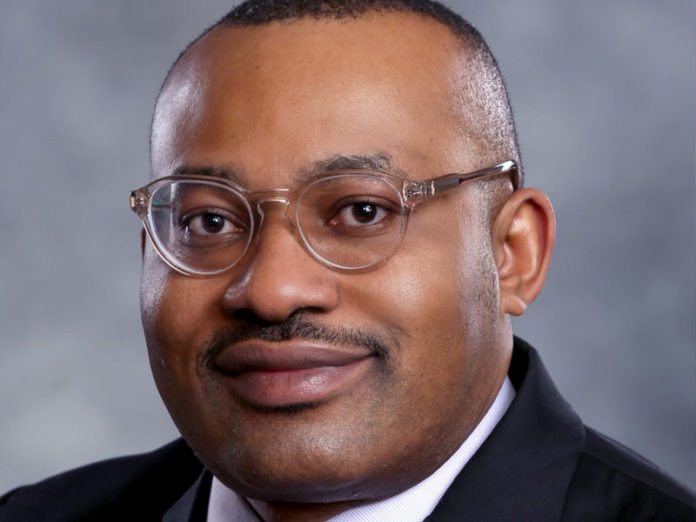
A political analyst at the , Professor Murtala Muhammad, has cautioned that growing doubts about the neutrality of the (INEC) could intensify political divisions and trigger a surge in pre- and post-election litigations ahead of the 2027 general elections.
Speaking in an exclusive interview with Hobnob News Nigeria, the professor highlighted recent developments, including INEC’s decision not to recognize certain national leaders of the (ADC), noting that the situation is already shaping public perception of the electoral body.
“This perception has reinforced broader claims that the Independent National Electoral Commission is facilitating a gradual shift toward a one-party dominant system ahead of the 2027 elections,” he said.
Nigeria’s political landscape has recently witnessed heightened tensions within opposition parties, particularly the ADC, where internal leadership disputes have led to factional divisions and uncertainty over party leadership. INEC’s involvement in recognizing party leadership has placed it at the center of the controversy.
Professor Muhammad observed that opposition figures are becoming increasingly vocal in their criticism of the commission, with some calling for the resignation of the INEC Chairman over alleged bias and perceived sympathy toward the ruling (APC).
“They argue that his continued leadership risks undermining the credibility and perceived neutrality of future electoral processes,” he noted.
He emphasized that regardless of whether such claims are substantiated, public perception remains critical.
“These narratives carry significant implications for voter confidence and the broader outcome of the 2027 elections,” he said. “While criticisms of the INEC Chairman’s past conduct may erode public trust by signaling possible bias, there are also those defending the institution, which adds complexity to the situation.”
According to him, Nigeria may witness a growing divide in public trust along political lines.
“The more likely outcome is a polarization of trust. Supporters of opposition parties will grow more skeptical, while those aligned with the ruling party may continue to have confidence in the system,” he explained.
He warned that such divisions could influence voter participation and acceptance of election outcomes.
“Such polarization may shape voter turnout, increase disputes before and after the elections, and affect how people accept the results. In this situation, what people believe about INEC may matter more than what the commission actually does,” he said.
Nigeria has a long history of election-related disputes, with outcomes from the 2019 and 2023 general elections contested in court. Professor Muhammad warned that the 2027 elections could face even greater challenges if current concerns are not addressed.
“As belief in bias grows, the 2027 elections could become more contested, more litigated, and possibly unstable,” he added.
On the internal crisis within the ADC, including the factional leadership controversy involving Nafiu Bala, the professor said growing suspicion is already affecting political trust.
“Even the suspicion that some actors within the opposition may be working with the ruling party feeds into this wider narrative. It strengthens the belief among some Nigerians that the political space is not balanced,” he said.
He added that divisions within opposition parties could weaken their electoral prospects.
“When opposition parties are divided and also doubtful of the electoral body, it becomes harder for them to build confidence among voters,” he explained.
Despite the concerns, Professor Muhammad maintained that trust in the electoral system can still be restored.
“What is needed now is transparency, fairness, and clear communication from INEC. Without that, perceptions of bias will continue to influence how people see the elections,” he said.
Meanwhile, a former governor of Abia State and chieftain of the APC, , has dismissed allegations of bias against INEC, insisting that there is no external interference in the commission’s activities.
“No external interference,” Kalu stated, clearing the air on claims surrounding INEC’s role in ongoing political disputes.
As Nigeria approaches the 2027 general elections, analysts say both INEC’s actions and public interpretation of those actions will play a decisive role in determining whether the polls are widely accepted or heavily contested.
About The Author