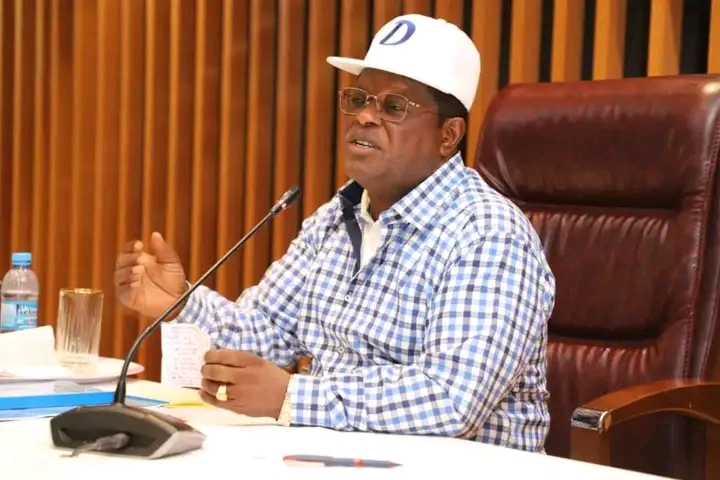
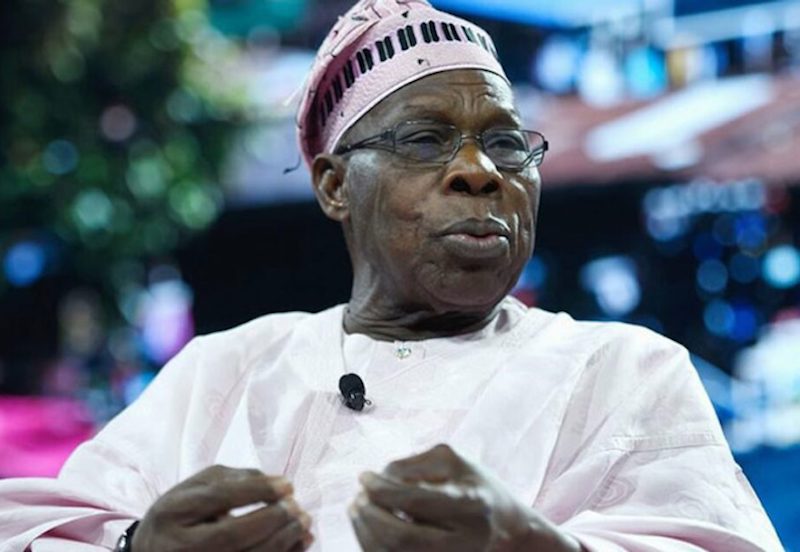
Former President Olusegun Obasanjo has delivered a blunt and deeply personal assessment of Nigeria’s current state, arguing that any government that fails to keep its citizens safe has no justification to remain in power.
Speaking on Soni Irabor Live, Obasanjo didn’t hold back. He pointed to poor leadership as the root of Nigeria’s growing insecurity, declining global relevance, and strained regional relationships. In his view, the country is no longer playing a meaningful role on the international stage.
He expressed frustration that kidnapping and violence are becoming normalised in everyday life, something he says Nigerians must never accept. Reflecting on earlier decades, he recalled a time when people could travel freely across the country without fear—something that now feels like a distant memory.
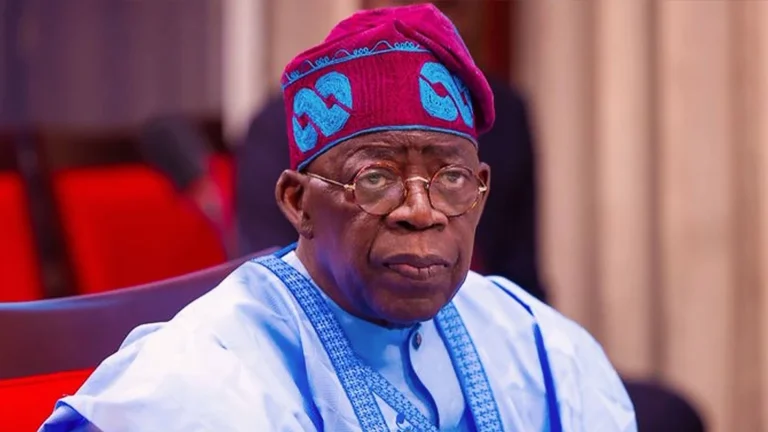
Obasanjo also criticised how the administration of Bola Tinubu handled the crisis in Niger Republic, particularly within the Economic Community of West African States. According to him, decisions like closing borders and cutting electricity damaged long-standing ties built over decades and weakened regional unity.
He linked today’s insecurity to a mix of historical and recent factors—from the spread of weapons after Nigeria’s civil war to the influx of fighters following the fall of Muammar Gaddafi. He also raised alarm over the millions of out-of-school children, warning they could become easy targets for recruitment into violent groups.
On governance, Obasanjo was equally dismissive. He described meetings of the National Council of State as largely pointless, saying their advice is often ignored. In the oil sector, he maintained that refineries run by the Nigerian National Petroleum Company Limited are unlikely to ever work efficiently, blaming corruption, mismanagement, and lack of proper structure.
He also cautioned against any move toward a one-party system, stressing that it would harm Nigeria’s democracy rather than strengthen it.
Despite his strong criticism, Obasanjo ended on a note of cautious hope. He believes Nigeria still has the potential to recover—but only if leadership improves and those in power are willing to make tough, meaningful changes.
About The Author