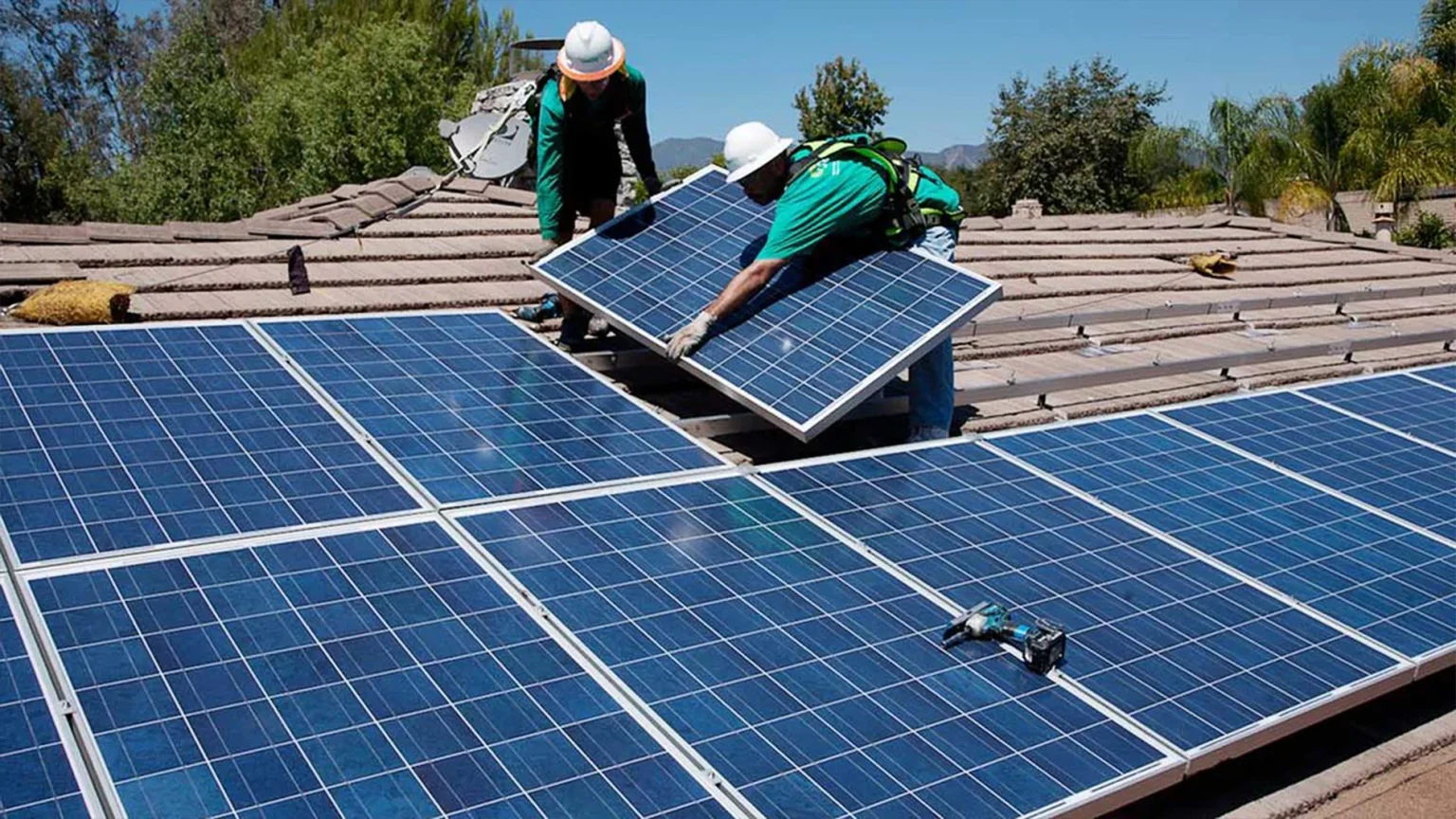
Energy experts and industry stakeholders are urging the Federal Government to rethink its plan to ban the importation of solar panels, warning that such a move could worsen energy poverty and push electricity further out of reach for millions of Nigerians.
Speaking at a renewable energy media training organised by the Global Initiative for Food Security and Ecosystem Preservation (GIFSEP) alongside the Secure Energy Project and Power Shift Africa, participants argued that an outright ban would do more harm than good—especially for households and small businesses that depend on solar as a primary power source.
While the government says solar imports have cost the country about ₦200 billion, experts insist the solution is not a sudden shutdown. Instead, they recommend a gradual transition over three to five years, allowing local manufacturing capacity to grow without disrupting access.
Joseph Ibrahim of the Secure Energy Project cautioned that rushing the policy could make solar energy unaffordable. According to him, solar power has become a lifeline in Nigeria, where electricity supply still hovers between 4,000 and 5,000 megawatts for a population of over 200 million.
“Solar is no longer optional—it’s essential,” he said, adding that building a local manufacturing base requires time, investment, and the right conditions.
Experts highlighted key areas needed to support local production, including stable policies, access to financing, improved infrastructure, and strict quality control to prevent substandard products from flooding the market.
Dr. Michael Terungwa David of GIFSEP also pointed out that while solar adoption is growing rapidly, concerns remain about poor installation practices and low-quality components, which could undermine trust in the sector.
He stressed that Nigeria’s energy crisis goes beyond households, affecting businesses, productivity, and even journalism, which relies heavily on consistent power supply.
Similarly, Lucky Abeng of GreenFaith Nigeria described the proposed ban as poorly timed, noting that millions of Nigerians still lack reliable access to electricity. He warned that adding more restrictions could stall progress in the renewable energy sector.
Backing these concerns with data, researcher Daniel Oladoja revealed that up to 89% of Nigerians oppose an immediate ban on solar imports, signaling strong public resistance to the policy.
Overall, stakeholders agree that while boosting local manufacturing is important, it must be done carefully. A rushed decision, they warn, could undermine access to clean energy and slow Nigeria’s path toward sustainable development.
About The Author