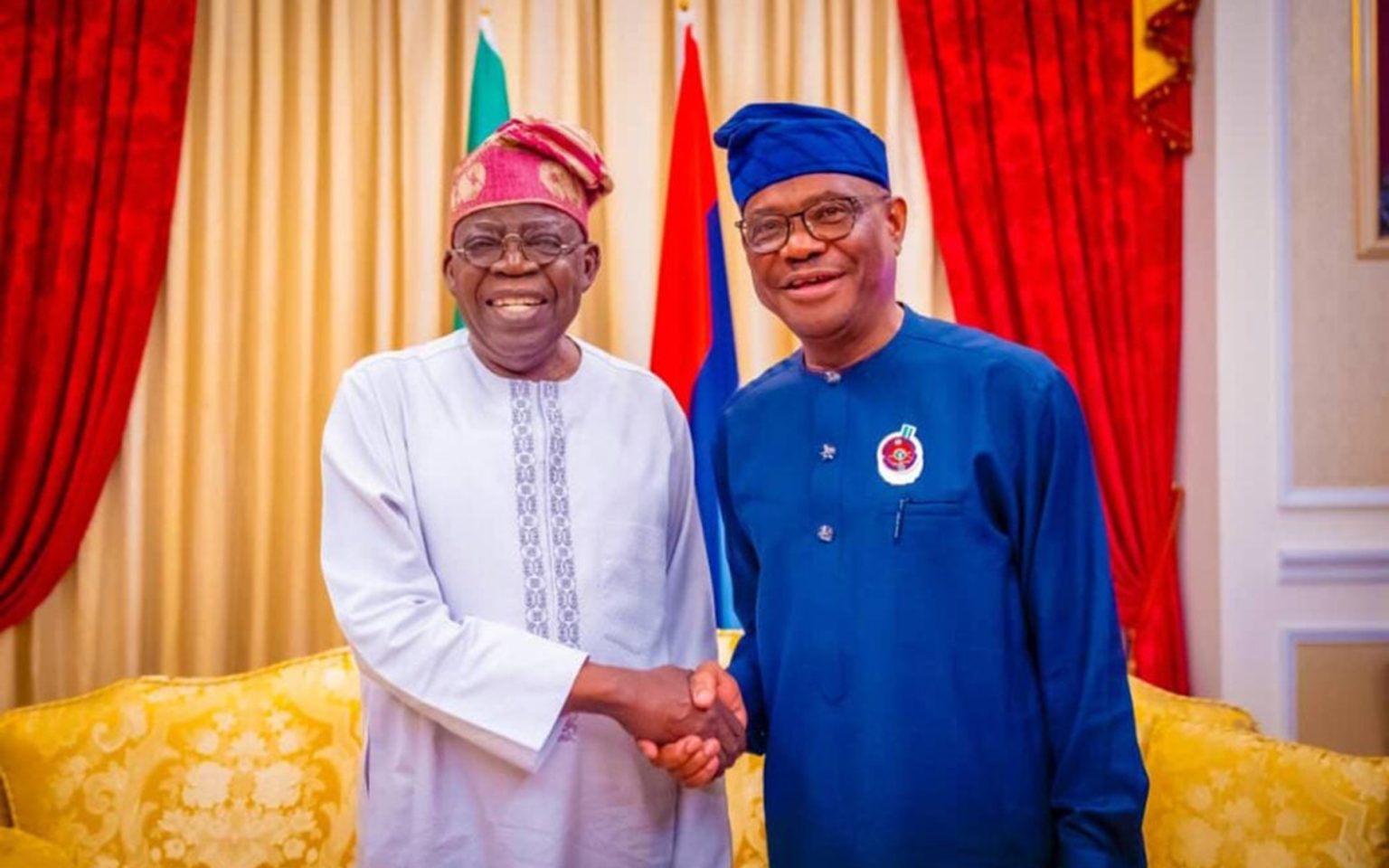
Abuja – Minister of the Federal Capital Territory (FCT), Nyesom Wike, has defended President Bola Tinubu’s economic reforms, arguing that the administration inherited deep-rooted economic challenges that require time and difficult policy decisions to resolve.
Speaking during his monthly media briefing in Abuja on Tuesday, Wike acknowledged that many Nigerians are experiencing economic hardship but maintained that the government’s reforms are aimed at rebuilding the country’s long-term economic stability rather than pursuing short-term political gains.
According to the former Rivers State governor, the removal of petrol subsidy remains one of the most significant decisions taken by the Tinubu administration, describing the policy as a necessary step that previous governments lacked the political will to implement.
Wike said the subsidy regime had placed enormous pressure on public finances, leaving many state governments struggling to meet basic obligations, including the payment of workers’ salaries.
He recalled that while serving as governor, states often faced severe financial constraints because a large portion of national revenue was committed to sustaining fuel subsidies.
“The subsidy system was no longer sustainable. It reduced resources available to governments and made it difficult for many states to function effectively. Its removal has increased funds available to states for infrastructure, salaries and pension obligations,” he said.
The minister stressed that no administration could reverse years of economic decline within a few years, urging Nigerians to remain patient as the reforms begin to yield results.
“You cannot expect an economy weakened over many years to recover overnight. These are structural problems that require time and consistent policies to address,” Wike stated.
Turning to the political landscape ahead of the 2027 general election, Wike dismissed the presidential ambitions of Labour Party’s Peter Obi and former Vice President Atiku Abubakar, insisting that leadership should be assessed by concrete achievements rather than public image.
He accused Obi of engaging in symbolic political activities designed to attract public sympathy, saying genuine leadership should be measured by governance records instead of carefully staged public appearances.
Wike remarked that during his own tenure as governor, he did not seek publicity through activities such as celebrating birthdays in internally displaced persons’ camps or orphanages.
The FCT minister also criticised Atiku Abubakar, suggesting that previous public assessments made by those who had worked closely with the former vice president should influence Nigerians’ judgment of his leadership credentials.
While admitting that the Tinubu administration has not resolved every national challenge, Wike argued that noticeable progress has been recorded since the President assumed office.
He said the government had demonstrated determination by implementing reforms many previous administrations avoided despite acknowledging their necessity.
Wike also questioned the quality of some political analysts featured in the media, arguing that television stations often provide platforms for individuals with little electoral relevance to comment on national issues.
According to him, some commentators who regularly analyse political developments were unable to secure meaningful support within their own political parties.
Reaffirming his support for President Tinubu, Wike described him as the country’s strongest leadership option ahead of the 2027 presidential election, expressing confidence that the administration should be given more time to consolidate its economic reforms.
His remarks come amid increasing political activity across the country as parties and prospective candidates begin positioning themselves for the next presidential election, while debates continue over the impact of the Federal Government’s economic policies on Nigerians.
About The Author