By Dr. Dennis Osahon Aikoriogie Edoimioya
As concerns over Ebola Virus Disease (EVD) continue to draw attention across Nigeria, Edo State must strengthen its preparedness and response mechanisms before an outbreak occurs. The state cannot afford to wait until the first suspected case is reported before taking decisive action.
While other states intensify public awareness campaigns, train healthcare workers, and establish emergency response protocols, Edo State must demonstrate the same urgency. Preparedness is not about creating panic; it is about protecting lives through planning, prevention, and early intervention.
The critical question is: How prepared are Edo State’s hospitals to identify, isolate, and safely manage suspected Ebola cases?
Are public and private hospitals across Benin City and the state’s 18 local government areas equipped with appropriate isolation facilities and essential protective equipment? Have doctors, nurses, and other frontline health workers received adequate training in infection prevention and control?
If a suspected Ebola case arrives at a hospital today, is there a clear response plan, a designated referral facility, and a reliable system for safe transportation and testing?
The Edo State Government, through its Ministry of Health, must urgently assess hospital readiness, strengthen disease surveillance, provide essential medical supplies, and ensure that healthcare workers are adequately protected. Particular attention should be given to rural communities, where early detection and prompt referral are essential.
Another important question is whether the state has conducted recent emergency simulation exercises to test its response systems. Preparedness plans must be practical, regularly tested, and supported by adequate funding.
Public awareness is equally important. Residents need accurate information about Ebola transmission, warning signs, prevention, and where to seek medical attention. The government should work with the Nigeria Centre for Disease Control and Prevention (NCDC), local government authorities, healthcare providers, and community leaders to strengthen public education and emergency coordination.
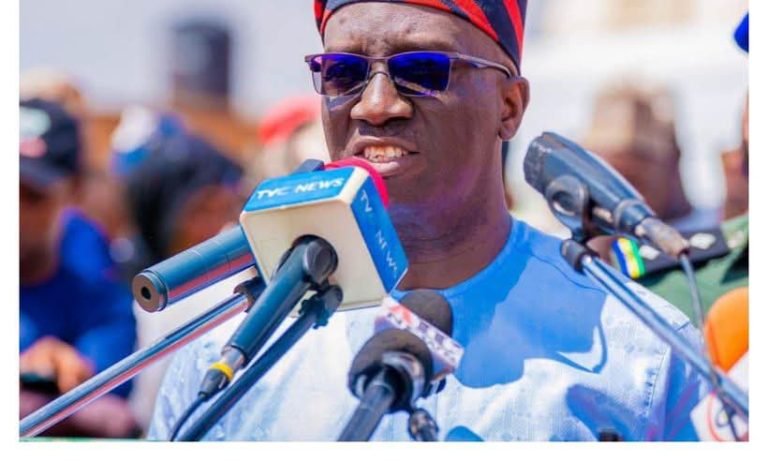
Governor Monday Okpebholo’s administration must demonstrate proactive leadership by providing clear information about the state’s preparedness, identifying existing gaps, and outlining concrete measures to address them.
What immediate steps will Edo State take to ensure its hospitals are ready before an outbreak occurs? What resources have been allocated, and how will the public know whether the state is prepared?
These questions deserve clear answers backed by evidence, not assumptions.
Edo State must not wait for an emergency before strengthening its healthcare system. The time to train health workers, equip hospitals, improve surveillance, and educate residents is now.
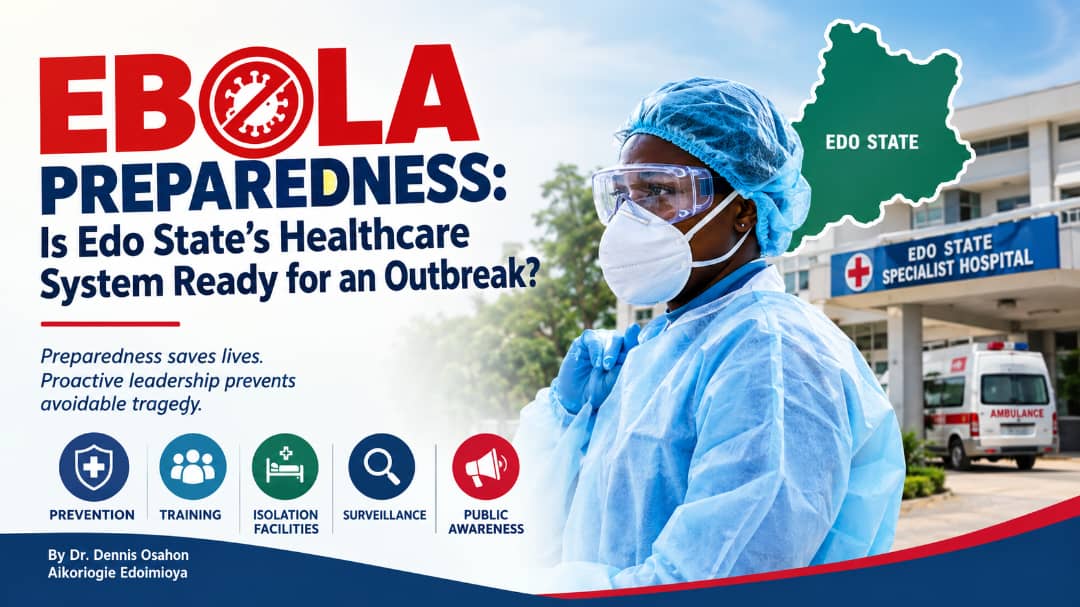
Preparedness saves lives. Proactive leadership prevents avoidable tragedy. Edo State must act before an outbreak strikes.
About The Author