
Nigerians have been urged to take precautionary measures against extreme heat and unusual rainfall patterns amid warnings about the potential effects of El Niño between September 2026 and February 2027.
According to a climate warning circulating on social media, Nigeria could experience dangerous heat waves during the period, potentially increasing heat-related illnesses and deaths if adequate preventive measures are not taken.
The warning highlights the importance of public awareness, particularly among vulnerable groups, including children, elderly people, pregnant women and individuals living with chronic health conditions.
Understanding El Niño
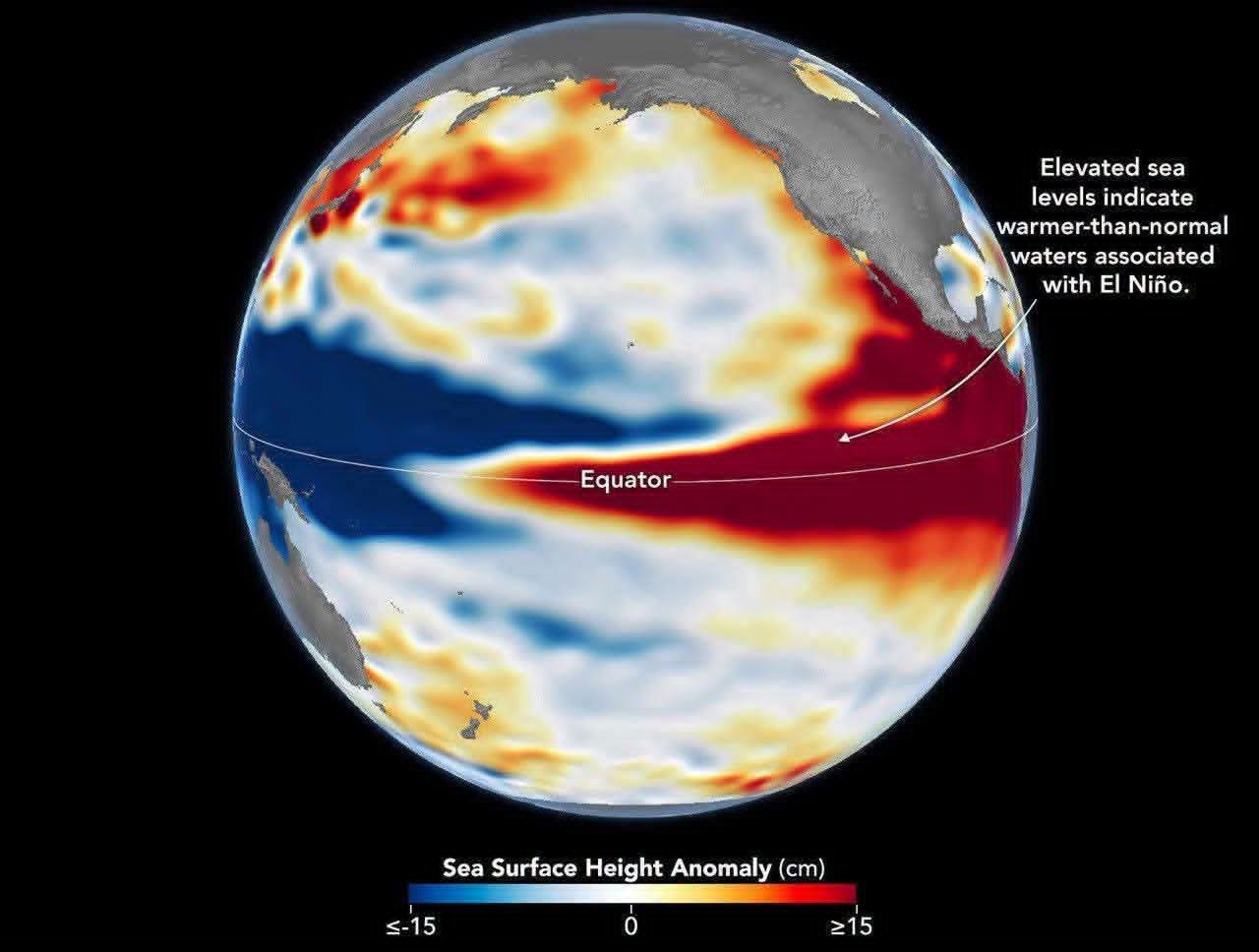
El Niño is a natural climate phenomenon associated with unusually warm sea surface temperatures in the central and eastern tropical Pacific Ocean. It can influence weather patterns in different parts of the world, contributing to changes in temperature, rainfall and the frequency of certain extreme weather events.
In simple terms, the Pacific Ocean can be compared to a giant pot of water. Under normal conditions, winds help regulate the movement of warm water across the ocean. During El Niño, changes in wind patterns allow warmer water to accumulate in parts of the Pacific, influencing atmospheric conditions and weather patterns far beyond the region.
Although the Pacific Ocean is thousands of kilometres away from Nigeria, El Niño can affect global climate systems. However, its specific effects on Nigeria depend on regional weather conditions and other climate factors.
The circulating warning claims that thousands of additional deaths could occur if Nigerians fail to take precautions. However, that projection should be independently verified, and the specific heat forecast should be confirmed by relevant meteorological and public health authorities.
12 Ways Nigerians Can Protect Themselves Against Extreme Heat
As temperatures rise, residents are encouraged to adopt the following safety measures:
1. Drink plenty of water
Drink water regularly throughout the day, even when you are not thirsty. Carry a water bottle when travelling or working outdoors to help prevent dehydration.
2. Stay in shaded or cool places
Reduce exposure to direct sunlight, particularly between 11 a.m. and 4 p.m., when temperatures may be particularly high. Rest indoors or under shade whenever possible.
3. Wear lightweight clothing
Choose loose-fitting, lightweight and breathable clothing, such as cotton fabrics, to help your body regulate its temperature.
4. Recognise early signs of heat exhaustion
Dizziness, weakness, heavy sweating, headaches and nausea may indicate heat exhaustion. Move to a cooler place, rest and drink water if the person is conscious and able to swallow safely. Seek medical attention if symptoms worsen or do not improve.
5. Check on vulnerable people
Regularly check on elderly relatives, babies, sick neighbours and people who may have difficulty accessing cool environments or drinking enough water.
6. Keep homes cool
Open windows when outdoor conditions are cooler, particularly at night, and cover windows during the day to reduce direct sunlight. Use fans where available, while remembering that fans may be insufficient during extreme heat.
7. Avoid strenuous outdoor activities during peak heat
Farmers, traders, construction workers and other outdoor workers should schedule demanding tasks for the early morning or evening where possible. Take frequent breaks, seek shade and wear protective hats.
8. Know the warning signs of heat stroke
Heat stroke is a life-threatening medical emergency. Warning signs may include confusion, fainting, seizures, collapse and an unusually high body temperature. The skin may be hot and dry, although sweating can still occur.
If heat stroke is suspected, call for emergency medical assistance immediately. Move the person to a cooler place and begin rapid cooling with cool water, wet cloths or other available cooling methods while waiting for help. Do not give fluids to someone who is confused or unconscious.
9. Prepare for electricity outages
During power cuts, keep drinking water available, use battery-free hand fans where possible, and identify the coolest room in the house. Use safe ventilation and avoid indoor charcoal, kerosene or generator use that could cause carbon monoxide poisoning.
10. Monitor existing health conditions
People living with high blood pressure, diabetes and heart disease should follow their treatment plans and seek medical advice about managing their conditions during periods of extreme heat. Anyone taking medication that affects hydration or temperature regulation should consult a healthcare professional.
11. Protect children and elderly people
Never leave babies, children or elderly people unattended in parked vehicles or dangerously hot rooms. Check on them frequently, ensure they have access to drinking water where appropriate, and help them remain cool.
12. Eat water-rich fruits and vegetables
Include water-rich foods such as watermelon, oranges, cucumber and pineapple in your diet. These foods can support hydration but should complement, rather than replace, adequate fluid intake.
El Niño Is a Natural Phenomenon, but Preparation Is Essential
El Niño is not a curse or an unusual supernatural occurrence. It is a naturally occurring climate pattern that can influence weather conditions across the world.
Although its precise effects on Nigeria during the September 2026 to February 2027 period require confirmation through reliable climate forecasts, preparing for extreme heat remains an important public health measure.
Government agencies, healthcare providers, community leaders and families all have roles to play in raising awareness, improving access to drinking water and protecting people who are most vulnerable to high temperatures.
By staying hydrated, avoiding strenuous activities during peak heat, keeping homes cool and recognising the warning signs of heat-related illnesses, Nigerians can reduce the risks associated with extreme temperatures.
Stay informed. Stay prepared. Stay safe.
Source of the original public awareness message: Priscilla Canice Obi.
About The Author