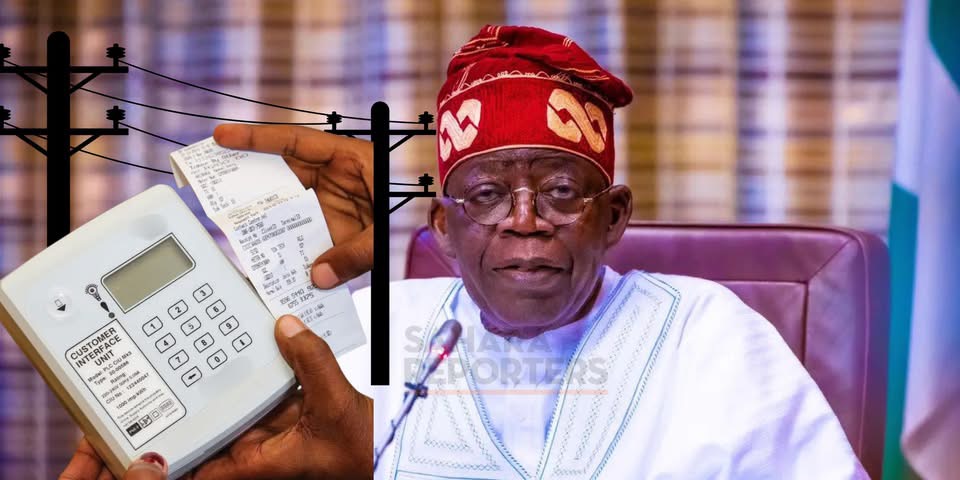
The Nigerian government has announced plans to increase electricity tariffs by about two-thirds to reflect the actual cost of supply. This decision was disclosed by President Bola Tinubu’s Special Adviser on Energy, Olu Verheijen, during an interview in Dar es Salaam, Tanzania.
Verheijen emphasized that the tariff hike is necessary to support essential maintenance, enhance reliability, and attract private investment in power generation and transmission. The increased revenue will also enable the sector to protect low-income households through subsidies.
Nigeria has presented a $32 billion plan to enhance electricity connections by 2030, with private investors expected to contribute $15.5 billion. The remainder will come from public sources, including the World Bank and African Development Bank.
According to Verheijen, the government aims to transition to a cost-efficient and cost-reflective tariff within the next few months. This move is part of Nigeria’s broader ambition to become a $1 trillion economy in five years and an upper-middle-income country in 25 years.
As the government moves forward with the tariff hike, it remains to be seen how the increased costs will impact Nigerian households and businesses.
About The Author