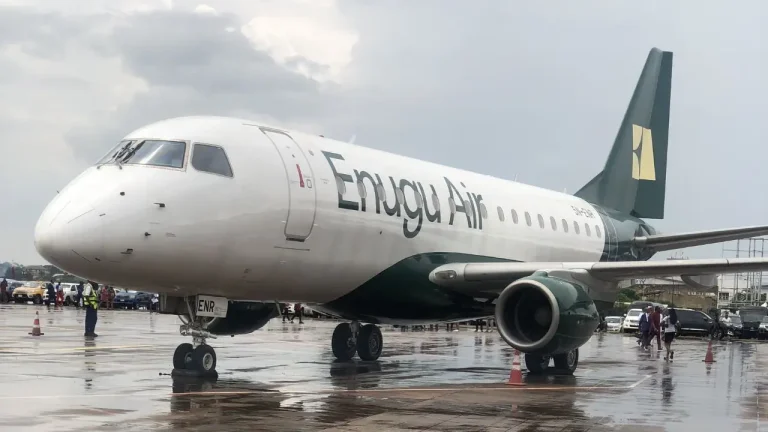

Domestic airlines in Nigeria are reportedly preparing to suspend operations from Thursday, April 30, 2026, over what they describe as crippling and unsustainable increases in aviation fuel prices, raising concerns about major travel disruptions across the country.
Industry sources say repeated engagements with government officials and fuel marketers have failed to produce a workable solution, leaving operators increasingly convinced that grounding flights may be the only option left.
The crisis follows a sharp surge in Jet A1 prices—reportedly more than 300 per cent higher than February levels—placing severe pressure on airline finances and pushing operating costs beyond manageable limits.
Efforts to resolve the dispute intensified last week when the Minister of Aviation and Aerospace Development, Festus Keyamo, held a two-day meeting with airline operators and fuel marketers in Abuja. However, the talks reportedly ended without agreement, despite the government’s announcement of a 30 per cent reduction in aviation-related taxes aimed at easing industry pressure.
While operators acknowledged the gesture, they insist it does not address the core issue of fuel pricing. The Airline Operators of Nigeria (AON), through its leadership, has maintained that fuel marketers must explain the steep and sudden price escalation, which they argue is not in line with global trends.
The group has also issued a seven-day ultimatum, warning that flight operations could be halted if urgent action is not taken. According to them, airlines are now largely working to cover fuel expenses, a situation they say is becoming unsustainable and potentially risky for safety.
Operators are also demanding broader reforms, including suspension of aviation taxes and charges for at least six months, introduction of a non-taxable fuel surcharge, and a review of industry fees through a dedicated reform committee.
Despite the tension, airline officials insist they remain compliant with payments to key aviation agencies such as the Federal Airports Authority of Nigeria and the Nigerian Airspace Management Agency.
As the deadline approaches, uncertainty continues to build across the aviation sector, with stakeholders warning that unless there is a breakthrough, domestic air travel in Nigeria could grind to a halt midweek.
About The Author