Nigeria on Thursday, January 1, 2026, officially began implementing its long-awaited tax reforms, a move that has continued to spark anxiety and debate across the country.
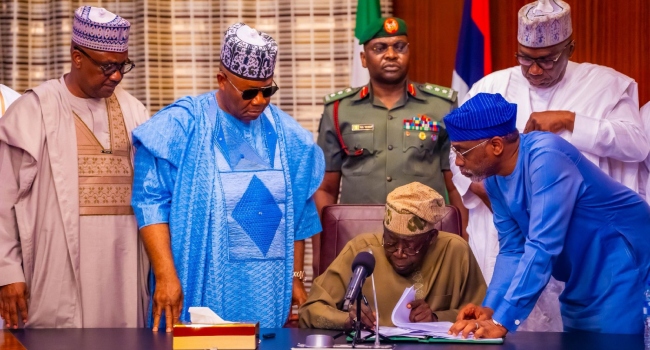
President Bola Ahmed Tinubu had earlier insisted that the new tax regime, signed into law in June 2025, would take effect as scheduled, despite mounting calls for a delay. Labour unions, opposition lawmakers, civil society actors and prominent Nigerians — including the Nigeria Labour Congress (NLC), the Minority Caucus of the House of Representatives, former Senate Leader Ali Ndume, human rights lawyer Femi Falana (SAN), Oby Ezekwesili and Bauchi State Governor Bala Mohammed — had urged the Federal Government to suspend the rollout for further review.
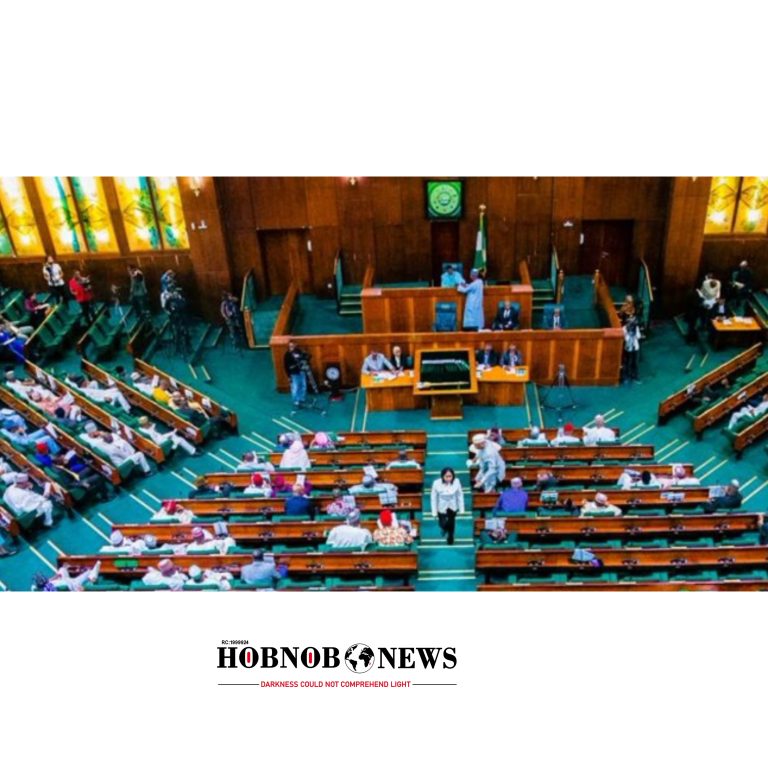
Tensions heightened after a lawmaker, Abdulsamman Dasuki, alleged discrepancies in the gazetted version of the law, prompting the National Assembly to order a re-gazetting to address public concerns.
Defending the reforms, President Tinubu maintained that the new tax laws would not place additional burdens on Nigerians, a stance echoed by Taiwo Oyedele, Chairman of the Presidential Fiscal Policy and Tax Reforms Committee, who said the changes were crucial to fixing Nigeria’s weak revenue system.
A final hurdle was cleared when a Federal Capital Territory High Court dismissed a suit seeking to stop the implementation of the laws.
Still, worries about how the reforms could affect incomes, prices and businesses have refused to fade.
Speaking with DAILY POST, economist and accountant, Prof. Godwin Oyedokun, urged Nigerians to avoid panic, saying the reforms require “calm understanding, not fear.”
According to him, the goal of the new tax laws is not to punish citizens but to improve revenue collection, block leakages and reduce Nigeria’s heavy dependence on oil.
“Nigeria’s tax-to-GDP ratio is one of the lowest in the world, which limits the government’s ability to fund infrastructure, healthcare, education and security without borrowing,” Oyedokun explained.
He noted that the reforms are focused on expanding the tax base rather than increasing rates, stressing that low-income earners are largely protected by existing exemptions and thresholds.
“The bigger burden is expected to fall on high-income earners, large corporations and sectors with poor compliance histories,” he said.
However, he warned that some indirect effects could occur, as businesses may pass compliance costs on to consumers, especially amid rising inflation.
For businesses, Oyedokun acknowledged that tighter reporting and enforcement could raise short-term costs but said the measures would promote fairness and eliminate advantages enjoyed by tax evaders.
“In the long run, a transparent and predictable tax system can support growth through better infrastructure and reduced policy uncertainty,” he added.
Oyedokun also stressed the need for accountability, warning that tax reforms will only succeed if citizens see clear improvements in public services.
“Taxes must translate into visible public value. Without transparency and service delivery, even the best tax laws will face resistance,” he said.
He concluded that while the reforms may cause temporary discomfort, widespread harm is not inevitable if they are implemented fairly and with sensitivity to Nigeria’s current economic realities.
About The Author