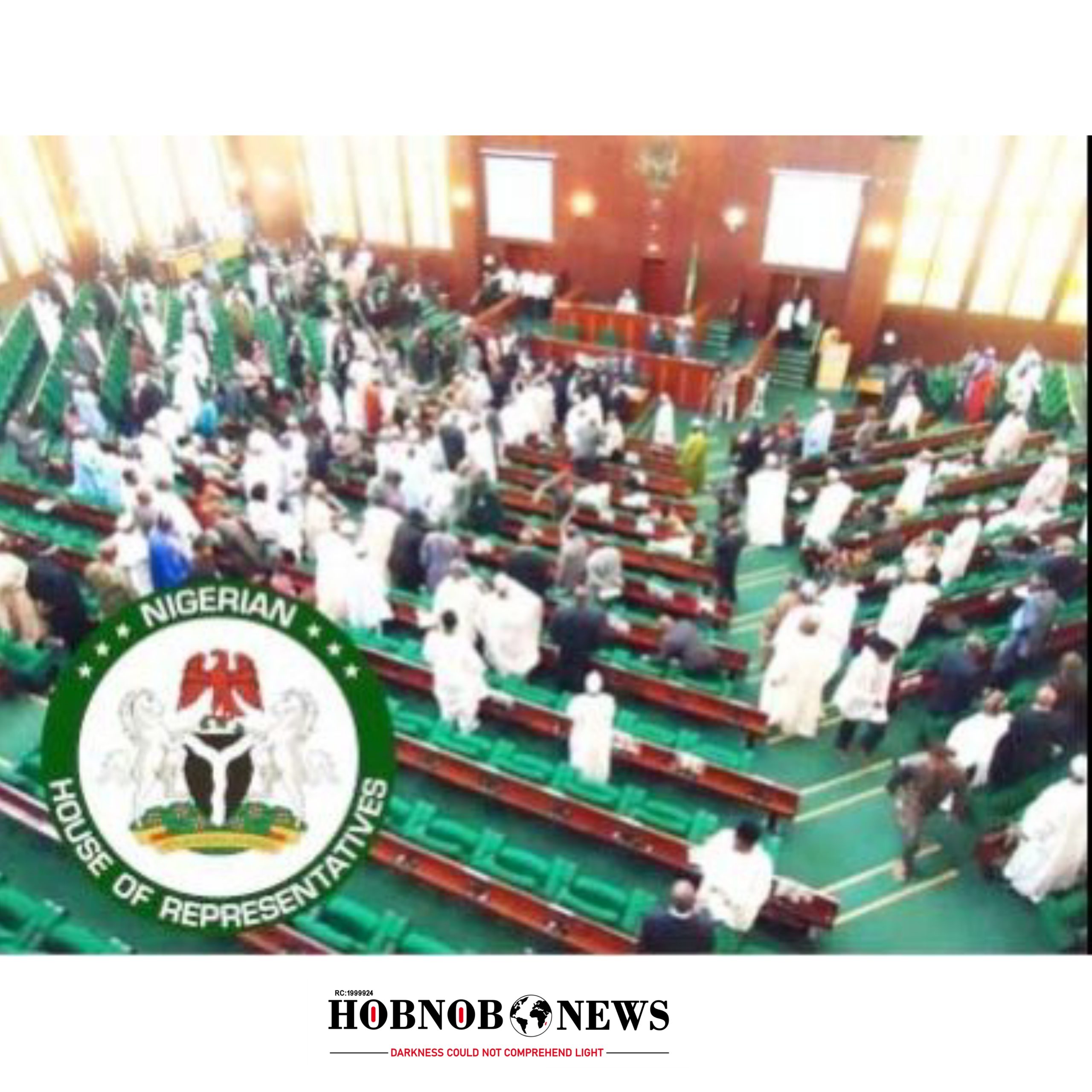
The National Assembly has announced plans to transmit the report of the ongoing review of the 1999 Constitution to all 36 state Houses of Assembly before December 2025, in line with the exercise’s official timetable.
Leader of the Senate and Chairman of the Senate Committee on the Review of the 1999 Constitution, Senator Opeyemi Bamidele, made the disclosure on Saturday at the close of a two-day zonal public hearing held at WaterCrest Hotel, Ikeja, Lagos. He explained that the public hearings have concluded and the committee would return to Abuja to finalise its report ahead of submission to the state legislatures.
Bamidele emphasised that the constitution amendment process is not a political “jamboree” but a serious national effort to implement reforms capable of delivering good governance, sustainable development, and improved institutional efficiency. He warned, however, that the National Assembly cannot unilaterally effect any constitutional amendments without the endorsement of two-thirds of the state assemblies.
To that end, he called on all stakeholders to actively lobby and engage their respective state assemblies to secure support for the proposed amendments.
“There is nothing the National Assembly can do without the required two-thirds approval by the state legislatures,” Bamidele said. “Stakeholders must work with their state lawmakers. These assemblies are not just receiving the report — they are an essential part of the review process.”
Key issues raised in the review process include devolution of powers, local government autonomy, creation of additional states, and the establishment of state police. These topics have consistently dominated public discourse since the Fourth Republic began in 1999.
Also speaking at the hearing, the Chairman of the Conference of Speakers of State Legislatures of Nigeria and Speaker of the Oyo State House of Assembly, Rt. Hon. Debo Ogundoyin, represented by Deputy Speaker Rt. Hon. Abiodun Fadeyi, called for greater devolution of powers to subnational governments. He urged that both federal and state governments be allowed to legislate on matters such as solid minerals, labour, telecommunications, stamp duties, and drug regulation.
Ogundoyin welcomed the earlier removal of electricity from the Exclusive Legislative List, citing its positive impact on state-led power initiatives, and expressed support for the establishment of state police.
“State policing promises better local security, increased accountability, and greater employment opportunities,” he said. “To be effective, the constitutional amendment must clearly define the powers and responsibilities of state police, provide oversight measures to prevent abuse, and establish coordination mechanisms between federal and state forces.”
Other key attendees at the public hearing included Deputy Minority Leader of the Senate, Senator Olarere Oyewunmi; Chairperson of the Senate Committee on Humanitarian Affairs and Poverty Reduction, Dr. Oluranti Adebule; Chairperson of the Senate Committee on Health, Senator Ipalibo Banigo; Chairman of the Senate Committee on Public Procurement, Senator Olajide Ipinsagba; and Chairman of the Senate Committee on Judiciary, Human Rights and Legal Matters, Senator Adeniyi Adegbomire.
The National Assembly pledged to process all proposals received during the review and assured the public that the transmission of the final report to state assemblies will take place as scheduled before the end of the year.
About The Author