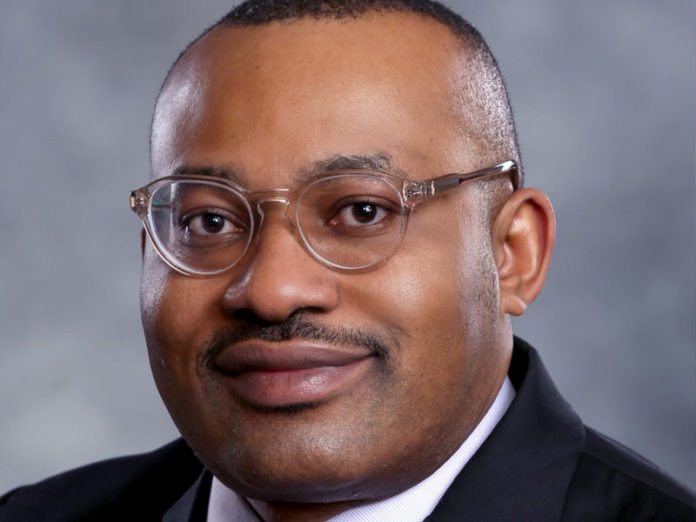
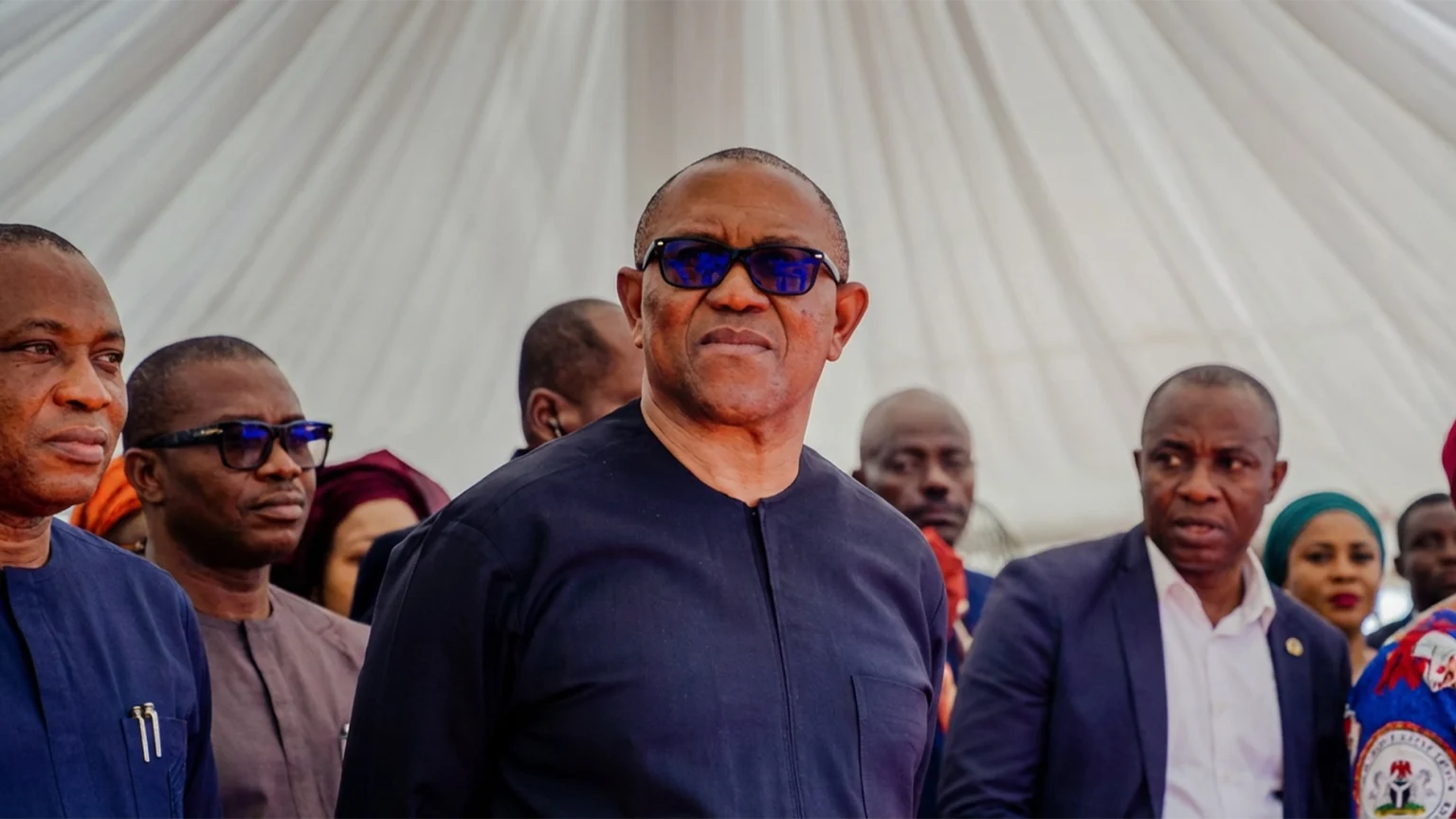
Peter Obi has criticised the federal government’s approval of ₦3.3 trillion to clear legacy debts in Nigeria’s power sector, describing it as a repeated intervention with little evidence of lasting results.
He noted that similar financial commitments had been made in recent years, including a ₦3.3 trillion package in May 2024 and a ₦4 trillion bond in July 2025, all aimed at settling debts owed to power generation companies and gas suppliers.
Obi urged a closer look at these interventions, questioning whether earlier approvals were fully implemented or merely announced without follow-through. According to him, the debts in question accumulated between 2015 and 2025 across multiple administrations.
He also referenced campaign promises by Bola Tinubu to improve electricity supply, arguing that current realities show little meaningful progress.
Raising concerns about transparency, Obi questioned how the debts were incurred, the actual total owed, and whether inefficiencies within the power sector contributed to the liabilities. He also asked whether the latest ₦3.3 trillion approval is distinct from previous ones or overlaps with earlier commitments.
Obi further warned that continued reliance on public funds to settle such debts—especially if financed through borrowing—could worsen Nigeria’s fiscal pressures. He added that government institutions themselves contribute to the debt burden despite receiving budgetary allocations.
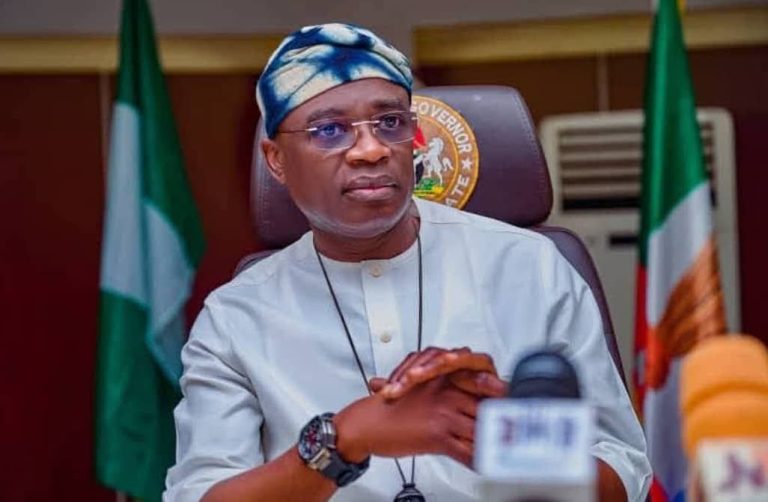
The criticism follows an announcement by the presidency that the ₦3.3 trillion plan, approved on April 6, 2026, is intended as a “full and final settlement” of debts accumulated between February 2015 and March 2025.
Officials say implementation has already begun, with 15 generation companies signing agreements worth ₦2.3 trillion, and ₦223 billion disbursed from ₦501 billion raised so far.
Nigeria’s power sector has continued to struggle since its partial privatisation in 2013, facing liquidity issues, infrastructure deficits, and unreliable electricity supply.
About The Author