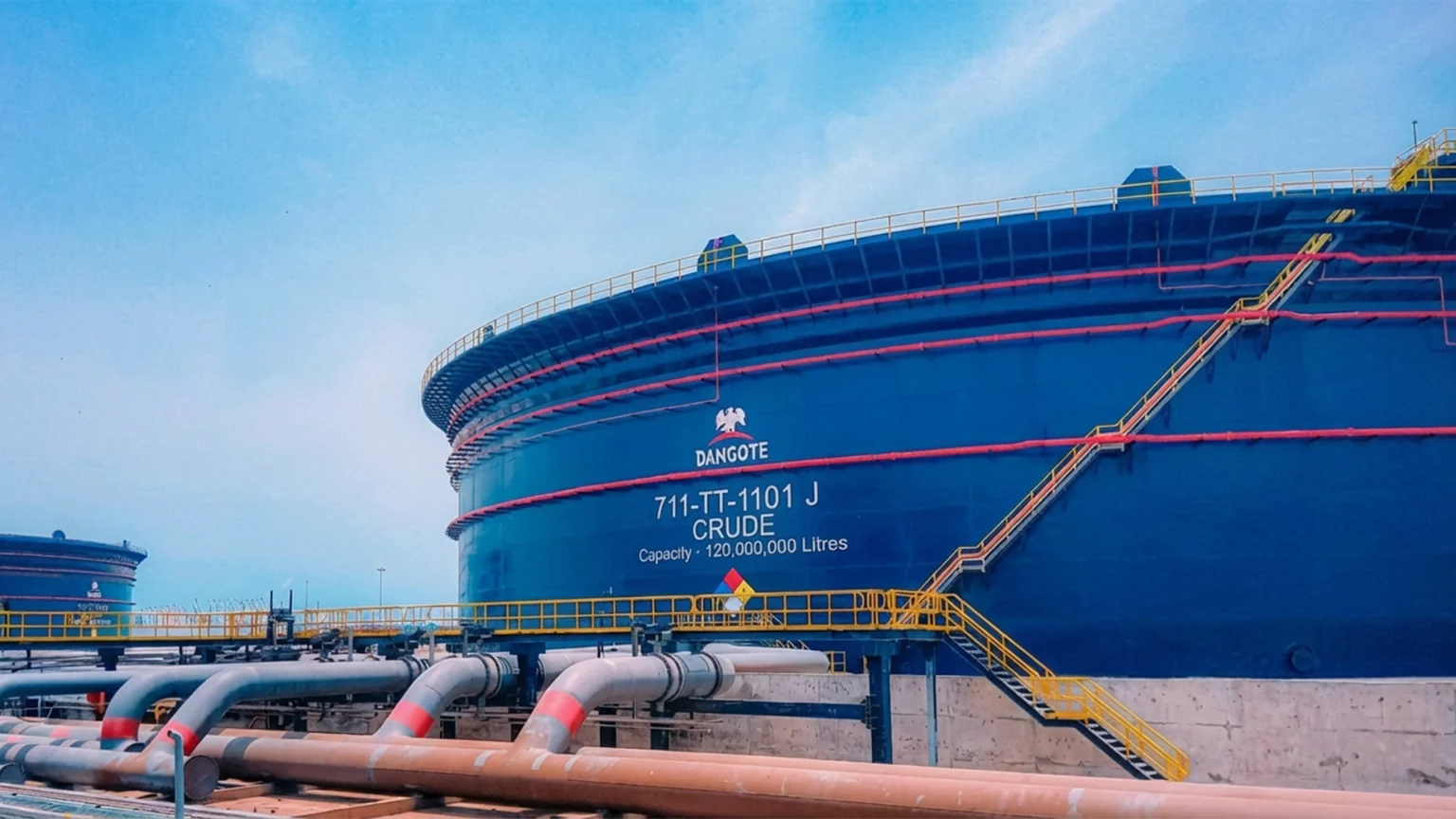
Nigeria’s push to increase crude oil production is facing a tough reality check, as a massive $6 billion funding gap threatens to slow progress and disrupt supply to the Dangote Refinery.
Although regulators and the Nigerian National Petroleum Company Limited (NNPC) are moving quickly to revive over 400 inactive oil wells, industry players say money—not approvals—is the real problem.
Right now, Nigeria is producing less oil than expected, with output dropping to about 1.3 million barrels per day in February. That decline is already hitting local refineries hard, especially Dangote Refinery, which has struggled to get enough crude to operate at full capacity.
Even though the Nigerian Upstream Petroleum Regulatory Commission (NUPRC) has cut down approval times from weeks to just hours, experts say that alone won’t fix things overnight.
NNPC boss Bayo Ojulari is optimistic, saying the company hopes to add 100,000 barrels per day soon. But many analysts are not convinced the impact will be immediate.
The core issue is simple: reviving these idle wells is expensive. Each one could cost up to $25 million, and even on average, about $15 million. Multiply that across hundreds of wells, and the bill quickly climbs to around $6 billion. On top of that, it could take anywhere from six months to two years before any real production starts.
Meanwhile, Nigeria is already feeling the cost of low output. In just two months, the country lost an estimated $1.6 billion due to reduced production.
For experts like Adeola Adenikinju, faster approvals are a good step—but they don’t solve the bigger issue.
According to him, oil production is capital-intensive, and without proper funding, nothing much will change in the short term. Companies still need time to raise money, secure equipment, and organise operations.
There’s also another concern—whether local refineries will even get enough crude when production improves. Adenikinju warns that without strong contracts in place, oil producers may prefer selling on the international market, where prices are often higher.
Energy expert Henry Adigun agrees, saying expectations of quick results are unrealistic.
“You can’t just approve a project today and expect oil tomorrow,” he suggests, pointing out that the process involves financing, logistics, and technical work that all take time.
Adding to the concern, Olufemi Idowu of Kreston Pedabo highlights ongoing issues like oil theft, weak infrastructure, and underinvestment, which continue to drag the sector down.
In the end, while Nigeria is trying to take advantage of high global oil prices, experts say real progress will depend on fixing deeper problems—especially funding, infrastructure, and enforcing policies that ensure local refineries actually get the crude they need.
About The Author