The European Union has approved **€2.3 million in emergency humanitarian assistance** to help Nigeria, Cameroon, the Central African Republic (CAR) and Chad contain the worsening cholera outbreak across West and Central Africa.
Nigeria will receive the largest portion, **€1.5 million**, which will be used to strengthen outbreak response, expand disease surveillance and provide essential medical supplies, as well as water, sanitation and hygiene services in affected communities.
The funding was announced in a statement issued on Monday by Modestus Chukwulaka, Press and Information Officer of the EU Delegation to Nigeria and ECOWAS.
The intervention comes as cholera cases continue to rise across the region. According to the World Health Organisation (WHO), **61,888 cases and 1,230 deaths** were reported in 16 African countries between January 1 and May 31, 2026.
Nigeria accounted for **6,860 cases and 80 deaths** during the period. WHO reported that May alone recorded 5,798 new cases and 54 deaths, indicating a sharp increase compared with the previous month.
**Borno State** emerged as the major contributor to Nigeria’s outbreak by the end of May, with 5,267 cumulative cases and 49 deaths recorded across 10 local government areas. Maiduguri and Jere were identified as the worst-hit areas.
The EU said its Nigerian intervention would support the deployment of additional response teams and the distribution of cholera kits and other critical supplies.
Funds will also be used to treat public water points and household water sources, strengthen water, sanitation and hygiene services, and improve epidemiological surveillance, particularly in hard-to-reach communities.
The programme will further support case management, risk communication and community sensitisation to limit the spread of the disease.
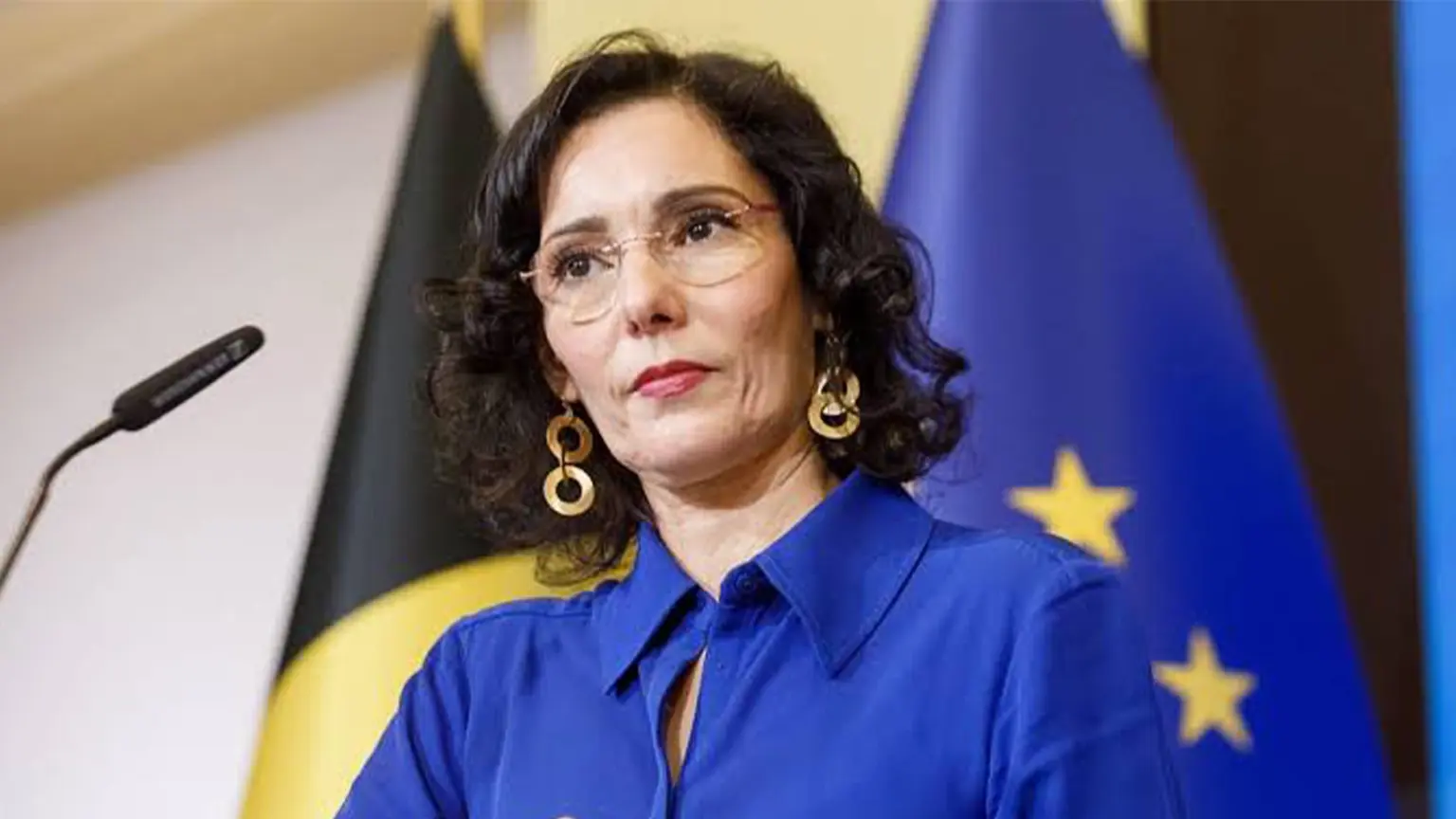
EU Commissioner for Preparedness and Crisis Management, Hadja Lahbib, said the assistance would enable humanitarian organisations to respond rapidly and protect vulnerable populations.
> “Cholera is preventable and treatable. Yet it still threatens lives when people lack something as basic as safe water and healthcare,” Lahbib said.
She added that the intervention was coming at a critical period when humanitarian needs were increasing while available resources were declining.
> “At a time when humanitarian needs are growing and resources are shrinking, Europe is not looking away. This emergency funding will help our partners act quickly, contain the outbreaks and protect the communities most at risk,” she said.
In **Cameroon**, €100,000 will support outbreak containment and treatment, including the deployment of additional humanitarian personnel, the supply of essential medicines and the establishment of additional cholera treatment units and oral rehydration points.
The **Central African Republic** will receive €500,000 to strengthen case management and vaccination efforts, alongside water, sanitation and hygiene interventions. The funding will also support surveillance, case detection, community engagement, risk communication and safe burials.
**Chad** will receive €200,000 to improve access to clean water, sanitation and hygiene facilities while supporting community-based surveillance and case management aimed at breaking the chain of transmission.
WHO data underline the severity of the regional crisis. African countries recorded **14,230 new cholera cases and 201 deaths in May alone**, with Nigeria reporting the highest number of new infections during the month.
WHO has warned that the reported figures could underestimate the actual scale of the outbreak due to underreporting and delays in disease surveillance.
Cholera is caused by the *Vibrio cholerae* bacterium and is primarily transmitted through contaminated food or water. Severe cases can lead to rapid dehydration and death without timely treatment.
The EU intervention therefore places strong emphasis on prevention, including access to safe drinking water, improved sanitation and hygiene, early detection, treatment and public awareness.
The new funding comes in addition to other international support for Nigeria’s cholera response. In June, WHO’s Contingency Fund for Emergencies provided **$200,000** to support outbreak coordination, surveillance, laboratory confirmation, treatment centres, emergency medical supplies and community engagement.
About The Author