
Nigerian troops engaged in counter-insurgency operations in the North-East have reportedly expressed concerns over an alleged directive requiring them to work alongside former Boko Haram members who recently completed Borno State’s deradicalisation and reintegration programme.
According to military sources who spoke anonymously, the development has generated apprehension among personnel, with fears that involving rehabilitated ex-insurgents in security-related activities could increase the risk of intelligence leaks and operational compromise.
The sources claimed that some former fighters who surrendered and underwent rehabilitation have been attached to local security groups that assist military operations in parts of Borno State. They alleged that the arrangement is aimed at demonstrating the effectiveness of the state’s reintegration initiative, which has faced criticism from victims of insurgency and some security stakeholders.
Several soldiers reportedly questioned the reliability of the former insurgents despite their participation in rehabilitation programmes. One source said troops remain wary because of past incidents in which sensitive information allegedly leaked, affecting military operations.
Another source stated that some rehabilitated ex-fighters are housed separately within military facilities due to lingering concerns over possible links with active terrorist networks. According to the source, many troops are uncomfortable with increasing collaboration during field operations.
The soldiers argued that greater emphasis should be placed on improving military equipment, intelligence gathering and welfare for personnel rather than integrating former insurgents into operational activities.
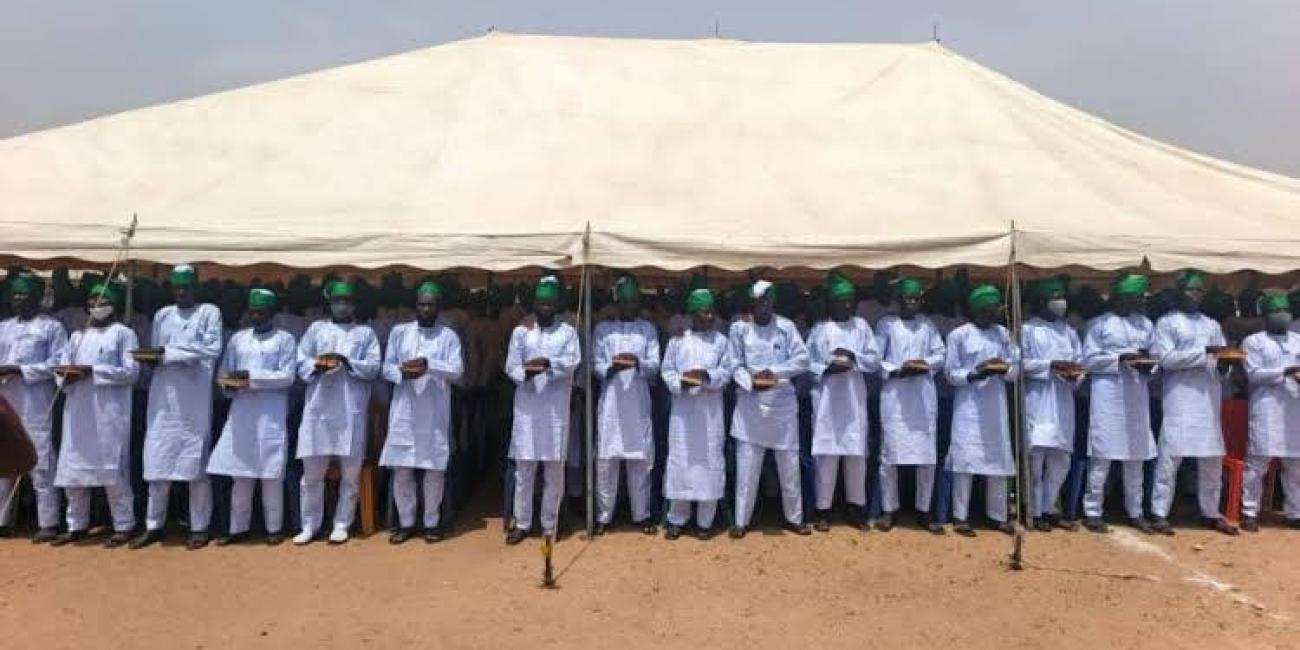
The reported concerns come shortly after Borno State reintegrated 720 rehabilitated former insurgents, along with 992 spouses and 2,050 children, under its “Borno Model” deradicalisation programme. The beneficiaries had surrendered to security forces and completed rehabilitation at the Hajj Camp in Maiduguri before returning to their communities.
Speaking during the reintegration exercise, Borno State Governor Babagana Zulum’s Special Adviser on Security, Abdullahi Ishaq, described the initiative as a key aspect of the state’s non-military approach to tackling insurgency. He said the programme focuses on rehabilitation, forgiveness and community acceptance of former fighters who renounce violence.
According to Ishaq, more than 350,000 individuals have reportedly surrendered since the programme began in 2021, while 9,680 people have been reintegrated through multiple phases. Participants are said to undergo counselling, vocational training, religious and behavioural reorientation, and skills acquisition before rejoining society.
Despite these efforts, the programme continues to attract debate, with critics questioning whether sufficient safeguards exist to prevent former insurgents from returning to extremist activities.
As of the time of the report, the Nigerian Army had not officially responded to the allegations. Attempts to obtain comments from the Director of Army Public Relations, Colonel Appolonia Anele, were reportedly unsuccessful.
About The Author