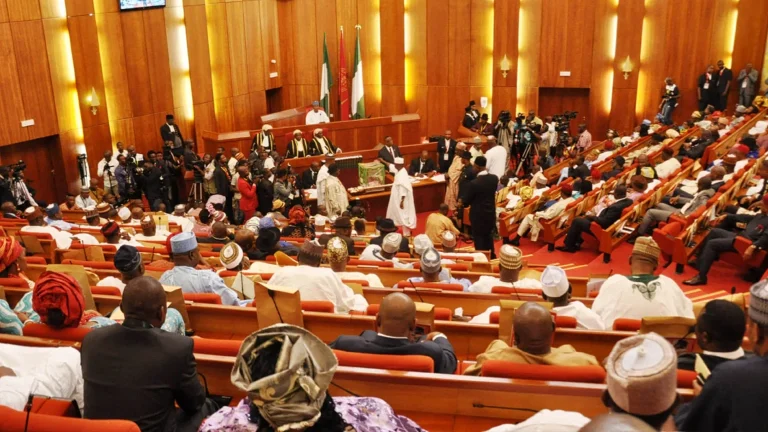
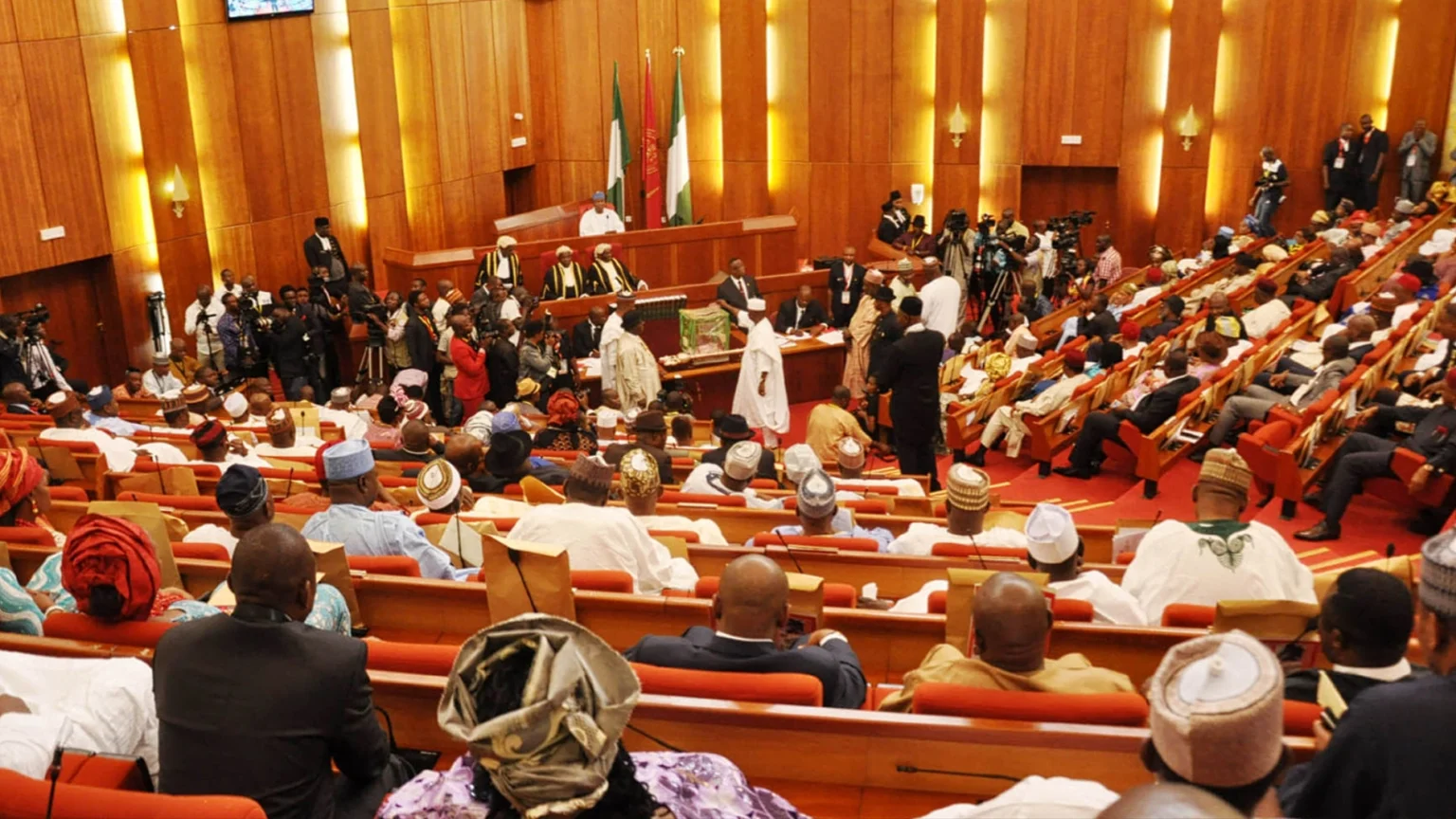
More than two years after lawmakers returned to the renovated National Assembly chambers, electronic voting equipment and microphones continue to malfunction despite the reported N37 billion spent on the refurbishment, raising concerns over the quality and value of the project.
The Senate and House of Representatives vacated their chambers between April 2022 and April 2024 to allow renovation work at the National Assembly complex. The project, approved in 2019 by former President Muhammadu Buhari, attracted criticism over its cost before being completed in phases.
Despite the extensive upgrade, lawmakers have repeatedly encountered technical issues during plenary sessions.
The most notable problem has been the failure of the electronic voting system, forcing both chambers to rely on manual voting while considering key constitutional amendment bills.
On June 11, Speaker of the House of Representatives Tajudeen Abbas told lawmakers that the electronic voting system had failed during deliberations on the state police bill.
“The electronic voting system is right now not working, so we are going to do a head count,” Abbas said before members proceeded with a manual vote.
The Senate also abandoned electronic voting on June 24 after its voting device reportedly malfunctioned while debating the same constitutional amendment.
Technical problems have extended beyond the voting system, with faulty microphones repeatedly disrupting proceedings.
During debate on the state police proposal, Deputy Speaker Benjamin Kalu was seen trying to fix a malfunctioning microphone before deliberations resumed.
Several lawmakers have also had to leave their assigned seats to use colleagues’ microphones during debates.
Journalists covering proceedings from the public gallery have equally complained about poor audio quality, saying many contributions are difficult to hear.
Concerns about the renovated chambers surfaced shortly after lawmakers resumed sitting in 2024.
In May that year, Senator Ali Ndume criticised the facilities, describing the Senate chamber as more of a conference room than a modern legislative chamber.
“There is no voting device here. If we are to vote electronically, the facilities are not there, but we had that previously,” Ndume said.
Responding, Senate President Godswill Akpabio noted that the renovation contract had been awarded during the previous National Assembly under the leadership of former Senate President Ahmad Lawan.
The persistent failure of the electronic voting system has also reignited debate over parliamentary voting procedures, particularly for constitutional amendment bills that require the support of at least two-thirds of lawmakers.
About The Author