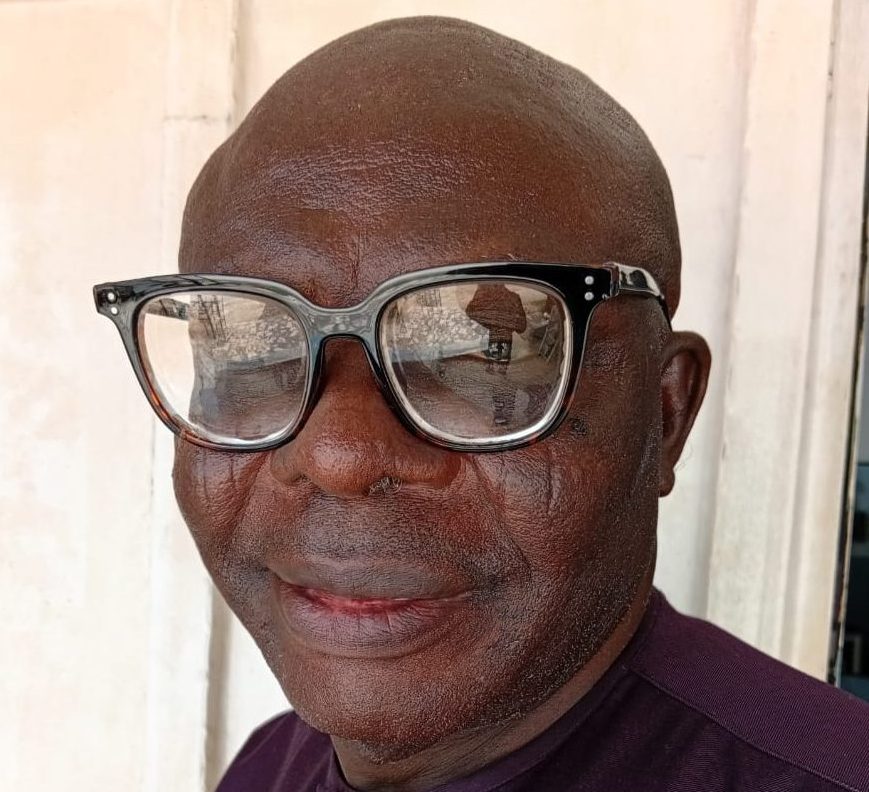
Written by Prince Tubo Johnson Aghogho.
Definitely, the political ecosystem has typically (and dramatically too), not shown signs of slowing down , as the 2027 election cycle draws closer with politicians bracing up for another flurry political activities and businesses before the January and February dates.
The just concluded Osun State governorship election may serve as a parameter to measure the preparedness of the electoral umpire – INEC, and the behaviours of not only politicians who went to the field, but also the citizens who are the electorates.
But one thing is certain, and that is the fact that citizens of Osun State, stood up in support of the Governor, Senator Ademola Adeleke who is the incumbent and their choice, whom they believe has done marvellously well to deserve a 2nd term.
Secondly, it is also instructive to know that against all odds, the elections went smoothly despite the large number of security personnel and the presence of between 10 to 15 APC state Governors and their bands of entourage who it was alleged were in the State to influence proceedings of the election. However, they all left in shame, as things didn’t turnout in their favour.
Which is a pointer to the fact that when political leaders and public office holders could “walk the talk” in leadership, and not merely assume that there would be “all is fair in politics” declaration in our politics to make a “do-or-die” affairs.
It would be recalled that hitherto, we have had the experience of “All is fair in War”, the “Do-or-die affairs” and “All is fair in Politics” phenomena as political phrases in the country, when Chief Obafemi Awolowo stated during civil war era on June 26, 1969, at the time when he was the Commissioner for Finance and Vice Chairman of the Federal Executive Council during the military government of General Yakubu Gowon wherein he stated and I quote, “All is fair in war, and starvation is one of the weapons of war. I don’t see why we should feed our enemies fat, only to fight us harder”, end of quote; also Chief Olusegun Obasanjo said it at the time when he was the civilian President on February 10, 2007 in Abeokuta ahead of the April elections, when he stated that the election was like a “matter of life and death”, and that, it was like a “do-or-die affairs”, in the sense that, the ruling party then (the PDP) must fight hard legally and politically to prevent undesirable elements from taking over governance”, as he explained, end of quote, which drew criticism and condemnation from leaders, civil society groups and elder statesmen at the time. And just recently, it was reverberated by President Bola Tinubu at a time when he was addressing and commenting on the 2027 elections, and opposition in different occasions in March and May 2026, that, “All is fair in Politics”, which also drew criticism and condemnation from the public.
Ironically, it became the reality as it was manifested in Osun State as there were reported cases of voter intimidation and killing prior and during the election.
However, the tragedy of “not walking the talk and all is fair in politics” narrative has over the years become the symptoms of democratic lapse in Nigeria, as politicians in the country have chosen to perpetually be on the low side, rather than on the high.
The Tragedy of the Narratives – Not walking the talk and all is fair in politics:
The failure to walk the talk in Nigeria’s political ecosystem has resulted in damaging gap between a leader’s grand public promises and their failure to enact those promises through real honest action. This is more so, they always use inspiring words during campaigns to promise change, honesty, economic growth or an end of corruption by public office holders.
On the other hand, the declaration of all is fair in politics, has once again resonated a battlefield component of political power as a struggle, wherein politicians assume that traditional rules of morality, ethics and fairness do not apply during political struggle, as they treat governance like a battle, where actions – no matter how deceptive or ruthless they are, only acceptable if it help them to win elections or keep power, by not minding the tragic impact it may inflict on the society as if without conscience. Which is why politicians apply it as a “do-or-die” affairs and “by all means” to keep political power.
Furthermore, the narratives have introduced in the Nigeria’s political ecosystem where political leaders failed to keep political promises. They treat politics as a game where “anything goes”. They have eroded public trust and high level and widespread corruption in politics, which lead to stalling national growth and development.
Meanwhile, as we – Nigerians, approach another election cycle in 2027, we should expect plenty of these symptoms in the days ahead.
Loss of Public Trust resulting from not walking the talk and all is fair in Politics.
Broken Promises: The Nigerian Citizens have stopped believing politicians in their fabricated manifestos, and as they rarely fulfill campaign promises and pledges after winning elections.
Voter Apathy: People feel their votes do not count, leading to low turnouts during elections.
Rampant Corruption and Impunity: Self-interest, as leaders prioritise personal wealth or party loyalty over the needs of the ordinary citizens.
Lack of Accountability and Transparency: Political violence and insecurity and the “do-or-die” affairs as entails in all is fair in politics, which has become a reflection where politicians use thugs, intimidation and vote-buying to win by all and any means necessary.
Unstable Environment: Electoral violence has become tool to harm communities and discourage peaceful civil participation.
Deepening Economic Hardship: This entails poor infrastructure as basic public services like reliable electricity power supply, clean water and safe roads remain undeveloped.
In the same vein, poverty and unemployment has exacerbated, as wealth stays concentrated among the rich (few elites), while millions struggle with high cost of living.
As it stands, there also a double tragedy of brain drain – “the Japa” syndrome, as Nigerians loss hope due to bad governance and leadership drive skilled professionals – doctors, engineers, and youths to leave the country for better and greener pastures (opportunities) abroad, which result to stunted growth and loss of bright minds to build a stronger future.
The Consequences – Implications:
When leaders apply the narrative of not walking the talk and all is fair in politics as a ruling ethnic in politics, as being practiced in Nigeria, among others, it would result in the following:
Social Unrest: Frustrated citizens often take to the streets in protest when they realise that reforms or become empty words and promises by politicians who no longer walk the talk and engage in a all is fair in politics.
Furthermore, as political leaders deviate from the promises of good governance by not practicing what they promise, and begins to engage in all is fair in politics slogan, it brings legitimacy question to the democratic institutions, as they would lose their authority, because they would be viewed by the public as corrupt or broken system, as it is now the case in Nigeria where NASS, judiciary and INEC have become suspects. No doubt, this attitude of confrontation of the do-or-die affair politics has indeed evoke a spirit of suspicion, anger and animosity between the citizens and politicians, which would not only snowball to electoral surprises, but could also portent national security challenges.
Above all, in an extreme case, it could also lead to extremism in the society where disillusioned citizens may turn to radical behaviour or stick to populist figures who may offer dangerous alternatives.
However, in the face of this, what is required now, is good democratic governance and leadership, but until we get ourselves leaders that can be trusted, and who have integrity, and are to be accountable, it would be an herculean task to get extricated from such symptoms. We should therefore be courageous to walk the talk and not take politics as though it is a battlefield to win elections.
Prince Tubo Johnson Aghogho is a Columnist and Public Affairs Commentator.
About The Author