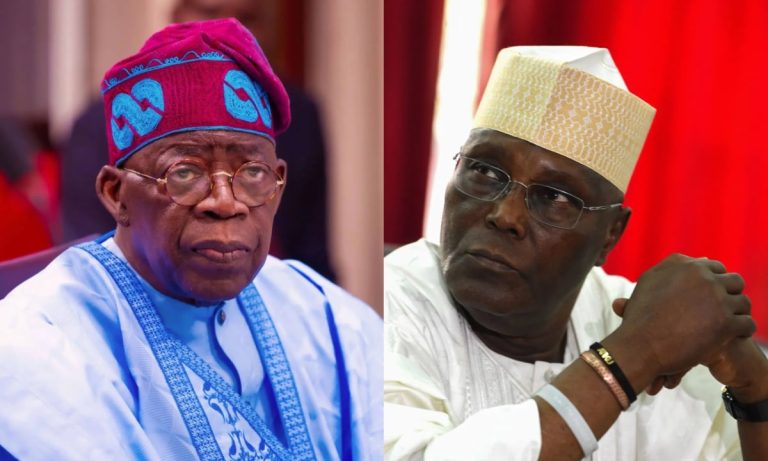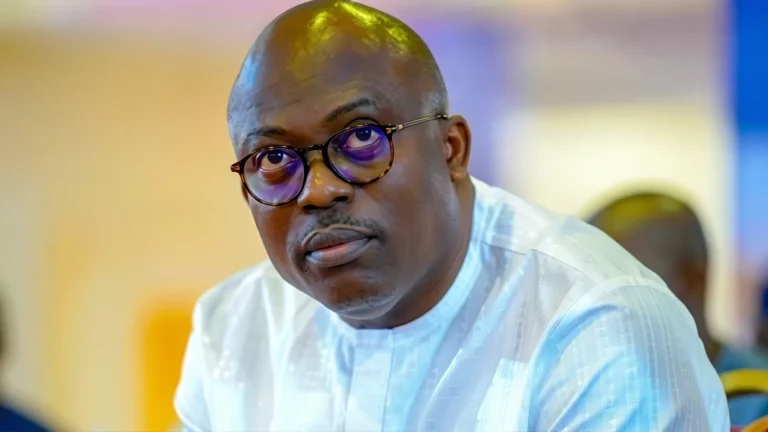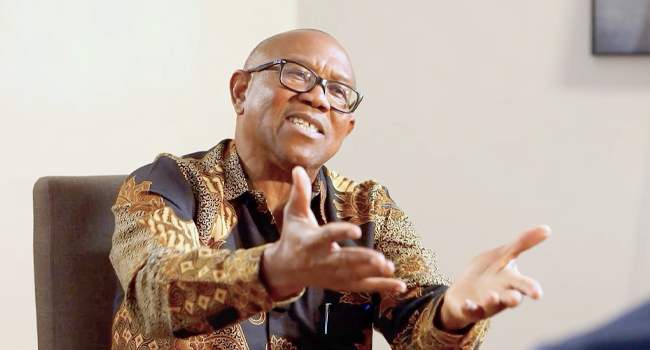

Ahead of the 2027 presidential election, former Vice President Atiku Abubakar, Labour Party’s Peter Obi, Oyo State Governor Seyi Makinde and other opposition figures have begun consultations aimed at building a common political platform against President Bola Ahmed Tinubu and the ruling All Progressives Congress (APC).
Other prominent figures involved in the discussions include former Cross River State Governor Donald Duke, Adebayo Adewole Ebenezer and Senator Sandy Onor.
The consultations are being facilitated by the G100, led by former APC chieftain Salihu Lukman, following the group’s August 2, 2026 open letter calling for what it described as a “Doctrine of Necessary Democratic Opposition.”
The initiative seeks to encourage opposition parties and political actors to work towards creating a credible and competitive alternative to the APC ahead of the 2027 elections.
According to a statement issued by the G100 on Monday, the group has held discussions with leaders of six opposition parties, including presidential candidates, running mates and national chairmen.
The parties involved are the African Democratic Congress (ADC), Allied Peoples Movement (APM), Nigeria Democratic Congress (NDC), Peoples Democratic Party (PDP), Peoples Redemption Party (PRP) and Social Democratic Party (SDP).
The latest consultations come against the backdrop of concerns that a fragmented opposition, with several presidential candidates contesting separately, could divide votes and improve the APC’s prospects in 2027.
The G100 said discussions with opposition leaders had shown increasing support for greater cooperation, although the parties had yet to agree on a common presidential candidate or the exact structure of any proposed alliance.
The group explained that the talks had been deliberately conducted away from public attention to enable political leaders to negotiate freely without the pressure that could accompany premature disclosure of details.
It added that building a successful alliance would require trust, compromise and a willingness among political actors to place broader national interests above individual ambitions and party considerations.
The next stage of the initiative is expected to take place at the Summit of Opposition Parties scheduled for August 18, 2026, in Abuja.
The summit is expected to provide a platform for more structured negotiations on cooperation, campaign coordination and strategies for the 2027 presidential election.
The G100 said it would not determine the outcome of the negotiations or impose a particular candidate or political arrangement on the participating parties.
Instead, it said its role was to facilitate discussions and build confidence among the political blocs, leaving the parties to determine whether a coalition, negotiated presidential ticket, single-party platform or another form of electoral cooperation would be most appropriate.
The possibility of an alliance involving Atiku and Obi has attracted particular attention because both politicians were major contenders in the 2023 presidential election but ran on separate platforms.
Their potential cooperation, alongside other opposition leaders, could substantially alter the political landscape ahead of the 2027 election if differences over leadership, party structures and presidential ambitions can be resolved.
The G100 said the consultations were also designed to advance the principles outlined in the Ibadan Declaration, which called for the development of a credible and united opposition capable of providing Nigerians with a competitive alternative.
The group, however, stressed that the objective should extend beyond simply defeating the APC, arguing that any emerging political alliance must offer Nigerians a government committed to democratic accountability, effective governance and national development.
It acknowledged that reconciling the interests of presidential aspirants, political parties and different opposition blocs would be challenging.
Key issues expected to feature in the negotiations include the choice of presidential candidate, power-sharing arrangements, campaign coordination and concessions among the participating parties.
“The consultations of the past week represent only the beginning,” the G100 said, stressing that the process would require “patience, courage and, above all, sacrifice.”
About The Author