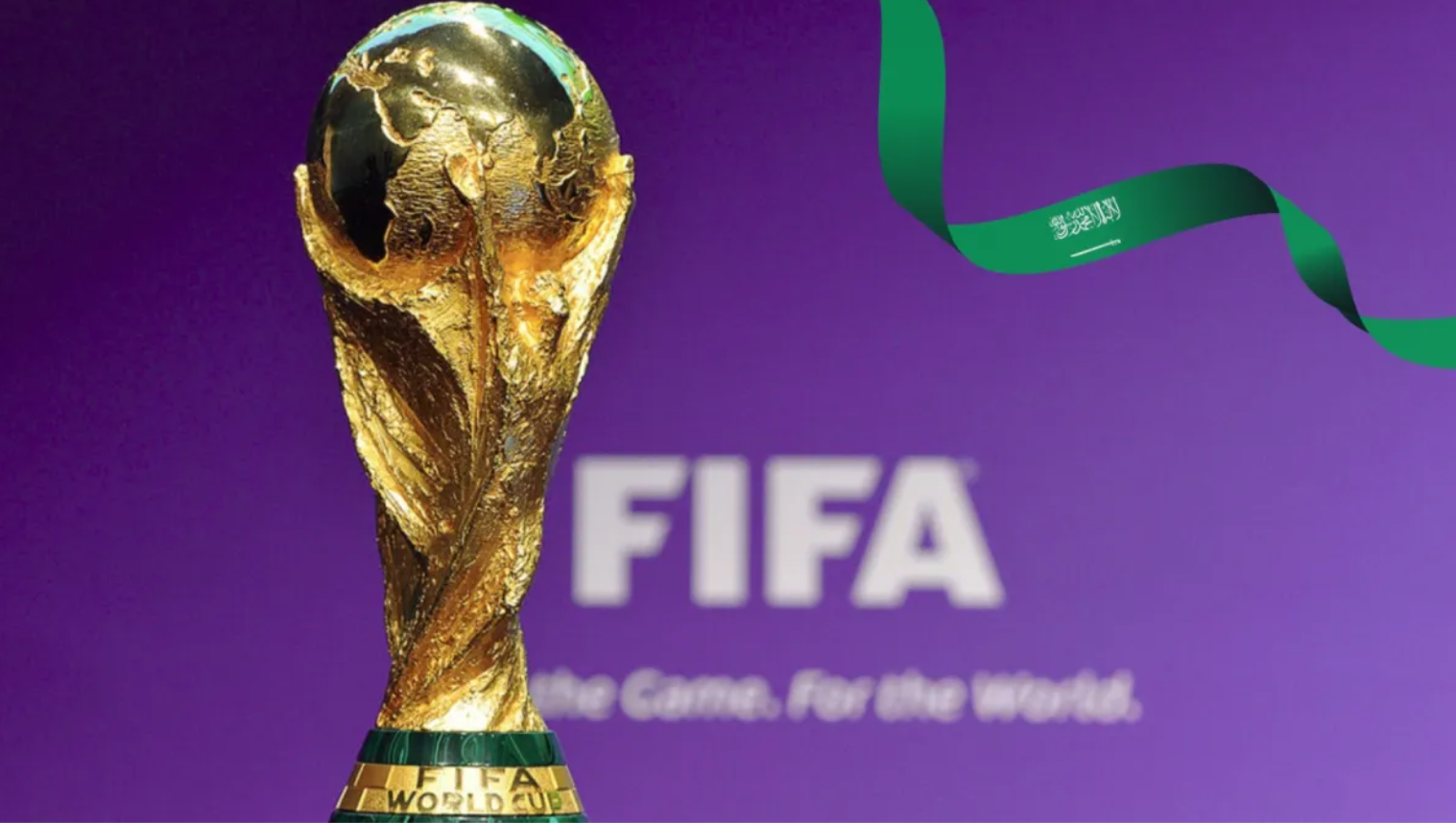
FIFA distributed a record $871 million in prize money to the 48 national teams that participated in the 2026 FIFA World Cup, marking the largest financial payout in the tournament’s history.
The expanded tournament, which featured 48 teams for the first time, was also the first FIFA World Cup to be jointly hosted by three countries—the United States, Canada, and Mexico. The multi-nation format resulted in additional travel and logistical costs for teams required to play matches outside their host nation.
According to CNBC, every participating team received a minimum of $12.5 million. This included $10 million for qualifying and competing in the group stage, as well as $2.5 million to cover pre-tournament training and related preparation expenses.
The total amount earned by each nation depended on how far it progressed in the competition.
World champions Spain received $51 million, the highest payout of the tournament and $9 million more than the $42 million awarded to Argentina for winning the 2022 FIFA World Cup in Qatar.
Runners-up Argentina earned $34 million, while England and France, who finished third and fourth respectively, received $30 million and $28 million.
The quarterfinalists—Belgium, Norway, Morocco, and Switzerland—each collected $20 million in prize money.
Meanwhile, Brazil, the United States, Portugal, Egypt, Colombia, and four other nations that advanced to the round of 16 were awarded $16 million each.
Teams eliminated in the round of 32, including Germany, Cape Verde, Japan, Ecuador, and 12 others, received $12 million, while nations that failed to progress beyond the group stage earned $10 million in prize money.
The significant increase in the overall prize fund followed appeals from several football federations, particularly in Europe, which argued that the previous payment structure would leave many participating teams facing financial losses unless they advanced deep into the tournament.
However, despite the enhanced financial rewards, teams that played matches in the United States were subject to certain tax obligations that did not apply to games held in Canada or Mexico, creating variations in the net earnings received by participating nations.