The Economic Community of West African States (ECOWAS) has intensified efforts to strengthen regional infrastructure and trade through new initiatives aimed at boosting economic integration across its $734.8 billion market.
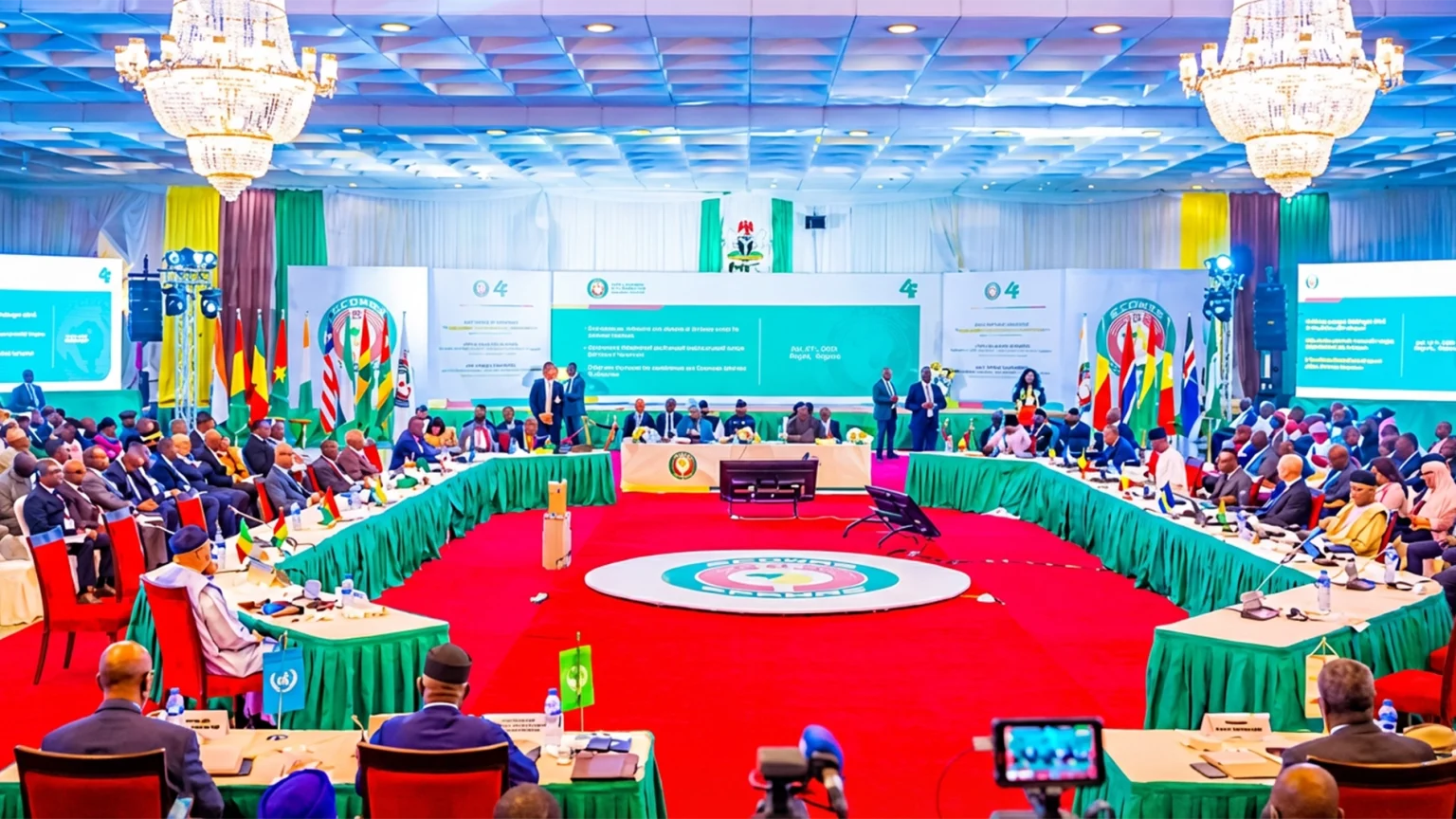
A major step was taken with the inaugural meeting of the Board of Directors of the Abidjan-Lagos Corridor Management Authority (ALCOMA), held in Nigeria on June 11 and 12, 2026. The meeting established key governance structures, operational procedures, and leadership succession plans needed to advance the six-lane Abidjan-Lagos Highway project from the planning and financing stage to implementation.
Created under a treaty signed by the governments of Benin, Côte d’Ivoire, Ghana, Nigeria, and Togo, ALCOMA is responsible for overseeing the development of the regional highway corridor, which is expected to be opened in phases beginning in 2030.
In line with the agreement’s rotational leadership arrangement, Benin’s Wilfrid Lauriano Do Rego was appointed the board’s first chairman for a two-year term, while Ayadji Omolade Hodonou Sourou Jacques was named deputy chairman. Do Rego, a seasoned auditor with more than three decades of international experience, will work alongside ECOWAS representative Chris Appiah in guiding the board’s activities.
To support operations, the board established interim Human Resources and Finance subcommittees. The Human Resources team will oversee the recruitment of a Chief Executive Officer and Legal Corporate Secretary, while the Finance committee will manage budgeting and funding mobilization.
The African Development Bank (AfDB) was also approved as a non-voting member and lead arranger for financing the estimated $15 billion highway project. Funding support includes a proposed $500 million contribution from the ADF-17 Regional Operations Envelope, alongside commitments from Benin, Côte d’Ivoire, and Nigeria.
Meanwhile, ECOWAS has launched a regional trade workshop in Lomé, Togo, aimed at addressing challenges faced by small-scale cross-border traders, particularly women. The programme, organized by the ECOWAS Centre for Gender Development in partnership with the Togolese government, seeks to tackle issues such as bureaucratic hurdles, harassment, and limited access to finance.
The workshop will review the bloc’s previous Gender and Trade Action Plan and validate a new Gender and Trade Strategy covering 2026 to 2030. Backed by the German Embassy in Togo and the Centre for International Studies and Cooperation (CECI), participants are receiving training on eliminating non-tariff barriers, using the “50 Million Women Speak” platform, and addressing violence in border communities.
ECOWAS and Togolese officials stressed that combining large-scale infrastructure projects with inclusive trade policies remains essential to achieving a more people-centered and economically integrated West Africa.
About The Author