
Nigeria’s long-delayed transition to digital broadcasting has taken a dramatic turn, as the Federal Government admits that over ₦60 billion has been spent on the failed Digital Switch Over (DSO) project, with little to show after 17 years.
Fresh details reveal that the National Broadcasting Commission (NBC) is now pushing a complete reset of the programme through a new initiative branded FreeTV, scheduled for launch on May 15, 2026.
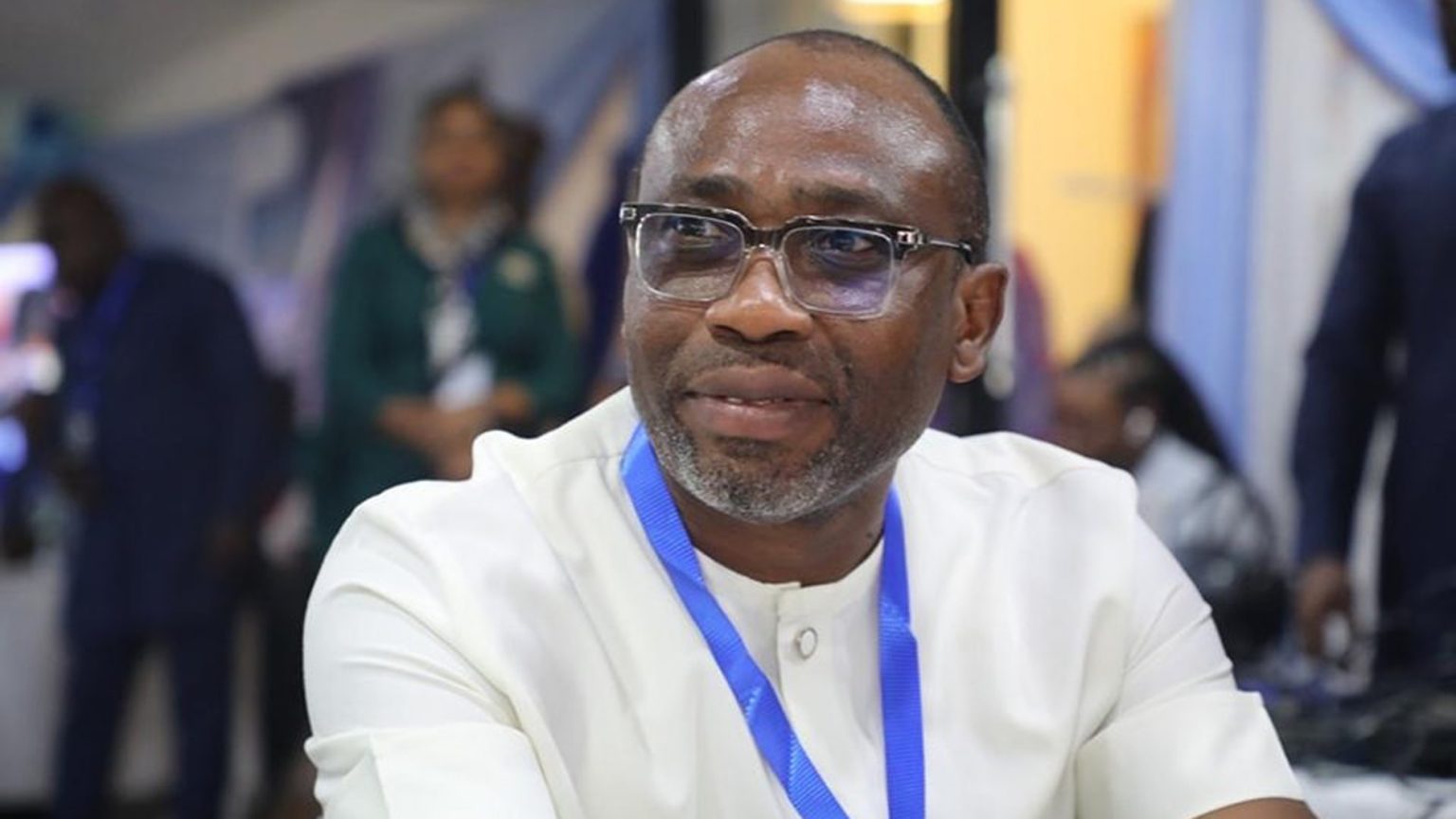
The NBC’s Director-General, Charles Ebuebu, described the DSO collapse as a “systemic breakdown,” citing years of poor coordination, lack of audience data, weak monetisation, and declining broadcaster confidence.
Under the new plan, FreeTV will operate as a true free-to-air platform, eliminating encryption barriers and allowing access via compatible digital TVs without the need for set-top boxes. The service will run on hybrid satellite and internet delivery using NigComSat-1R and is expected to offer over 100 HD channels spanning news, sports, education, and local language content.
A key feature of the reboot is a partnership with GARB to provide advanced audience measurement tools, aimed at restoring advertiser confidence through reliable data.
Despite the ambitious relaunch, the plan has triggered sharp criticism from the Association of Licensed Set Top Box Manufacturers of Nigeria (STBMAN), which accuses the NBC of breaching due process and sidelining local manufacturers.
The group warned that moves to approve imported hybrid set-top boxes contradict the government’s local content policy and could undermine investments in Nigeria’s manufacturing sector. It also hinted at possible legal action, citing an existing court order it claims the commission may be disregarding.
Industry stakeholders say the stakes are high. With Nigeria’s advertising market valued at over ₦605 billion, the failure of the DSO has left television significantly underperforming.
NBC insists the FreeTV model will reverse that trend by prioritising audience growth before revenue generation. Broadcasters who meet local content requirements will enjoy zero carriage fees until 2029, after which a regulated pricing structure will be introduced.
The commission has also set a firm deadline of December 31, 2028, for a complete analogue switch-off—signalling what it calls the end of missed targets and stalled reforms.
However, with lingering distrust from industry players and legal tensions mounting, the success of FreeTV may depend as much on policy credibility as on technology.

