
…backs food imports, warns against return to ₦120,000 rice per bag
The Trade Union Congress of Nigeria (TUC) has expressed readiness for negotiations over a new minimum wage while backing the continued importation of rice and other staple foods into the country.
It warned that stopping imports before Nigeria achieves self-sufficiency could trigger another surge in food prices and push the cost of a 50kg bag of rice back to about ₦120,000.
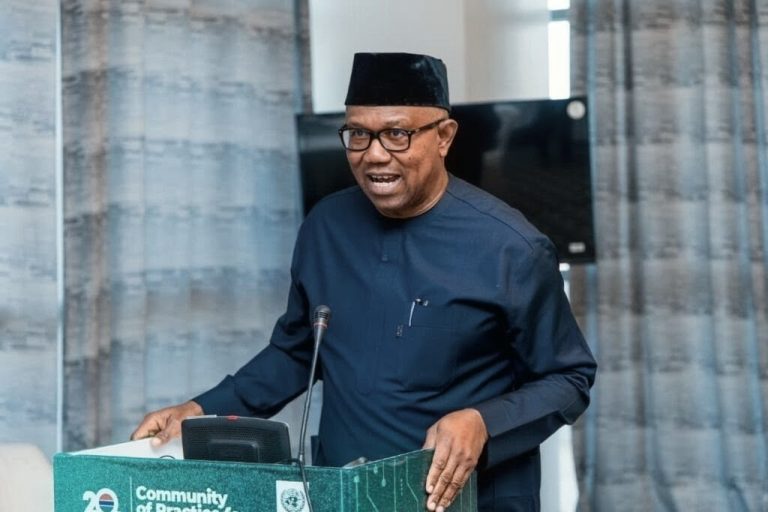
President of TUC, Festus Osifo, who stated this in Abuja yesterday, said the immediate priority should be ensuring that Nigerians have access to affordable food.
At the same time, the government should tackle insecurity and create the conditions for farmers to return to their farms.
With slightly over one year to the expiration of the current national minimum wage of N70,000, Osifo hinted that labour is ready to engage the government on the need to review the current wage floor.
He stated that the TUC is not in a hurry to engage at this point, saying the government can conclude new negotiations within one month as the data available supports a new wage.
Osifo insisted that the exchange rate of more than N1,400 to a dollar is a major driver of the high cost of living.
He further argued that the government should continue food importation to ward off acute hunger in the country.
Osifo said the labour movement had previously advocated food imports when the price of a 50kg bag of rice rose to about ₦120,000, attributing the sharp increase largely to supply shortages caused by insecurity that prevented farmers from accessing their farms.
According to him, the subsequent importation of food helped to increase supply and significantly reduce the price of rice.
He said: “We don’t want a bag of rice to go back again to ₦100,000. We don’t want a bag of rice to go back again to ₦120,000. Even where it is today, we still believe it is still relatively high. We still believe it can still come down much more than that.”
Osifo, who is also the PENGASSAN president, said the government should therefore sustain the food-importation policy until domestic production is sufficient to meet national demand.
He said: “We are calling on our government to sustain this policy and solve the state of insecurity so that our farmers could go back to the farm. When our farmers can go back to farming in their numbers, when we are producing food, and we have solved the issues of supply, then we can now say it is high time for us to stop food importation. But for now, we completely support it.”
Osifo said labour would be the first to demand an end to food imports once credible data showed that domestic production had become sufficient.
He argued that the decision should be based on supply and demand rather than political considerations, stressing that restricting imports while domestic supply remained inadequate would hurt consumers.
According to him, “Once we can conclude, or once we reach that conclusion, that the production of rice today in Nigeria is sufficient, we will also encourage government to stop the importation of rice. Because once we have sufficient production, we know that if you stop the import of rice, the prices are not going to go up, because you have more supply than demand.”
He called on rice farmers and their representative organisations to provide credible production data showing that Nigeria had attained self-sufficiency.
Osifo said insecurity remained one of the major obstacles to food production, as farmers in several parts of the country were still unable to cultivate their farms safely.
He also urged the government to accelerate efforts to establish state police, arguing that improved security was critical to restoring agricultural production.
The labour leader said the government’s priority should be to ensure that farmers could return to their farms and increase domestic food supply, after which import restrictions could be progressively introduced.
He said the government could use import duties as a protection mechanism once domestic production became adequate.
Osifo also said the reduction in food prices recorded since the peak of the food crisis demonstrated the importance of maintaining adequate supply.
He maintained that food security should take precedence over the immediate pursuit of self-sufficiency, arguing that workers and other Nigerians must first be able to afford basic food before the economy could achieve sustainable growth.
Beyond rice, he said the same principle applied to other staples, including tomatoes and yam, whose prices remain a major concern for households.
About The Author