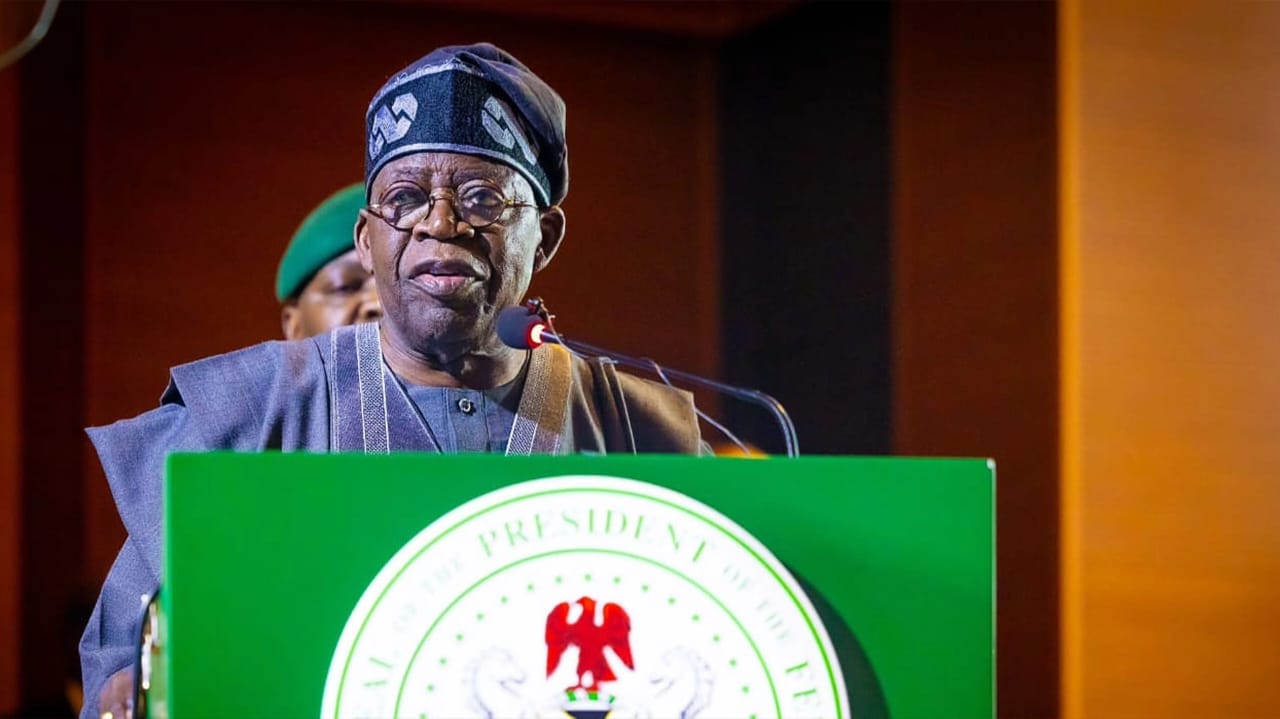
President Bola Tinubu has announced that the Federal Government will intensify the use of technology, intelligence, forensic science and international cooperation to combat drug trafficking and substance abuse across the country.
Speaking through the Attorney-General of the Federation and Minister of Justice, Lateef Fagbemi, at the grand finale of the 2026 International Day Against Drug Abuse and Illicit Trafficking in Abuja, the President said his administration is committed to addressing both the supply and demand of illicit drugs through innovative, evidence-based strategies.
Referring to this year’s theme, *”The World Drug Problem: Persisting Issues, New Challenges, Innovative Responses,”* Tinubu noted that drug trafficking has become increasingly sophisticated, making stronger collaboration and modern security measures essential.
He said the government would continue investing in border security, surveillance at airports, seaports and land crossings, intelligence gathering, forensic laboratories, scientific research and data analytics to stay ahead of criminal networks. He also assured that the justice system would receive the necessary support to ensure drug traffickers are thoroughly investigated and prosecuted.
The President further highlighted the Renewed Hope Agenda, saying it aims to reduce drug abuse by expanding access to education, promoting skills acquisition, supporting entrepreneurship, creating jobs and implementing social programmes that address the root causes of substance abuse and criminal recruitment.
Tinubu commended Mohamed Buba Marwa and officers of the National Drug Law Enforcement Agency (NDLEA) for their professionalism and dedication, noting that their achievements in reducing drug supply and demand have earned Nigeria international recognition.
He also urged governments, civil society groups, development partners and citizens to work together in tackling the global drug problem.
During the event, Oluwatoyin Odeku of the University of Ibadan said Nigeria has made significant progress in combating illicit drugs over the past five years, describing the revitalisation of the NDLEA since 2021 as a major success.
Representing the United Nations Office on Drugs and Crime (UNODC), Dr. Akanidomo Ibanga praised Nigeria’s balanced, evidence-based and human rights-focused approach to drug control, reaffirming the agency’s commitment to supporting the country’s anti-drug efforts through technical expertise, partnerships and innovative solutions.
Representatives from the Federal Ministry of Health and Social Welfare, the Federal Capital Territory Administration, the House of Representatives Committee on Drugs and Narcotics, National Agency for the Control of AIDS (NACA), National Agency for Food and Drug Administration and Control (NAFDAC) and other stakeholders also pledged continued support for Nigeria’s campaign against drug abuse and trafficking.
About The Author