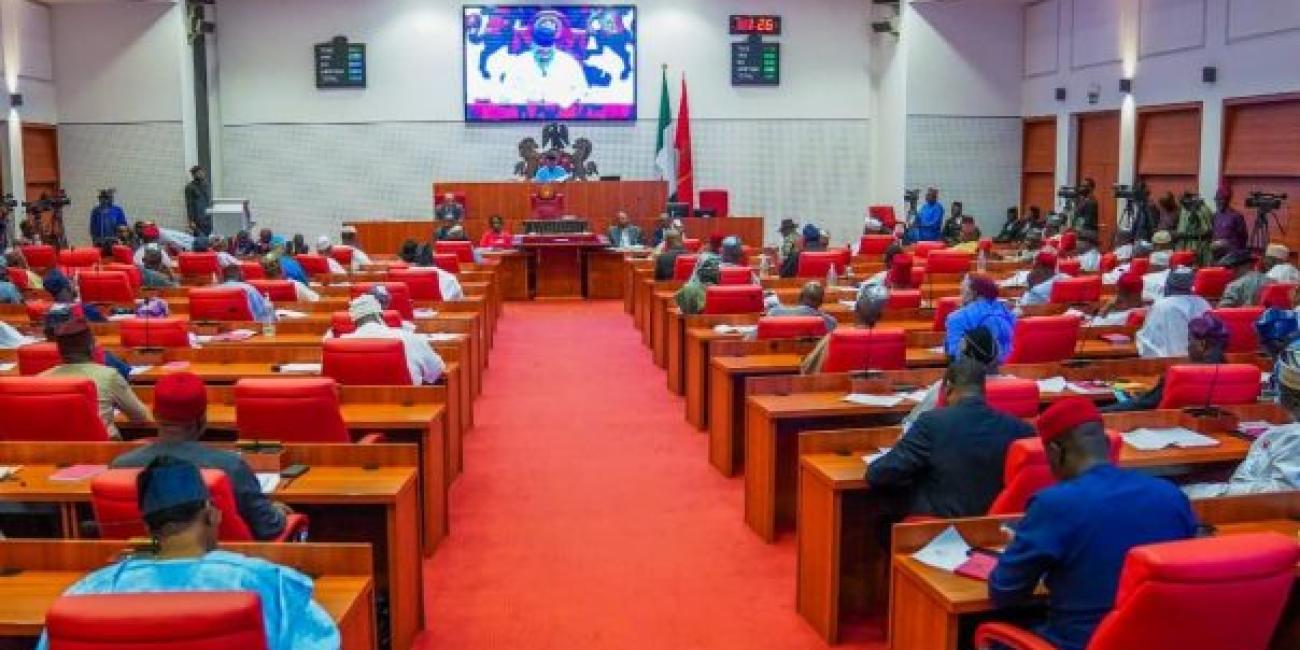
The Movement for Credible Elections (MCE), in collaboration with civil society organisations and labour leaders, has rejected the Senate’s amendment to Section 60(3) of the Electoral Act 2022, urging lawmakers to reconsider the decision.
The amendment makes electronic transmission of election results to the IReV portal compulsory but allows a return to manual collation where electronic transmission is said to have failed due to network challenges.
In a statement issued on Wednesday, the coalition expressed fears that permitting manual collation based on claims of connectivity issues could undermine the credibility of the electoral process.
The group cautioned that network failure claims are easily made and difficult to verify in real time. “In the Nigerian context, this proviso is dangerous. Claims of ‘network failure’ are easy to make, difficult to verify in real time, and have historically been used to justify result substitution and other irregularities,” the statement read.
Citing the 2023 general elections, the coalition noted that the controversy surrounding INEC’s “technical glitch” remains fresh in public memory.
Describing manual collation as the most vulnerable stage of the electoral process, the group said it was the very weakness electronic transmission was introduced to address.
The coalition further clarified that delays in real-time transmission should not be mistaken for system failure, explaining that such challenges are largely due to network issues rather than faults in the BVAS technology.
“BVAS operates on secure cloud-computing protocols, meaning results captured and queued for transmission remain preserved and should not be invalidated by temporary connectivity challenges,” the statement added.
The group therefore called for a legislative review to ensure electronic transmission remains mandatory and takes precedence over manual processes under all circumstances.
About The Author