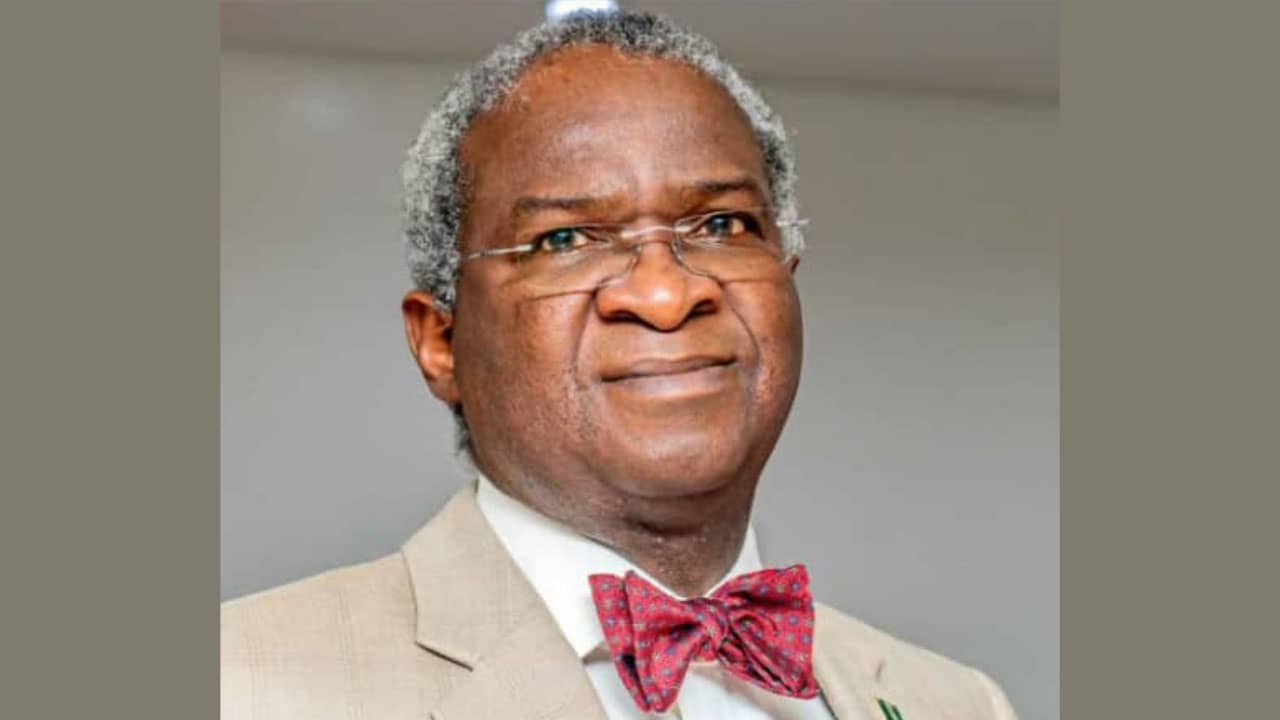
Former Lagos State Governor and Senior Advocate of Nigeria, Babatunde Raji Fashola, has urged the Federal Government to respond firmly to international visa restrictions, warning that Nigeria must not approach such matters from a position of weakness or apology.
Speaking on Tuesday at the inaugural Nigeria Reputation Summit organised by the Nigerian Reputation Management Group (NRMG) in Abuja, Fashola said the way Nigeria reacts to travel bans and visa denials goes beyond diplomacy and directly affects the country’s global image.
His comments come amid fresh travel restrictions imposed by the United States, which took effect on January 1, 2026, under Presidential Proclamation 10998, alongside the suspension of immigrant visa processing for Nigerians and citizens of other countries including Russia, Somalia, Brazil and Afghanistan.
Fashola argued that Nigeria still wields economic influence through the spending power of its citizens abroad and should recognise that leverage. According to him, standing up for national pride does not mean excusing bad behaviour by Nigerians overseas, but rethinking how the country protects its dignity while addressing reputational concerns.
He questioned whether Nigeria would continue to apologise when told it is unwelcome elsewhere, urging leaders to reflect on whether the country truly sees itself as the “giant” it claims to be. Using a simple analogy, he said pleading after being told not to visit a neighbour’s house is not a position of strength.
On diplomacy, Fashola stressed that ambassadors must do more than attend social functions, calling for envoys who understand Nigeria’s economic policies, investment climate and sectoral priorities. He said diplomats should actively attract investors and opportunities to Nigeria rather than encourage unnecessary foreign trips by government officials.
Minister of Information and National Orientation, Mohammed Idris, also called on Nigerians, institutions and professionals to take shared responsibility for building and protecting the nation’s reputation through honesty and visible progress. He described the unveiling of Nigeria’s first National Reputation Perception Index by the Nigerian Institute of Public Relations (NIPR) as an important step in understanding how the country is perceived locally and internationally.
Although the index places Nigeria in a low-trust category, Idris said the Tinubu administration has made meaningful progress in the past two years, noting that perception often trails reality. He also rejected claims portraying Nigeria as religiously intolerant, describing such narratives as misleading.
The President of the NIPR highlighted the growing importance of national reputation in today’s global order, explaining that it has direct implications for governance, citizens and economic growth. Addressing controversy over a reported $9 million lobbying deal with a US-based firm, he clarified that lobbying is a recognised public relations practice, though he said he had no details of the specific contract.
Chairman of the Nigerian Reputation Management Group, Chief Yomi Badejo-Okusanya, said the summit was convened to kick-start a coordinated national conversation on managing Nigeria’s image deliberately, rather than reacting only when challenges arise.
About The Author