The Defence Headquarters (DHQ) has confirmed that the Armed Forces of Nigeria, working alongside the United States, carried out precision air strikes against identified foreign fighters linked to ISIS in parts of Northwest Nigeria.
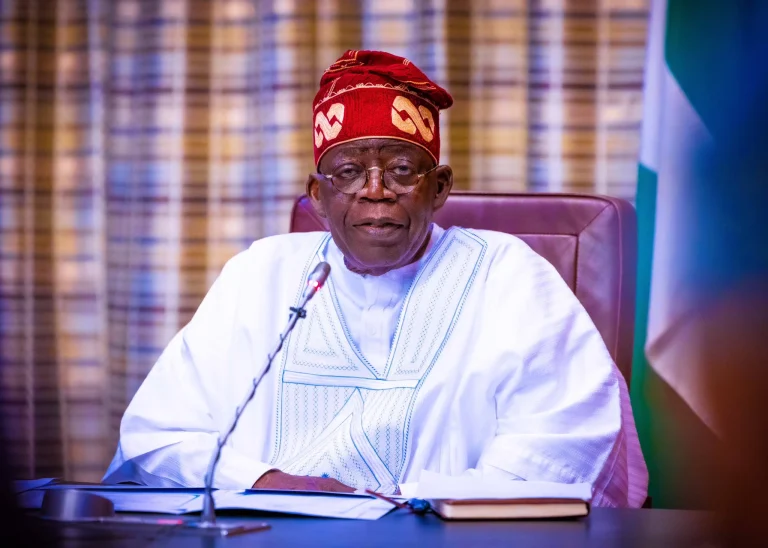
The Director of Defence Information, Maj.-Gen. Samaila Uba, disclosed this in a statement issued early Friday, noting that the operation received approval from the relevant Federal Government authorities. He explained that the strikes are part of sustained joint efforts to eliminate terrorists and criminal groups posing threats to Nigeria’s national security.
According to Uba, the operation was based on credible intelligence and thorough planning, with the objective of weakening the terrorists’ operational capacity while limiting collateral damage. He added that the action highlights Nigeria’s determination, in collaboration with strategic partners, to combat transnational terrorism and prevent foreign fighters from gaining a foothold in the country.
The DHQ reaffirmed the military’s commitment to safeguarding lives and property, as well as supporting joint and inter-agency initiatives aimed at restoring lasting peace and security nationwide.
The confirmation followed a statement by U.S. President Donald Trump on Thursday night, in which he said American forces had carried out air strikes against Islamic State elements operating in northwestern Nigeria. Posting on his Truth Social platform, Trump linked the operation to attacks on Christians and warned of further action if the violence continued.
He claimed the strikes were conducted by the U.S. military, which he referred to as the “Department of War,” and asserted that the operation demonstrated America’s unmatched military capability. Trump also stated that his administration would not tolerate extremist violence, adding that more strikes would follow if attacks persisted.
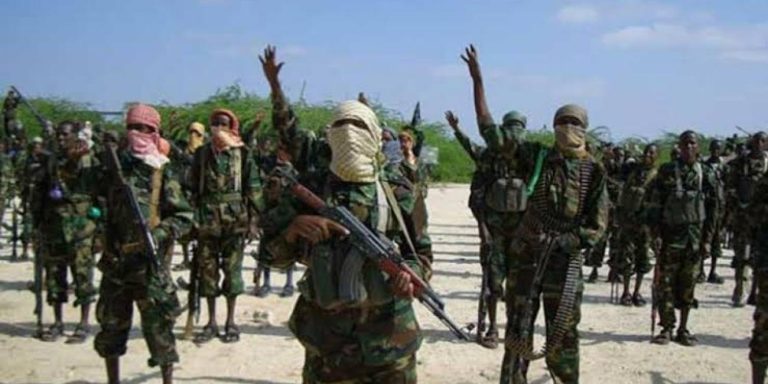
Islamic State West Africa Province (ISWAP) and other armed groups have continued to operate in parts of Nigeria’s Northeast and Northwest, targeting civilians, security forces and religious communities. However, official acknowledgment of foreign military operations on Nigerian soil remains uncommon and diplomatically sensitive.
About The Author