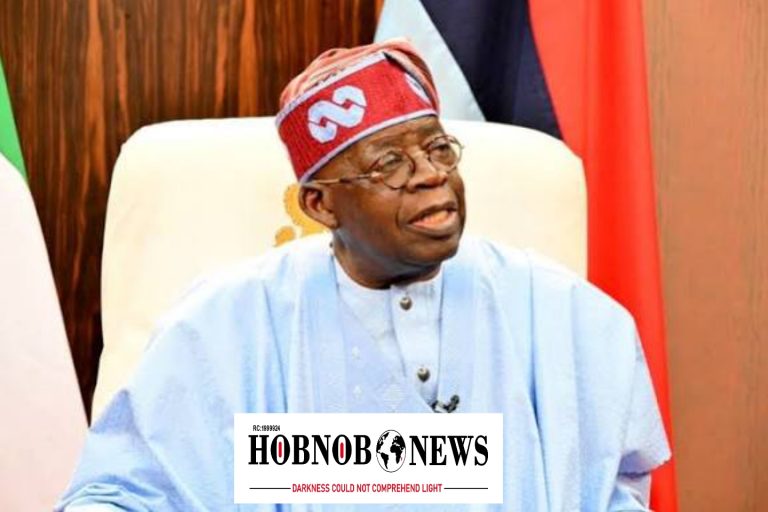
Human rights lawyer Marshal Abubakar has described President Bola Tinubu’s approval of Nigeria’s military intervention in the Republic of Benin as a grave breach of the Nigerian Constitution that could amount to an impeachable offence.
He maintains that no Nigerian president has the authority to deploy troops beyond the country’s borders without first obtaining the consent of the National Assembly.
His position stems from the December 7, 2025 coup in Benin Republic, during which soldiers led by Lieutenant Colonel Pascal Tigri announced on national television that President Patrice Talon had been overthrown following an attack on his residence in Cotonou.
After the coup, Nigeria’s Chief of Defence Staff openly confirmed that air and land assets were already operating in Benin Republic solely on the instructions of President Tinubu, who currently chairs ECOWAS. The military chief admitted that this deployment was carried out without any form of approval from the National Assembly.
Tinubu has defended his decision by arguing that the intervention aligns with the ECOWAS Protocol on Democracy and Good Governance, which aims to prevent unconstitutional changes of government within the region.
Abubakar rejects that defence, insisting that Nigeria’s Constitution is the final authority. He cites Section 5(4)(b) of the 1999 Constitution, which states clearly that no member of the armed forces can be sent on combat duty outside Nigeria without prior approval from the Senate.
He notes that although Section 5(5) allows the President to deploy troops on a limited basis after consulting the National Defence Council, such deployment must relate strictly to Nigeria’s national security. In his view, this exception cannot be stretched to cover military actions taken to address the security concerns of another sovereign state.
Abubakar argues that Benin is a separate nation and that the President has no constitutional right to send troops there unless Nigeria itself faces imminent danger. He also stresses that ECOWAS protocols cannot override the Nigerian Constitution, especially on matters concerning the use of armed forces.
The lawyer expresses concern about the surge of military coups across West Africa, referencing recent takeovers in Mali, Guinea, Burkina Faso, Niger and now Benin. He notes that public celebrations after coups reveal a deeper crisis in governance throughout the region.
According to him, corruption, weak institutions, insecurity, electoral manipulation and leadership failures have created widespread frustration and pushed citizens to embrace military takeovers as an alternative to democratic systems that no longer meet their expectations.
Abubakar reaffirms his belief that even an imperfect democracy remains better than any military regime. He warns, however, that democracy fails when leaders become self-serving and refuse to confront systemic risks or promote public welfare.
He concludes that political leaders across the continent must focus on national integration, stamp out corruption, prevent abuse of power and manage national resources in a manner that guarantees social justice, equality of opportunity and the welfare of all citizens. He believes this is the only way to halt the growing threat of coups and restore confidence in democratic governance across Africa.