Criminal elements and terrorists operating across Nigeria are utilizing foreign internet services and cellular networks from neighboring countries, creating a significant technological barrier that hinders security agents’ ability to track them, according to a key Presidential aide.
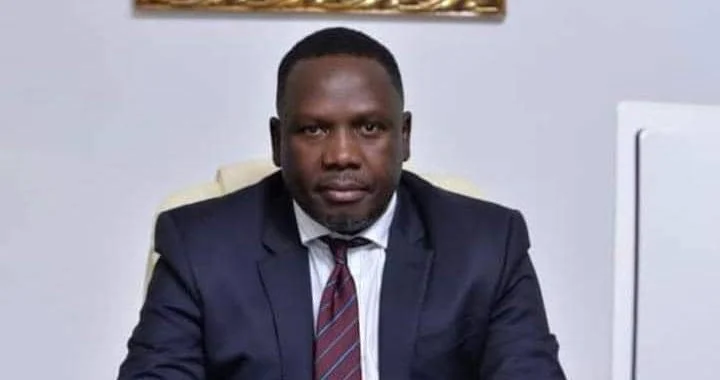
Special Adviser to President Bola Tinubu on Policy Communication, Daniel Bwala, made the revelation on Friday, highlighting the technological loophole complicating the fight against rising insecurity.
The Starlink and Cross-Border Challenge
Bwala explained that while security agencies possess the capabilities to trace Nigerians using locally registered services via established databases and IP addresses, tracking criminals who rely on services outside the country’s regulatory sphere is far more complicated.
“If you are using Starlink, we cannot trace it because Starlink is not registered in Nigeria; it is in space,” Bwala said. “That is the problem they have in Ukraine and Russia.”
He further pointed out that cellular connectivity presents an additional challenge: “These terrorists most of the time are using cellular services from neighbouring countries and not from Nigeria, so it becomes tricky.”
Bwala’s comments illuminate the technological hurdles facing security agencies as they combat the surge in banditry, terrorism, and mass kidnappings affecting communities across the North-West and North-East.
Criminals Exploit Digital Platforms
The technological tracking challenge is significantly compounded by the fact that criminal groups are increasingly exploiting digital communication tools to coordinate activities and spread fear.
Hobnob News has gathered multiple reports indicating that suspected terrorists and bandits are actively using social media platforms, such as TikTok, to spread propaganda, flaunt their arsenal of weapons, and showcase ransom payments and loot. These highly accessible videos sometimes include threats or calls for support, creating a dangerous front that aids recruitment and spreads widespread fear.
In May 2025, reports highlighted the use of TikTok by jihadists in the North-East, who leveraged the platform to disseminate propaganda and display their weapons and cash, showcasing a sophistication that demands a revised strategy from security forces.
About The Author