At least 21 Nigerian states have earmarked about ₦133 billion for security votes in 2025, even as insecurity continues to claim lives and devastate communities across the country.
According to second-quarter budget performance reports reviewed by Hobnob News, the allocations come despite persistent killings, kidnappings, and destruction of property nationwide.
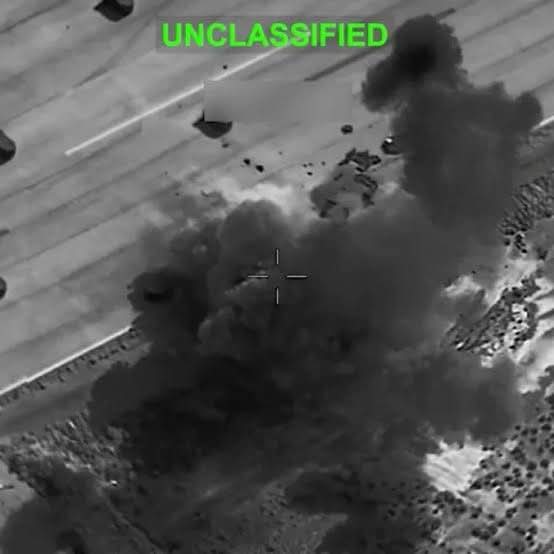
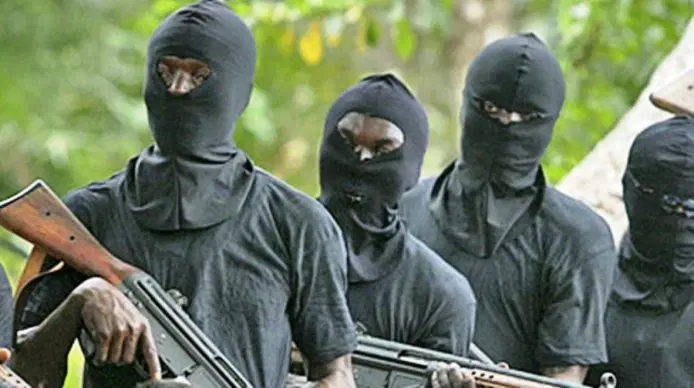
On Sunday, gunmen attacked Ikn’gwakap community in Mushere Chiefdom, Bokkos Local Government Area of Plateau State, killing six people and razing several homes. Earlier this month, no fewer than 63 people, including five soldiers, were killed during a Boko Haram raid in Darajamal, Borno State. In August, bandits stormed a mosque in Katsina State during dawn prayers, killing 32 worshippers.
Yet, despite these tragedies, state governments continue to pour billions into security votes — a controversial allocation often criticized for its opacity.
Breakdown of Allocations:
Borno leads with ₦32.8bn
Benue, ₦15.6bn
Ondo, ₦11.5bn
Delta, ₦10.6bn
Adamawa, ₦8.2bn
Bauchi, ₦8bn
Zamfara, ₦8bn
Others include Kano (₦5bn), Sokoto (₦5.5bn), Nasarawa (₦4bn), Katsina (₦4.4bn), Kogi (₦4.3bn), Bayelsa (₦4.8bn), and Cross River (₦3bn). The lowest allocations came from Imo (₦1.58bn), Kaduna (₦1.2bn), Abia (₦2bn), Jigawa (₦807m), Lagos (₦596m), Taraba (₦503.8m), and Kwara (₦350m).
Security votes — lump sums set aside by governments for sensitive operations — were originally designed to bypass bureaucratic delays in funding urgent security interventions. However, the secrecy surrounding their disbursement has fueled criticism that the funds are often diverted for political or personal gain.
Analysts argue that despite huge allocations, insecurity remains pervasive. Citizens are still confronted with poor infrastructure, dilapidated hospitals, and failing schools.
The National Coordinator of the Coalition of Northern Groups, Jamilu Charanchi, condemned the practice, questioning the impact of the funds.
“Don’t we still have killings in the North? Don’t we still have bad roads, dilapidated hospitals, and poor education? What are they doing with the money? What are they doing with the security vote?” he asked.
Critics maintain that addressing poverty and underdevelopment would be a more effective way to tackle insecurity than maintaining a system widely viewed as a “statutory drainpipe.”
About The Author