

The Federal Ministry of Works has commenced urgent intervention works on the damaged deck of the Benin-bound section of the Shagamu-Benin carriageway, pledging a swift and lasting solution to ensure safe passage for road users.
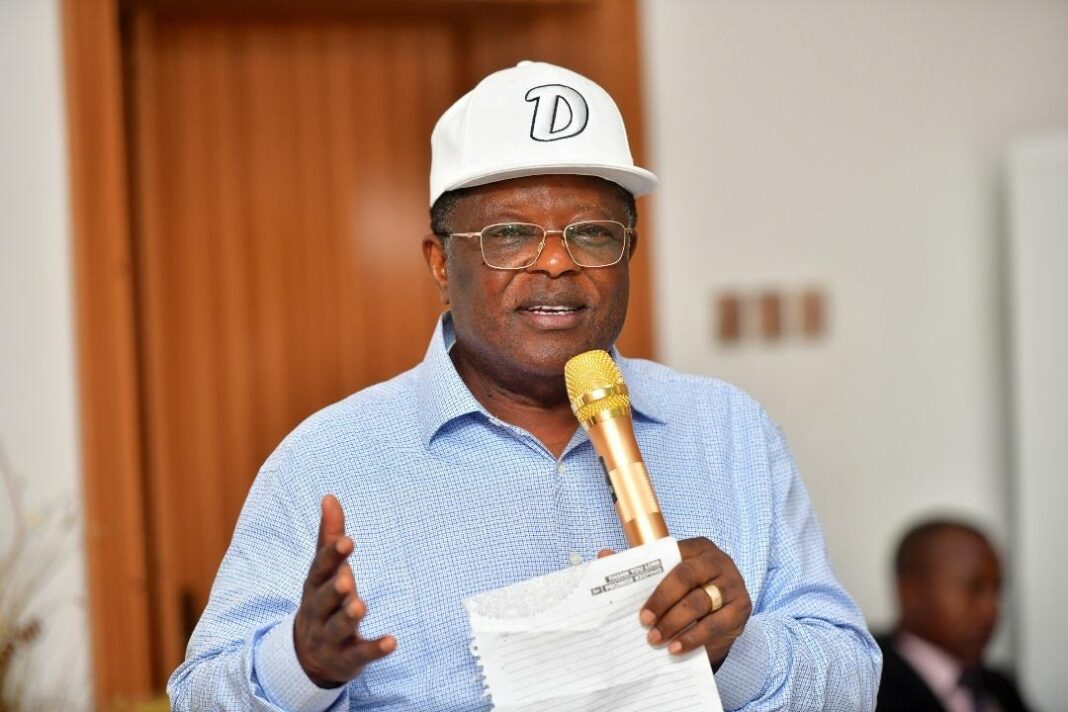
In a statement issued Tuesday by the Minister’s Special Adviser on Media, Uchenna Orji, the ministry confirmed that engineers have been dispatched to the site following directives from the Honourable Minister of Works, David Umahi.
“The Honourable Minister has directed immediate deployment of a team of engineers to the location of the damaged bridge at the border of Edo and Ondo States,” the statement read.
According to the ministry, the damage—a visible puncture on one span of the bridge deck—is due to age-related deterioration. The Shagamu-Benin bridge, constructed in 1981, has reached a critical stage in its lifespan, requiring full-scale rehabilitation.
Umahi explained that while urgent repair works are ongoing, a permanent solution is planned. “We will remove the entire deck slab of the two bridges in Ondo and Edo States and reconstruct them using innovative engineering technology,” he said.
The ministry assured motorists that traffic would be maintained on one carriageway during the rehabilitation, with support from the Federal Road Safety Corps to minimise congestion. The affected section will reopen to vehicles within 45 days of completing the concrete works, once the structure has matured.
The Honourable Minister also acknowledged the individual who raised public alarm about the bridge, urging Nigerians to recognise the government’s broader efforts to overhaul the country’s ageing infrastructure.
President Bola Ahmed Tinubu, through the Renewed Hope agenda, has approved interventions on more than 30 bridges nationwide in 2025 alone, underscoring what Umahi described as a “bold vision” to transform Nigeria’s transport sector.
“These legacy projects are not just about roads,” he said. “They are catalysts for economic growth, improving healthcare, education, tourism, regional integration, industrialisation, and the overall human development index.”

