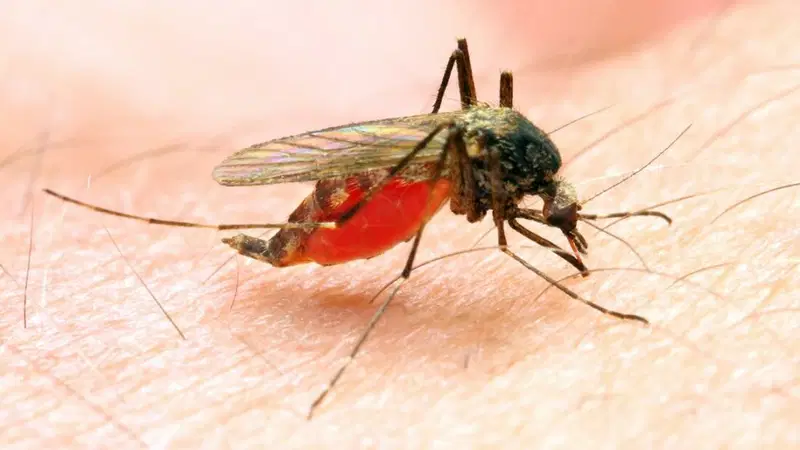
The Society for Family Health (SFH) has raised alarm over the deadly impact of malaria in Nigeria, revealing that the disease kills at least nine Nigerians every hour and affects 97% of the population.
This alarming statistic was shared by Sesugh Deborah Oryiman, SFH’s Social and Behavioural Change Specialist, during a media orientation on the upcoming Integrated Insecticide-Treated Nets (ITNs) and Seasonal Malaria Chemoprevention (SMC) campaign held in Kano State.
As part of efforts to curb the spread of the disease, the organisation announced plans to distribute 7.7 million insecticide-treated nets and administer over 15 million doses of SPAQ (Sulfadoxine-Pyrimethamine plus Amodiaquine) to children between 3 and 59 months across Kano’s 44 local government areas.
“Malaria remains the most preventable public health issue in Nigeria, yet it continues to take a heavy toll, especially on children under five and pregnant women,” said Oryiman. “Nigeria accounts for nearly 110 million clinically diagnosed malaria cases annually, with the disease responsible for 30% of child and 11% of maternal deaths.”
According to SFH, Nigeria bears 25% of the global malaria burden, with one out of every five global malaria deaths occurring in the country. The disease also continues to undermine productivity nationwide, being a leading cause of absenteeism from schools, farms, markets, and offices.
In addition to its devastating health toll, malaria drains the economy, slashing Nigeria’s GDP by an estimated 40% annually due to treatment costs, preventive measures, and lost man-hours.
Despite a slight drop in malaria prevalence from 27% in 2015 to 22% in 2021, Oryiman stressed the importance of consistent use of treated mosquito nets as the most effective and affordable way to prevent infection.
The Kano State Malaria Elimination Programme Manager, Babangida Gwarzo, also revealed that over 27,000 community mobilisers and distributors have been deployed for the campaign to ensure house-to-house delivery of SPAQ treatments and net distribution. He added that the campaign targets over 3 million children in the state.
“Caregivers must ensure their children receive this dosage, especially during the rainy season when malaria cases spike,” Gwarzo urged.
The SFH campaign is part of a broader push to mitigate the public health and socio-economic burden of malaria through community engagement and access to life-saving interventions.
About The Author