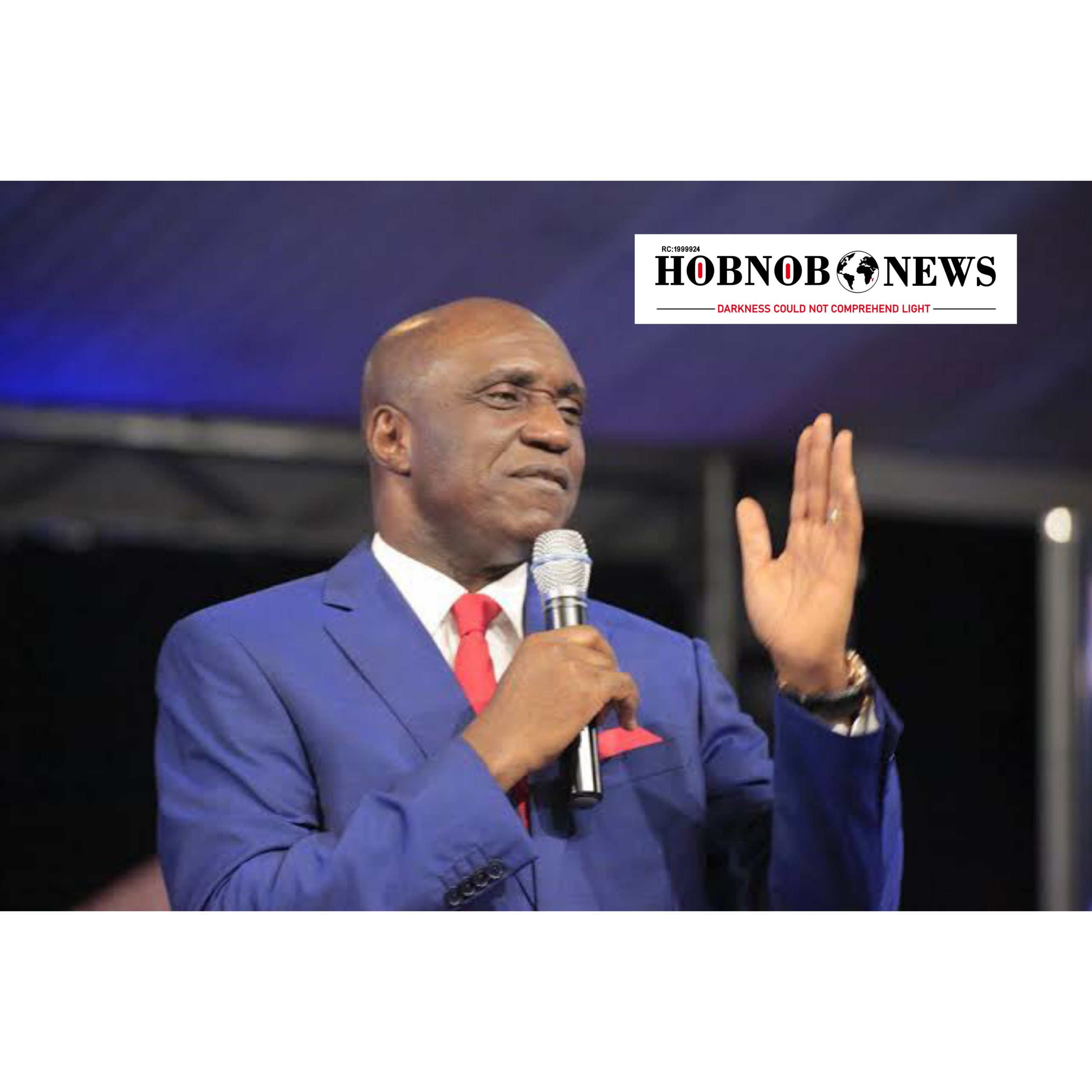
Pastor David Ibiyeomie, the founder of Salvation Ministries based in Port Harcourt, has issued a stern warning to bloggers and Nigerians on social media who comment on him or his church. In a recent sermon, he cautioned, “Don’t carry any news about me or my church. If you do, I’ll arrest and lock you up.” This strong statement underscores his readiness to take legal action against anyone spreading information about him or his ministry without permission.
Furthermore, Pastor Ibiyeomie openly rejected the traditional Christian teaching of “turning the other cheek,” declaring, “My own gospel is to slap you, not turn the other cheek.” His remarks have stirred controversy and sparked widespread debate across Nigerian social media platforms. Many have questioned the appropriateness of such statements from a religious leader, arguing that they contradict the principles of forgiveness and humility often associated with Christianity.
In response to these comments, some online activists have criticized Pastor Ibiyeomie for allegedly trying to misuse his influence to suppress freedom of speech. They argue that threatening arrest for merely discussing or criticizing a public figure is an abuse of power and a violation of democratic values. On the other hand, groups like the Concerned Christian Youth Forum (CCYF) have come to his defense. They condemn bloggers and content creators who they say distort sermons and create misleading narratives online. The CCYF has called on the Nigerian government to regulate the digital space more strictly to protect religious institutions from misinformation and defamation.
This incident highlights the growing tension between religious leaders and the digital media landscape in Nigeria. It raises important questions about how to balance freedom of expression with the need to safeguard individual reputations and religious sensitivities in an increasingly connected world.
About the Author