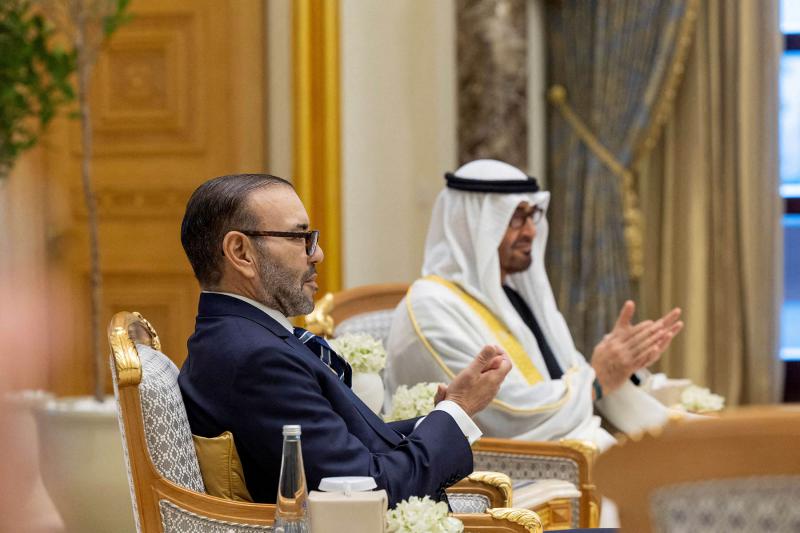
The United Arab Emirates has officially joined the list of backers for the monumental $25 billion African-Atlantic Gas Pipeline, which will connect Nigeria to Morocco and ultimately supply gas to Europe.
Morocco’s Minister of Energy Transition and Sustainable Development, Leila Benali, made the announcement on Tuesday, stating that the UAE is now among the international financiers supporting the project. “The project has secured the backing of the Islamic Development Bank (IDB), OPEC Fund, European Investment Bank (EIB), and now, the UAE,” she revealed.
Benali confirmed that Morocco has completed all required feasibility assessments and engineering designs. Industry insiders say the initiative has passed both the feasibility study and Front-End Engineering Design (FEED) stages.
Dubbed the African-Atlantic Gas Pipeline, the ambitious infrastructure will span 6,800 kilometers—5,100 of which will be offshore—making it the world’s longest offshore gas pipeline upon completion. It will connect Nigeria’s gas reserves to Morocco’s Dakhla region and stretch northward toward European markets.
The pipeline is designed to pass through 15 African countries, significantly boosting regional trade, power supply, and development. Phase One will link Morocco to gas-rich areas near Senegal and Mauritania, and connect Ghana to the Ivory Coast. Phase Two will connect Nigeria to Ghana, while Phase Three will complete the route between the Ivory Coast and Senegal.
With over 400 million people living along the pipeline’s route, experts believe the project will be transformative for Africa, offering energy security, regional integration, and industrial expansion.
A joint venture between Nigeria and Morocco is managing the initiative. China’s Jingye Steel Group has been awarded the contract to supply the necessary pipeline materials.
Minister Benali also emphasized Morocco’s vision to become a regional clean energy leader, highlighting the country’s potential in green hydrogen and other renewable energy resources.
About The Author