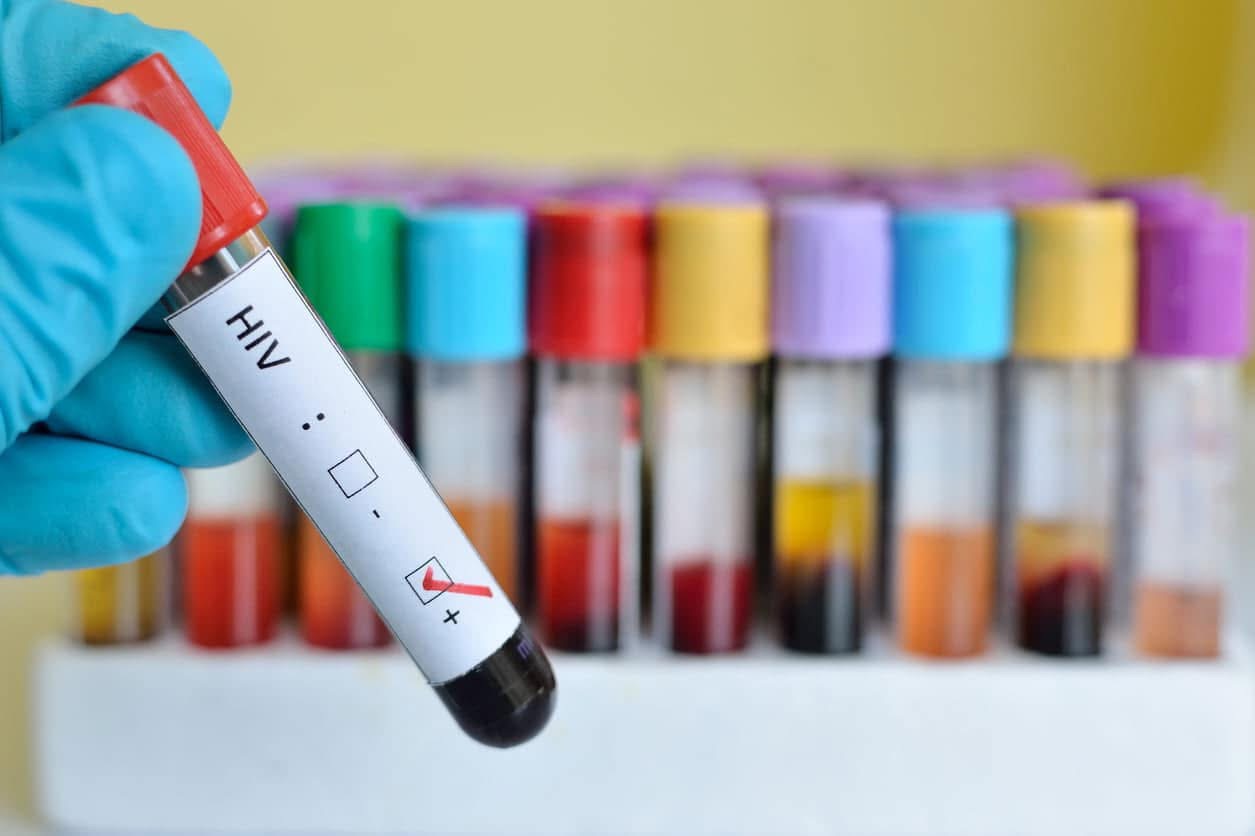
The National Agency for the Control of AIDS (NACA) has released its latest HIV spectrum estimates, revealing that over two million Nigerians are currently living with HIV. The 2024 state‐by‐state breakdown shows that Rivers State tops the chart, followed closely by Benue and Akwa Ibom.
According to the report, Rivers State has the highest number of people living with HIV, registering 208,767 recorded cases. Benue State follows with 202,346 individuals, while Akwa Ibom records 161,597 cases. Lagos State comes in fourth with 108,649 cases, and Anambra rounds out the top five with 100,429. The Federal Capital Territory reports 83,333 cases, securing sixth place nationwide.
Other states in the high‐prevalence bracket include:
- Delta: 68,170
- Imo: 67,944
- Enugu: 61,028
- Edo: 60,095
- Taraba: 58,460
The middle tier encompasses:
- Abia: 54,655
- Kaduna: 54,458
- Kano: 53,972
- Plateau: 51,736
- Borno: 50,433
- Oyo: 50,063
- Nasarawa: 44,993
- Cross River: 43,452
- Ogun: 43,348
States in the lower‐middle category report between roughly 25,000 and 40,000 cases:
- Adamawa: 40,059
- Gombe: 31,825
- Jigawa: 31,409
- Osun: 30,714
- Niger: 29,756
- Bauchi: 28,698
- Kogi: 28,421
- Ondo: 27,150
- Katsina: 26,788
- Bayelsa: 25,339
The following states report the lowest number of recorded HIV cases:
- Kwara: 20,259
- Kebbi: 19,339
- Ekiti: 18,857
- Sokoto: 15,223
- Ebonyi: 14,151
- Zamfara: 13,253
- Yobe: 11,956
NACA’s comprehensive estimates underscore persistent regional disparities in HIV burden across Nigeria. Health officials say these figures will help target interventions—such as testing, antiretroviral therapy scale‐up, and community outreach—to high‐prevalence areas and ensure no state is left behind in the national response. As the country strives toward the UNAIDS 95-95-95 targets, focused efforts in the hardest‐hit states will be crucial to bending the epidemic curve downward.
About The Author