Screenshot
2025 In a significant moment of reflection, former Military President General Ibrahim Babangida revealed that the June 12, 1993, election, which he controversially annulled, was free, fair, and credible, with Moshood Abiola winning convincingly. Babangida, at the launch of his autobiography A Journey in Service, acknowledged the role of a military cabal, led by General Sani Abacha, in forcing the annulment.
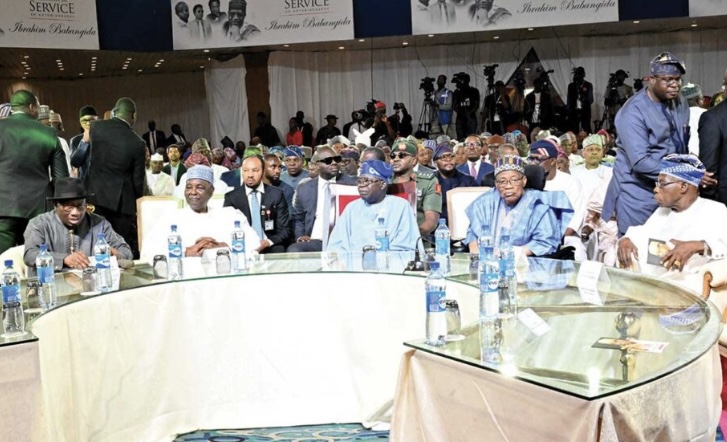
At the event, which saw the attendance of former Presidents Olusegun Obasanjo and Goodluck Jonathan, former Head of State Yakubu Gowon, and President Bola Ahmed Tinubu, Babangida expressed regret over the annulment and its enduring impact on Nigeria’s democracy. The election was credible, but the decision to annul it, which I regret, was not mine alone, he stated. “General Abacha and others in my government were opposed to the election, and I was caught in a difficult position.
The admission came alongside revelations of strange legal maneuvers that delayed and eventually halted the election process. Babangida criticized Justice Minister Clement Akpamgbo’s role in the judicial interference that led to the injunctions stopping the election, as well as the involvement of controversial figures like Arthur Nzeribe and his Association for a Better Nigeria (ABN).
In his autobiography, Babangida described the chaotic scenes leading to the annulment, recounting how an emergency National Defence and Security Council meeting on June 11, 1993, found the country’s top military officers divided over whether to proceed with the election. Babangida, deferring to NEC Chairman Professor Humphrey Nwosu’s insistence that the election go ahead, allowed voting to continue on June 12. However, the subsequent suspension of the election results, followed by an unexpected annulment, shocked the nation.
Babangida further detailed how the hurried announcement of the annulment, made in a terse and unprofessional statement, left the country in turmoil.I was alarmed and horrified when I heard the news of the annulment. It was the wrong decision, and it has haunted me ever since, he admitted.
Reflecting on the broader consequences of the annulment, Babangida acknowledged that it plunged Nigeria into a period of political chaos, culminating in the rise of General Abacha’s dictatorship. He also recognized the pivotal role of the June 12 election in Nigeria’s eventual transition to democracy, despite the setback it represented at the time.
The launch also sparked calls for the posthumous recognition of MKO Abiola as Nigeria’s rightful president. The Coalition of United Political Parties (CUPP), represented by National Secretary Chief Peter Ameh, urged President Tinubu to formally declare Abiola’s victory, calling the annulment a “turning pointal in the national democratic trajectory. Ameh argued that recognizing Abiola’s mandate would help heal the national political wounds.
“The annulment of the June 12 election led to deep political instability, eroding trust in the electoral system, Ameh said. “Recognizing Abiola posthumously as president would be a step toward reconciliation and a reminder of the importance of safeguarding our democracy.
As Babangida’s admission adds a new layer to Nigeria’s complex history, the ongoing discourse on the legacy of June 12, 1993, continues to influence the nation’s pursuit of democratic ideals and national healing.
About The Author