

The Central Bank of Nigeria (CBN) has wrapped up its 24-month bank recapitalisation programme while rolling out a new supervisory pilot aimed at virtual asset service providers, signalling a stronger push to tighten financial oversight.
In a statement released yesterday, the apex bank said lenders raised a total of N4.65 trillion in fresh capital between March 2024 and March 2026, with 33 banks successfully meeting the updated minimum capital requirements. A handful of others remain entangled in regulatory forbearance and legal processes, although the CBN noted that all banks are still fully operational.
Local investors dominated the recapitalisation drive, contributing 72.55 per cent of the total funds, while foreign investors accounted for 27.45 per cent, amounting to N1.28 trillion.
Although the headline figure far exceeds the N406.4 billion raised during the landmark 2004/2005 exercise, the gap narrows significantly when adjusted for exchange rates. At the time, the naira traded around N130 to the dollar, putting the 2005 total at roughly $3.1 billion. By comparison, the recent N4.65 trillion—at about N1,380/$—translates to approximately $3.37 billion, indicating only a modest increase in dollar terms.
The funding mix also reflects changing investor sentiment. While the 2005 exercise attracted strong foreign participation amid optimism about reforms and economic prospects, the latest recapitalisation leaned heavily on domestic sources, with over 70 per cent raised locally.
According to the CBN, the exercise has boosted banks’ capital adequacy ratios above Basel standards, maintaining minimum thresholds of 10 per cent for regional and national banks and 15 per cent for international banks.
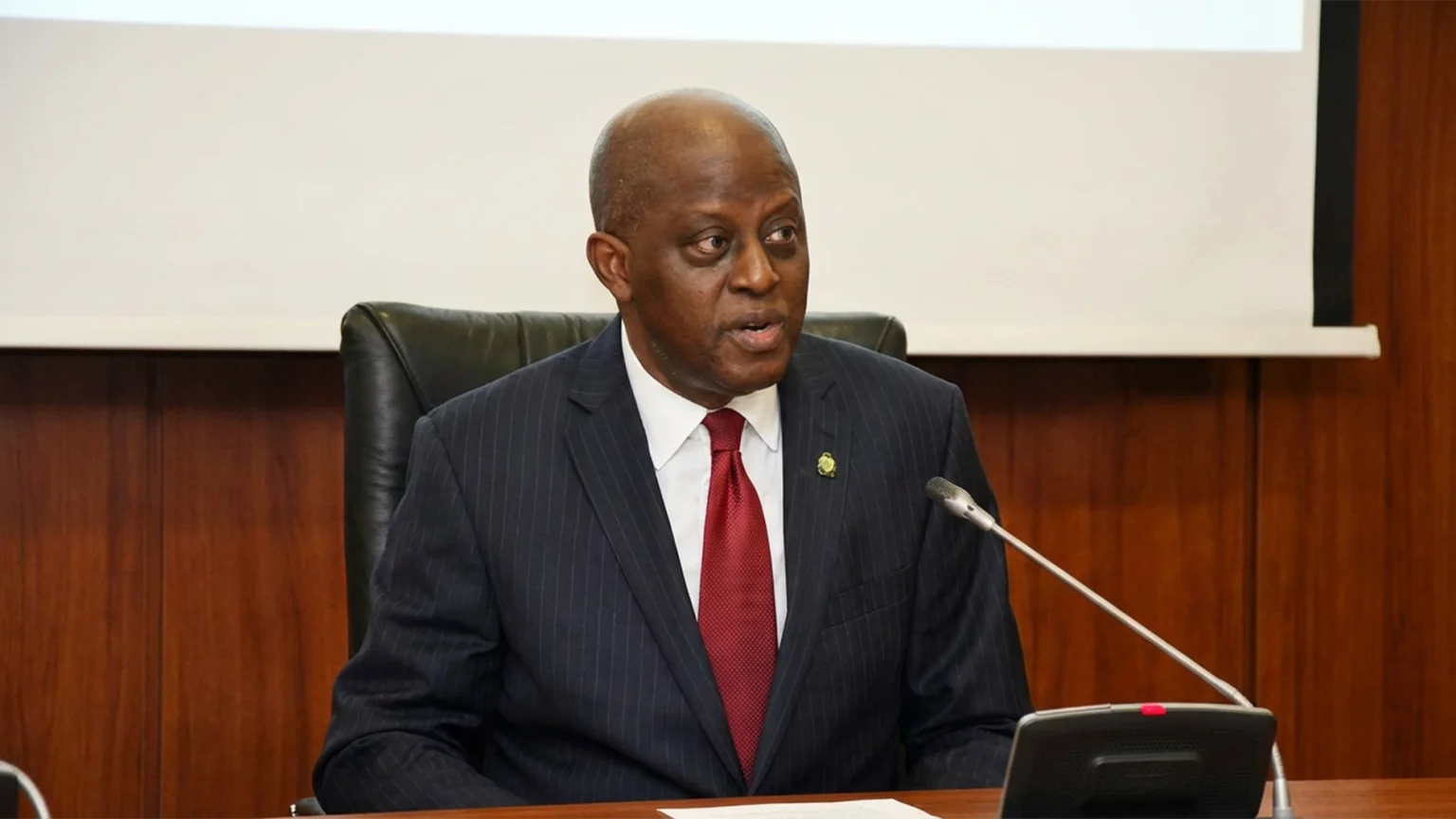
CBN Governor Olayemi Cardoso said the recapitalisation has reinforced the resilience of the banking sector, positioning it to better absorb shocks and support economic growth. He added that banks will now operate under a stricter risk-based supervisory regime, including mandatory stress testing and tighter capital buffer requirements.
At the same time, the CBN has launched an anti-money laundering and counter-terrorism financing (AML/CFT) pilot involving six virtual asset service providers—cNGN, Flutterwave, Juicyway, KoinKoin, KuCoin and Paystack.
The pilot, which began on March 31, is focused on ensuring compliance with AML, CFT and counter-proliferation financing rules. The regulator clarified that participation in the programme does not equate to licensing or formal approval.
Participating firms are required to submit monthly compliance reports, undergo assessments of their governance and transaction monitoring systems, and outline plans to implement the Financial Action Task Force (FATF) Travel Rule, which mandates sharing transaction details between financial institutions.
The CBN said the initiative will be executed in phases, with no room for additional participants at this stage.
While the bank stopped short of declaring full regulation of virtual assets, the move underscores a clear shift from a previously cautious stance to a more active supervisory role amid growing adoption of digital financial services.

