

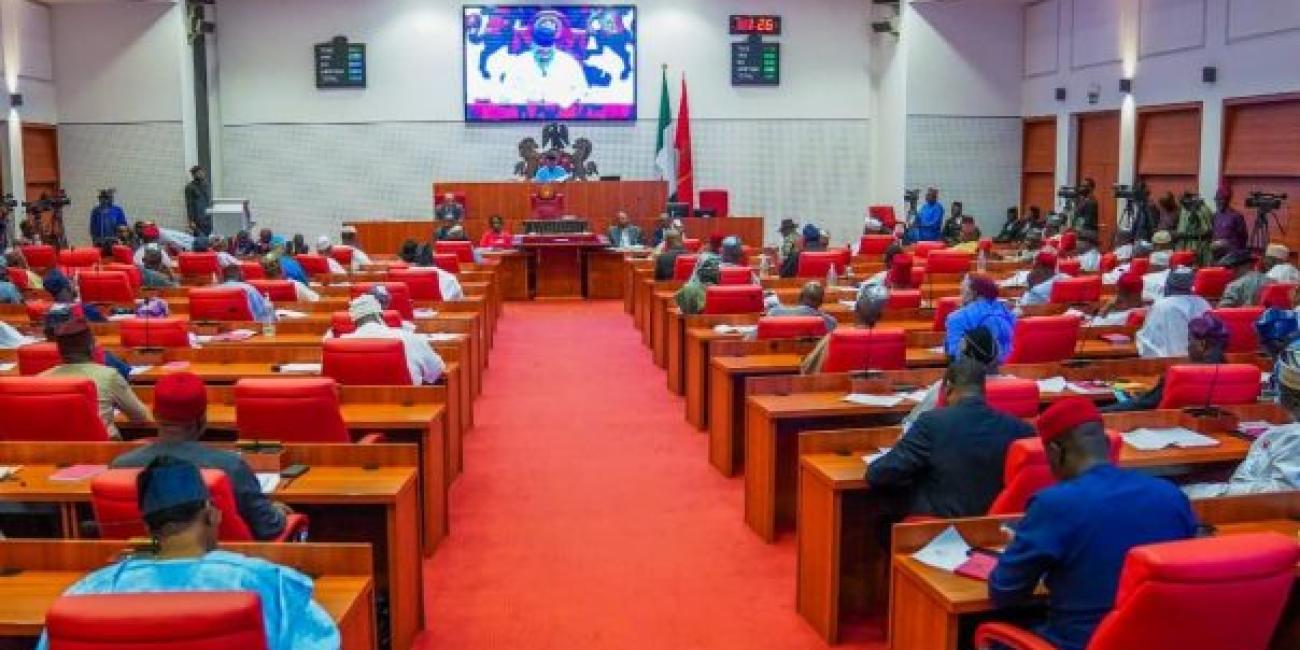
The Socio-Economic Rights and Accountability Project (SERAP) is ramping up pressure on Senate President Godswill Akpabio, calling for the immediate release of names and positions of officials allegedly linked to the staggering ₦210 trillion said to be missing from the Nigerian National Petroleum Company Limited.
In a strongly worded letter dated March 21, 2026, signed by its Deputy Director, Kolawole Oluwadare, the group didn’t stop at just naming names. It also demanded that the Senate make public key documents—ranging from audit reports and financial records to official communications and timelines of appearances by those under investigation.
For SERAP, this isn’t just about numbers—it’s about trust. The organisation insists that Nigerians deserve to see exactly how the investigation is being handled. By opening up records of proceedings, including minutes, evidence, and submissions, citizens can better judge whether the probe is credible or merely cosmetic.
At the heart of the issue are troubling discrepancies in NNPCL’s accounts between 2017 and 2023. These include about ₦103 trillion in joint venture and operational costs, alongside another ₦107 trillion tied to receivables, subsidies, and other obligations. Audit findings reportedly point to inconsistencies and missing documentation—red flags that have triggered the current Senate probe.
Yet, the process has already raised eyebrows. Some current and former NNPCL officials have reportedly failed to honour invitations or provide clear explanations, deepening concerns about accountability in the management of Nigeria’s oil wealth.
SERAP warns that any delay or lack of transparency could fuel suspicions of cover-ups and erode public confidence even further. The group has given the Senate a seven-day ultimatum to act—or risk facing legal action to force disclosure.
Ultimately, SERAP argues that the sheer scale of the alleged missing funds, combined with long-standing concerns about opacity in NNPCL, makes full transparency non-negotiable. For many Nigerians, the outcome of this probe could either restore faith in public institutions—or deepen distrust in how the nation’s most valuable resources are managed.

