


University of Ibadan, Nigeria’s first university, spent N653 million on honorarium and sitting allowances in 2024, according to its audited financial statement for the year.
A review of the document, published on the institution’s official website, also showed that N221 million was spent on refreshments and meals within the same period.
The 2024 financial report—the latest released by the university—further revealed that the institution paid N1.5 billion for electricity during the fiscal year.
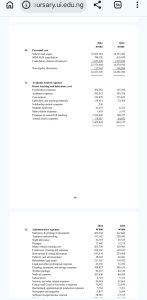
Other expenditures listed in the report include N302 million for examination expenses, N392 million for academic expenses, and N154 million for laboratory and teaching materials.
Despite these allocations, the amount spent on honorarium and sitting allowances was higher than several core academic-related expenses, highlighting a significant share of funds going toward administrative perks.
A similar spending pattern was observed in the university’s 2023 financial statement.
That year, the institution spent N358 million on non-academic costs, including refreshments, meals, and honorarium/sitting allowances—an amount that exceeded spending on some academic needs such as research and teaching materials.
In 2023, N134 million was spent on refreshments and meals, more than double the N65 million recorded in 2022. Meanwhile, N224 million went to honorarium and sitting allowances, up from N129 million in the previous year.
Combined, the N358 million spent on refreshments, meals, and honorarium/sitting allowances surpassed the N345 million allocated to academic expenses that year. It also exceeded the N23 million used for laboratory and teaching materials and the N168 million devoted to research and other teaching-related activities.
The figures suggest that the university has continued to devote substantial resources to administrative allowances and staff-related perks, while spending on core academic needs remains comparatively lower.
The disclosures have raised questions about the institution’s budget priorities and the balance between administrative costs and its core educational mandate.

