

Eight months after the deadly Yelwata massacre in Benue State, controversy has emerged over efforts to rebuild the devastated community following a public disagreement between the Benue State Government and a United States-based missionary over a proposed ₦300 million market project.
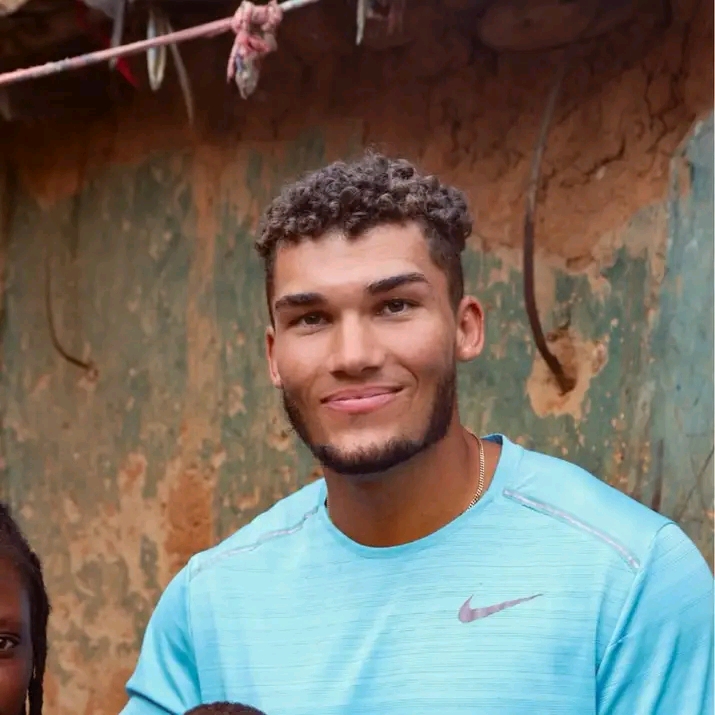
Hobnob News Nigeria gathered that the dispute arose after the missionary, Mr. Alex Barbir , who has been actively involved in rebuilding homes destroyed during the attack, raised concerns about the cost and transparency of the planned market project. Babir described the ₦300 million estimate as excessive and unjustifiable for a rural community like Yelwata.
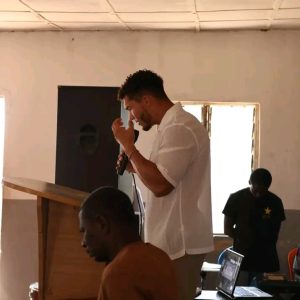
Babir, who said he has so far rebuilt about 38 houses for displaced residents, explained that he was initially stopped from constructing a market after being informed that the state government already had plans to undertake the project. According to him, despite assurances that official designs would be shared with him, nothing was provided for several weeks.
He said the situation later changed when he was shown a video presentation of what he described as a ₦300 million market proposal, a figure he said did not align with the scale and needs of the community.
“What market in any village is worth ₦300 million?” Babir asked, insisting that similar facilities could be constructed at a fraction of the cost without compromising quality.
The missionary also accused state humanitarian agencies of mismanaging and diverting funds meant for victims of violent attacks, alleging that donations intended for displaced persons were not reaching those most in need.
The Benue State Government has, however, dismissed the allegations, describing them as misleading and inaccurate. The State Commissioner for Humanitarian and Poverty Reduction said the government never requested funds from the missionary to build the market and stressed that the ₦300 million figure cited by Babir did not originate from the ministry.
According to the commissioner, the state operates a structured resettlement model and would not permit ad-hoc interventions that fail to meet minimum standards for displaced persons.
“We cannot return people to the same conditions under which they were displaced,” the commissioner said, adding that the government reserves the right to determine how and where resettlement projects are executed.
He further disclosed that the Benue State Government, working with development partners including the United Nations High Commissioner for Refugees (UNHCR), is rebuilding critical infrastructure in Yelwata, including a healthcare facility estimated to cost over ₦300 million.
Despite the disagreement, the government acknowledged Babir’s contributions to rebuilding homes and maintaining engagement with the affected community.
Meanwhile, community leaders and survivors have appealed for greater transparency, speed, and coordination in the reconstruction process, warning that prolonged delays and public disputes could deepen the trauma of residents still struggling to recover from the massacre.

