

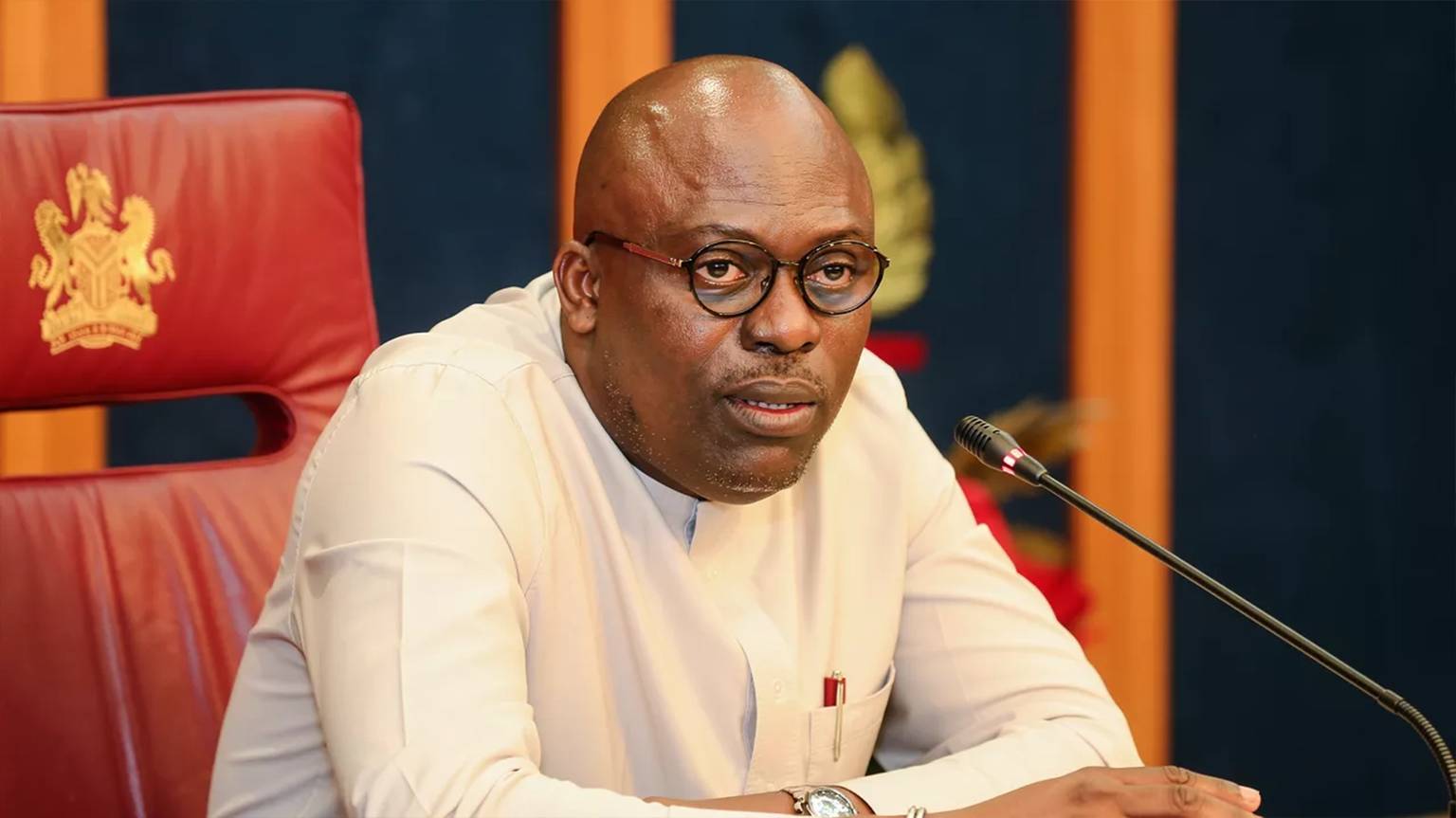
The push to impeach Rivers State Governor Siminalayi Fubara appeared to hit a pause on Thursday after the House of Assembly failed to reconvene when its seven-day ultimatum expired, leaving residents and political observers uncertain about what comes next.
Lawmakers, who had earlier vowed to move forward with impeachment proceedings against the governor and his deputy, Prof. Ngozi Odu, did not meet as scheduled, signalling a possible slowdown in the tense face-off between the legislature and the executive arm of government.
On January 8, 2026, the Assembly, led by Speaker Martins Amaewhule, accused the governor and his deputy of alleged gross misconduct, including the demolition of the Assembly complex and spending without legislative approval. Relying on Section 188 of the 1999 Constitution, the House adjourned plenary to January 15, raising expectations that decisive action would follow.
But when the day arrived, there was no sign of legislative activity. The Assembly complex remained locked, with security personnel guarding the entrance. The Chairman of the House Committee on Information, Petitions and Complaints, Enemi George, had earlier informed journalists that the lawmakers would not sit.
The silence from the Assembly came amid growing public anticipation, as many residents waited anxiously for updates on the impeachment process after the ultimatum elapsed.
Earlier in the week, cracks had already appeared within the House. Four lawmakers—Minority Leader Sylvanus Nwankwo, Peter Abbey, Barile Nwakoh and Emilia Amadi—publicly appealed to their colleagues to suspend the impeachment move and embrace dialogue. They said the decision followed interventions from respected elders and leaders within and outside Rivers State, who urged restraint and reconciliation.
Sources also revealed that President Bola Tinubu and other influential political figures in Abuja were displeased with the impeachment attempt, a development widely believed to have contributed to the Assembly’s hesitation.
Meanwhile, Governor Fubara has continued to carry out his official duties, maintaining a studied silence on the political crisis and avoiding any public reference to the unfolding drama.

