

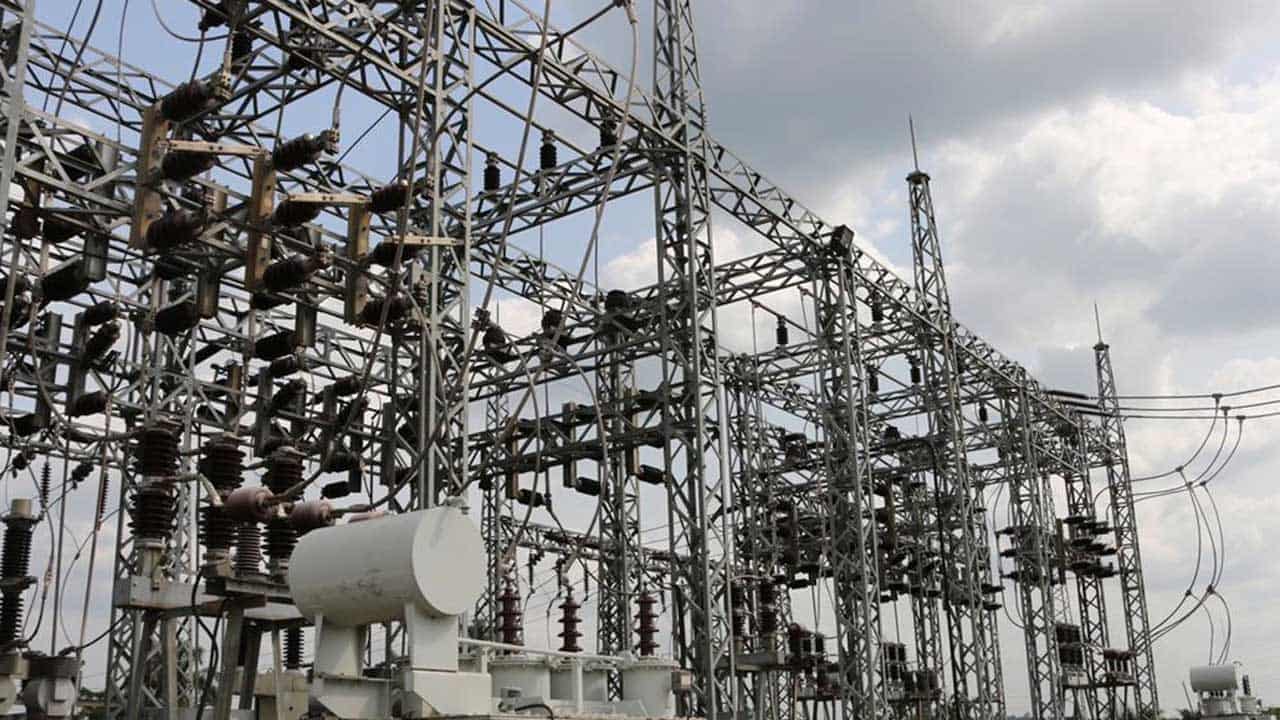
Nigeria’s shaky power system faltered yet again yesterday, plunging much of the country into darkness after electricity generation on the national grid crashed to a shocking 231.50 megawatts—barely enough to power a small town.
By early evening, real-time data showed the grid operating at one of its weakest levels in recent history, with only a handful of power plants still running. Most electricity distribution companies were left without supply, cutting off homes, businesses and essential services nationwide.
Relief came hours later. Shortly after 9 p.m., power generation began to crawl back, climbing to about 1,924MW, thanks largely to hydro and gas-fired plants such as Kainji, Jebba, Okpai and Delta. While the recovery eased the immediate crisis, it did little to calm public anger over yet another nationwide blackout.
Earlier in the day, more than 30 major power stations, including well-known plants like Egbin, Geregu, Afam and Zungeru, were either completely offline or producing no electricity at all. At the lowest point, total power sent to distribution companies was just 305MW, an amount experts say cannot meaningfully serve even one major city.
Only six DisCos—Ibadan, Abuja, Benin, Eko, Enugu and Ikeja—received limited power, while millions of customers elsewhere were left completely cut off.
Power analysts described the incident as more than a routine technical fault, calling it a near-total shutdown of Nigeria’s electricity ecosystem. They warned that a country of over 200 million people should not be running a national grid that collapses to output levels lower than many private power plants.
The latest collapse comes against the backdrop of gas shortages, huge debts owed to power producers, weak transmission lines and chronic underinvestment. Thermal plants, which form the backbone of Nigeria’s power supply, continue to struggle with unpaid bills and inconsistent gas supply, while hydro plants face their own operational limits.
Consumers, already burdened by rising electricity tariffs, expressed renewed frustration—especially those moved to higher tariff bands with promises of better service that have yet to materialise.
Experts also pointed to a deeper problem: the steady exit of large factories and manufacturers from the national grid. According to PowerUp Nigeria’s Adetayo Adegbemle, these industrial users once acted as “anchor tenants,” providing steady demand and reliable payments that helped keep the system stable.
“We’ve allowed the biggest users to walk away,” he said. “Now households are carrying the cost of sustaining the grid, while industries generate their own power at a much higher cost.”
Energy analysts warn that unless big industries are encouraged back onto the grid, and serious investments are made across generation, transmission and distribution, grid collapses will remain a regular feature of Nigerian life.
As one expert put it, yesterday’s blackout was not an exception—it was a reminder of how fragile the system has become.

