

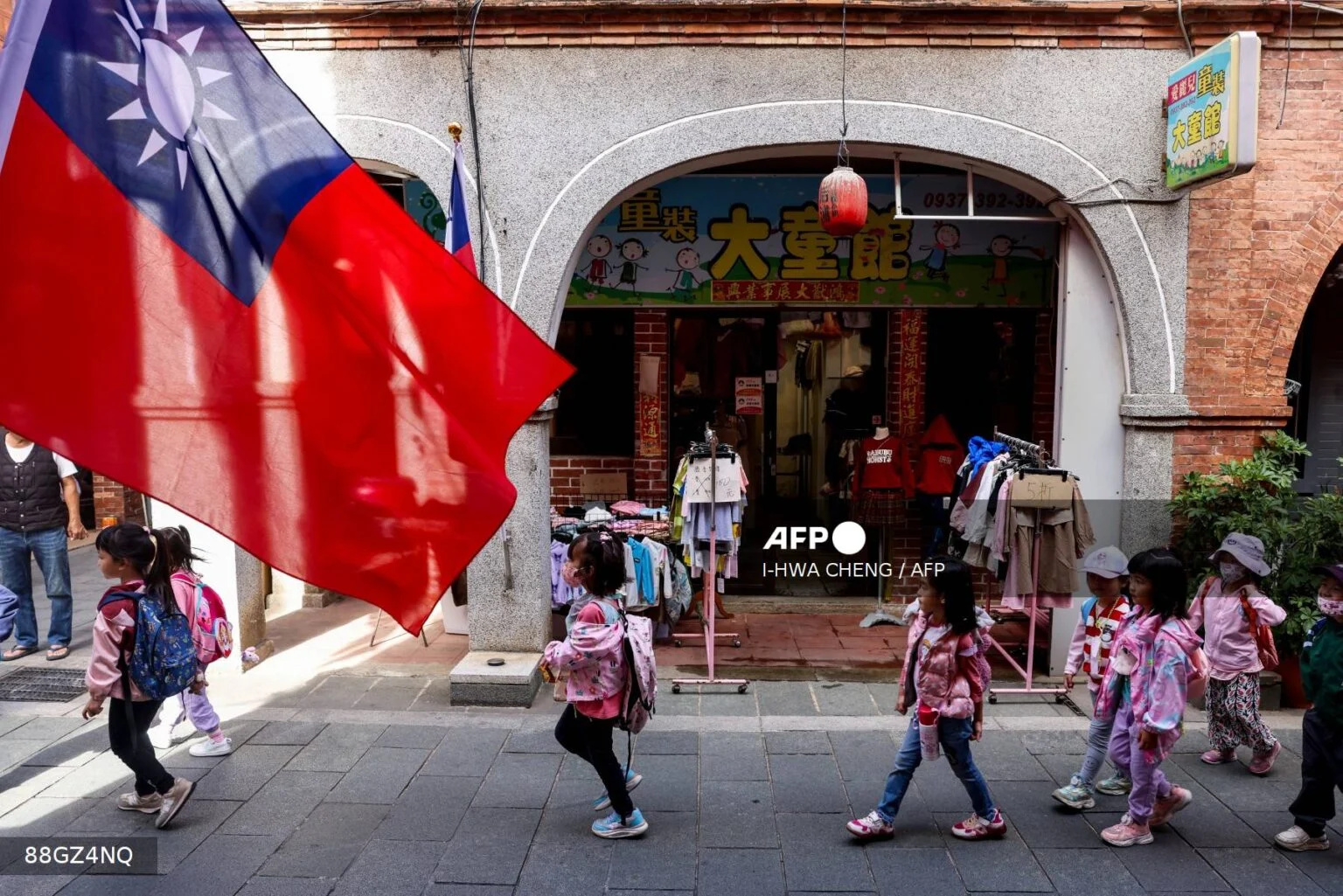
The United States has approved an arms sales package valued at approximately $11 billion for Taiwan, authorities in Taipei announced on Thursday, marking one of the largest military deals between Washington and the self-governing island in recent years, hobnob news reports.
The proposed sale, which is subject to approval by the US Congress, includes advanced military hardware such as HIMARS rocket systems, howitzers, anti-tank missiles, drones, and other defence equipment, according to Taiwan’s Ministry of Foreign Affairs.
Describing the development as a reaffirmation of Washington’s support, the ministry said the approval underscores the United States’ “firm commitment to Taiwan’s security” and represents the second arms sale to the island since President Donald Trump began his second term in office earlier this year.
Taiwan has steadily increased defence spending amid sustained military pressure from China, which claims the island as part of its territory under the one-China principle. Although the United States remains Taiwan’s largest arms supplier, recent comments by President Trump had raised questions about the extent of Washington’s future defence commitments, prompting Taipei to intensify its own security investments.
The latest arms package follows a $330 million sale of spare parts approved in November and is expected to gain swift congressional backing, given strong bipartisan support in the US for Taiwan’s defence.
China reacted strongly to the announcement, condemning the move and warning of countermeasures. A spokesperson for China’s foreign ministry urged the United States to adhere to the one-China principle and to “immediately stop dangerous actions of arming Taiwan,” adding that Beijing would take “resolute and forceful measures” to safeguard its sovereignty.
Historically, the scale of the newly approved package rivals the $18 billion arms authorisation under former US President George W. Bush in 2001, which was later reduced. During Trump’s first term, the United States approved arms sales worth about $10 billion to Taiwan, including a major deal for fighter jets.
Taiwan’s Ministry of National Defence said the latest sale would enhance the island’s ability to build “robust deterrence capabilities” in the face of mounting regional tensions. The government has pledged to raise defence spending to more than three per cent of GDP next year and up to five per cent by 2030, alongside seeking special funding to strengthen air defence systems and ammunition production.
Meanwhile, tensions in the Taiwan Strait remain high. Taipei reported increased Chinese military activity around the island, including the deployment of dozens of aircraft and naval vessels within a 24-hour period, as well as the recent transit of China’s newest aircraft carrier through the strait.
The arms sale highlights the continued strategic rivalry between Washington and Beijing, with Taiwan remaining a central flashpoint in US–China relations.

