

• Anxiety as Benin faces ECOWAS’ sixth coup attempt
• FG, ECOWAS condemn plot as backward, unacceptable
• Experts warn that weak governance fuels recurring coups
A combined military operation involving the Nigerian Air Force (NAF), Benin’s army, and French forces yesterday thwarted an attempted coup in the increasingly unstable Sahel region.
Gunfire erupted early in the morning near President Patrice Talon’s residence after renegade soldiers announced they had taken control of the country. A swift counter-operation by pro-democracy forces pushed back the mutineers in Cotonou.
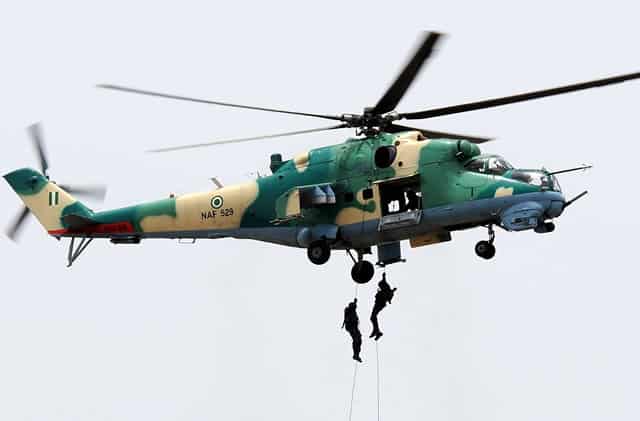
The Guardian gathered that NAF led the strike, deploying two fighter jets from Lagos, supported by what appeared to be French military assets. By evening, Benin’s government confirmed the coup attempt had been contained.
Interior Minister Alassane Seidou, in a televised address, said the mutiny was carried out by “a small group of soldiers” seeking to destabilise state institutions, but loyal troops regained control. A presidential adviser confirmed President Talon was safe. Later in the day, loud explosions—believed to be airstrikes—were heard in Cotonou.
The mutineers, led by Lt. Col. Pascal Tigri, accused Talon of poor handling of insecurity in northern Benin, where troops have suffered casualties amid jihadist attacks linked to ISIS and al-Qaeda. They also condemned cuts to healthcare services, tax increases, and tightening of political space.
Flight data earlier showed three aircraft entering Benin’s airspace from Nigeria; two later returned to Lagos, with one heading toward Kainji airbase. A French military aircraft was also seen circling Cotonou, though French diplomats denied Talon had taken refuge in France’s embassy.
Talon, 67, a close Western ally, is scheduled to leave office next year after completing his second term, with elections set for April.
NAF officials stressed that the operation complied with ECOWAS protocols, was intelligence-driven, and aimed at preventing the coup from spreading or threatening Nigeria’s borders.
Fresh worries over rising coups in West Africa
The foiled plot has intensified concerns over democratic decline in the region, especially as Nigeria finds itself surrounded by military-led governments. Despite the failed attempt, many see it as another alarming blow to civilian rule in ECOWAS.
Nigeria’s Foreign Affairs Ministry condemned the incident as a “retrogressive assault on democracy,” insisting that any unconstitutional seizure of power undermines regional stability.
Since Mali’s 2020 coup, Guinea (2021), Burkina Faso (2022), Niger (2023), Guinea-Bissau (2025), and now Benin have faced similar threats—making this the sixth attempted overthrow in five years. Africa has recorded 10 successful coups within the same period.
Security experts warn that while citizens blame elected leaders for poor governance, insurgency and widespread insecurity have also overwhelmed both civilian and military governments.
ECOWAS, in its reaction, praised Benin for repelling the coup and pledged additional support, including the possible deployment of its standby force. Analysts note that growing security vacuums have emboldened jihadist groups such as Lakurawa, while regional security cooperation has weakened.
The Nigerian government reaffirmed its commitment to protecting democratic norms, urging Benin’s political actors to remain calm and adhere to constitutional processes.
The UN Special Representative for West Africa and the Sahel, Leonardo Santos Simão, also condemned the attempted takeover and commended authorities for restoring order.
‘Good governance is the best antidote to coups’ — Stakeholders
Prominent voices say the wave of coups underscores the urgent need for stronger democratic governance.
Senior lawyer Mike Ozekhome (SAN) argued that military rule is outdated and incapable of solving modern challenges. He said coups often begin with excitement but quickly collapse under mismanagement.
To prevent further coups, he urged governments to meet citizens’ needs, promote inclusivity, and widen political participation. He warned that shrinking the democratic space only fuels unrest.
Security analyst Sadeeq Abubakar blamed civilian leaders for eroding public trust, saying poor governance encourages soldiers to intervene. He warned that without effective constitutional democracy, more coups may occur.
Another analyst, Alli Hakeem, argued that African countries need democracy tailored to their realities, not a rigid Western model.
Dr Bello Ishaq of ICADAR said coups undermine peace, stability, and development in West Africa. He cited corruption, economic distress, weak institutions, and political desperation as major triggers. He also urged African leaders to confront foreign actors accused of backing coups for strategic gains.

