
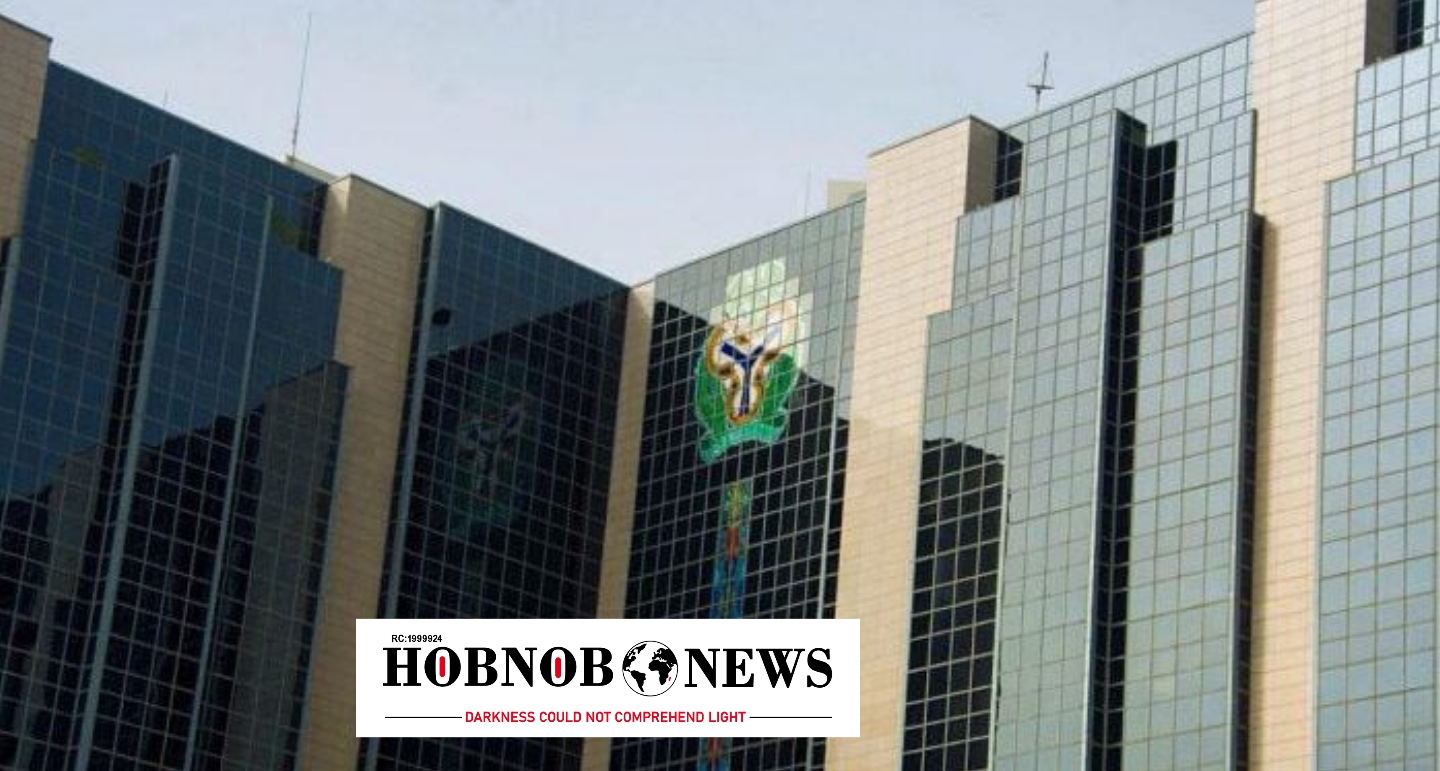
The Office of the Auditor-General of the Federation has accused the Central Bank of Nigeria, under former Governor Godwin Emefiele, of reintroducing dirty and unfit banknotes worth N29.77bn into circulation, contrary to the bank’s own Clean Note Policy.
This finding appears in the Auditor-General’s Annual Report on Non-Compliance and Internal Control Weaknesses in Ministries, Departments and Agencies for the year ending December 31, 2022. The report shows that several CBN branches issued notes already classified as Counted Audited Dirty, which are meant to be destroyed and not returned to the public.
According to the audit, the Abuja branch released the bulk of the condemned notes, amounting to N28.615bn between October and December 2022. The Lagos branch issued N970m in December, while Bauchi released N30m in April. The Jos branch issued N50m on May 16 and N100m on May 27.
The report stated that the action breached the Clean Note Policy, which mandates that only authenticated fit notes may be issued, while unfit notes must never be released by the CBN or commercial banks. Auditors linked the violation to internal control failures within the bank, warning that such actions expose the country to reputational risk and reduce the durability of currency.
In its defence, the Abuja branch said the COVID-19 pandemic and cash shortages forced it to release dirty notes. Bauchi denied issuing unfit notes. Jos claimed it acted due to military cash demands during periods of heightened insecurity. The Lagos branch said it was responding to high seasonal cash demand during Christmas. Auditors dismissed all explanations as unsatisfactory and maintained their findings.
The audit recommended that the Governor of the CBN be summoned by the Public Accounts Committees of the National Assembly. If the bank fails to justify its actions, the report advises the application of sanctions provided in the Financial Regulations for gross misconduct.
The controversy comes against the backdrop of the CBN’s naira redesign programme announced in late 2022, which triggered a national cash crisis, legal battles, and a Supreme Court ruling that ultimately extended the validity of the old notes.
The document also raised concerns about delayed destruction of unfit notes. It found that 997 boxes of N10 notes worth N99.7m, declared unfit since November 2021, were still in the vault as of October 2023. It also noted that 695 boxes of N500 notes valued at N3.475bn, processed in late 2022, remained undestroyed. In total, N3.57bn worth of condemned notes had piled up due to delays in the briquetting and disposal process. Auditors warned that this created risks of theft, loss of funds, and further mismanagement. The CBN responded that destruction was ongoing, but auditors again rejected the explanation.
These revelations intensify the scrutiny on Emefiele’s tenure. Although the audit does not personally indict him, it assigns responsibility to the management in office at the time for failing to uphold cash management standards. Emefiele is already facing multiple corruption, procurement, and foreign-exchange allocation charges before various courts in Lagos and Abuja, brought by the Economic and Financial Crimes Commission and the Office of the Attorney-General of the Federation.
Earlier public complaints had highlighted concerns about the poor quality of old naira notes returning to circulation, with bank staff and customers expressing fear that the badly damaged notes could pose health risks.

