

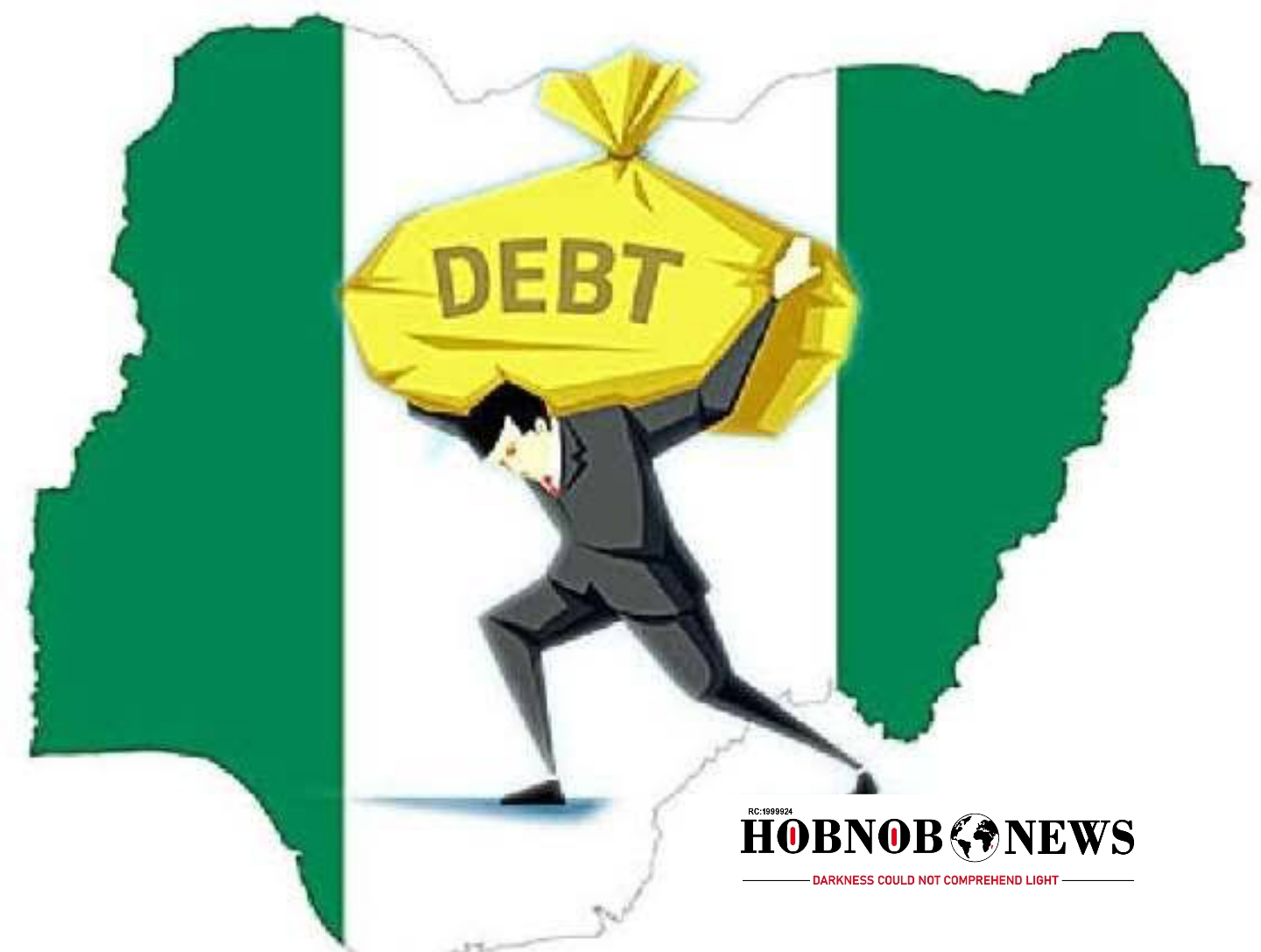
The Federal Government (FG) has borrowed N17.36 trillion from domestic and external sources in the first ten months of 2025, exceeding the prorated 10-month target of N10.9 trillion by N6.06 trillion, or 55.6 percent. The full-year borrowing ceiling under the 2025 Appropriation Act is N13.08 trillion.
Domestic borrowing has accounted for N15.8 trillion as of October, while external borrowing reached N1.56 trillion in the first half of the year. The government recently moved to raise $2.35 billion (N3.384 trillion) via a Eurobond, potentially bringing total borrowing to N20.74 trillion. Analysts estimate total borrowing could hit N23 trillion by year-end, representing 80 percent above the approved budget.
Financial experts warn that persistent overshooting amid weak revenue performance raises the risk of a debt trap, erodes investor confidence, and limits private sector credit access, which could slow economic growth, job creation, and investment.
The 2025 budget projected N54.99 trillion in expenditure against N41.91 trillion in revenue, leaving a deficit of N13.08 trillion to be financed through borrowing. Data from the Debt Management Office and Central Bank of Nigeria show N15.8 trillion borrowed domestically from January to October through Treasury Bills, FGN Bonds, Sukuk, and Savings Bonds.
Experts attribute the borrowing surge to fiscal indiscipline, overly optimistic oil revenue assumptions, and rising debt-service costs. Analysts warn that excessive domestic borrowing crowds out private-sector credit, raises borrowing costs, and threatens long-term debt sustainability. They recommend disciplined spending, aggressive non-oil revenue mobilisation, and greater reliance on longer-term external loans to reduce refinancing pressure.
Breakdown of 2025 Borrowings (10 Months)
Treasury Bills: N11.43 trillion, up 4.6% YoY
FGN Bonds: N4.042 trillion, down 22% YoY
FGN Savings Bonds: N40.19 billion, up 5.6% YoY
Sukuk Bonds: N300 billion, compared with zero in 10M’24
Without stronger fiscal and tax reforms, analysts warn, Nigeria risks a cycle of debt dependence that could undermine investor confidence, fiscal consolidation, and economic growth.

