
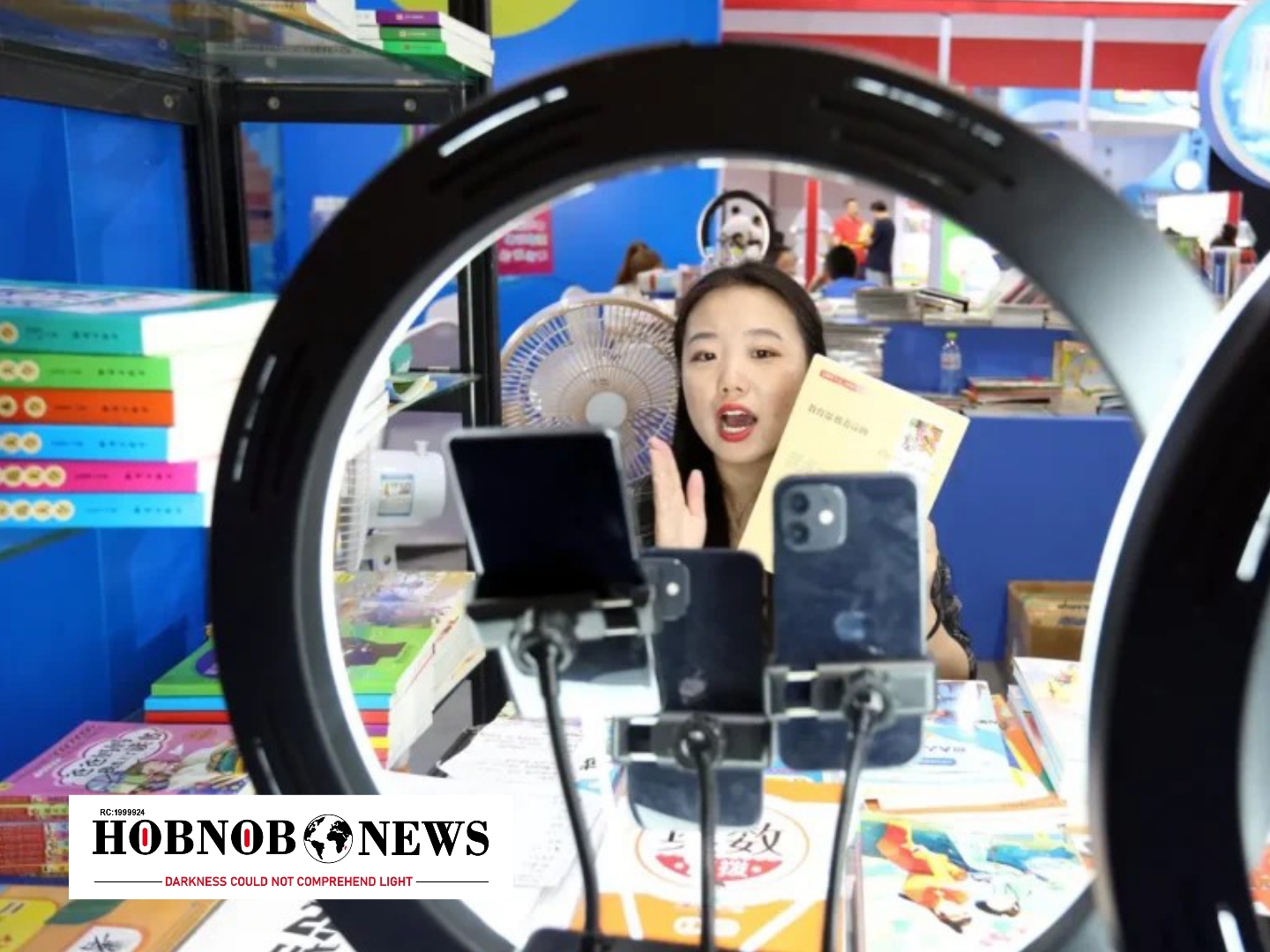
China has implemented a new law requiring social media influencers to obtain verified professional qualifications before discussing sensitive fields such as medicine, law, education, or finance, according to IOL. The measure, which took effect on Saturday, was introduced by the Cyberspace Administration of China (CAC) to combat online misinformation and promote accountability in digital spaces.
Under the regulation, influencers must present accredited degrees, licenses, or certifications to validate their expertise before producing content in regulated areas. Platforms like Douyin, Bilibili, and Weibo are now obligated to verify these credentials and ensure that posts include clear citations, disclaimers, and transparent sourcing.
The CAC added that creators must indicate when their content draws from research or reports, or when it includes dramatized or AI-generated elements. Social media platforms are also required to educate users about their legal and ethical obligations when sharing or publishing material.
The law bans online advertisements for medical services, supplements, and health products, targeting covert marketing disguised as informational content. It further directs platforms to enhance oversight systems that prevent deceptive claims and misleading advice in fields affecting public welfare.
Authorities said the policy follows nationwide campaigns against misinformation and online scams, aiming to create what they call “a clean and trustworthy online environment” rooted in factual and responsible communication.
Although the regulation focuses on professional sectors, it reflects Beijing’s growing recognition of the influence that online personalities have on public perception and consumer choices. Non-compliant platforms could face sanctions or increased scrutiny from regulators.
Experts describe the legislation as one of China’s most extensive frameworks for standardizing influencer activity, potentially serving as a blueprint for future digital governance efforts.
According to the CAC, the intention is not to restrict creativity but to ensure that “qualified individuals share professional knowledge responsibly” in matters with significant social impact. The move aligns with global calls for accountability, as misinformation continues to endanger lives and livelihoods.
Influencers are increasingly viewed not just as entertainers but as opinion leaders whose words carry real-world consequences. When creative expression crosses into professional guidance, accuracy becomes a duty, not a choice.

