

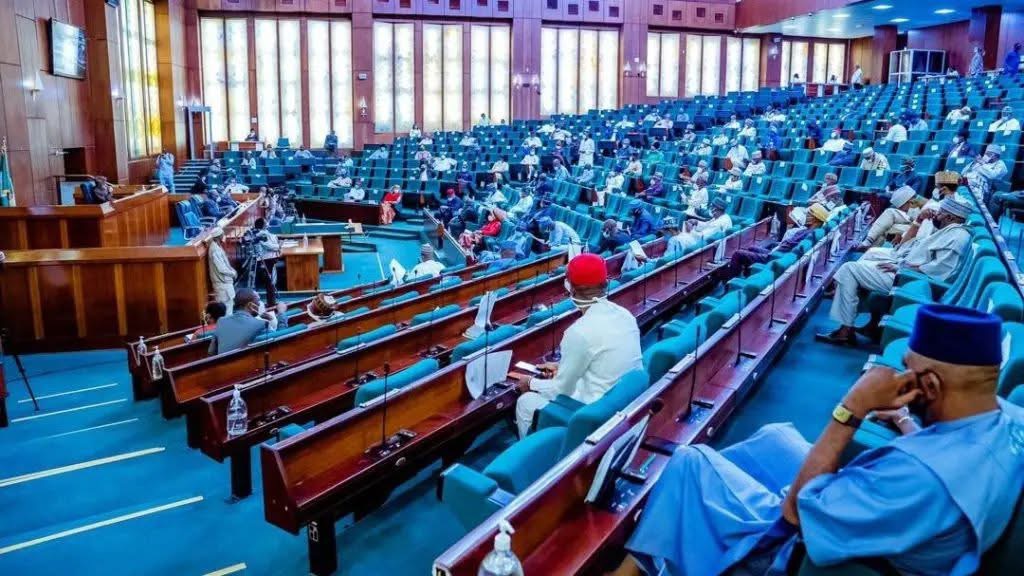
The House of Representatives has passed for second reading a bill seeking to establish the National Independent Project and Monitoring Agency (NIPMA), aimed at promoting transparency, accountability, and effective monitoring of public projects across Nigeria.
Sponsored by Hon. Chinedu Emeka Martins, the bill proposes the creation of a statutory agency that will conduct independent oversight of federally funded projects to curb corruption, eliminate project abandonment, and ensure timely and quality delivery.
According to Martins, the bill addresses the urgent need for an impartial mechanism to monitor, track, and report on the status of capital projects executed by Ministries, Departments, and Agencies (MDAs). He emphasized that the current model, where MDAs both award and monitor contracts, has led to inefficiency, poor execution, and widespread abandonment of projects.
“You will agree with me that, year after year, the President of the Federal Republic of Nigeria presents an Appropriation Bill to this Honourable House, detailing capital expenditures running into trillions of naira for the execution of developmental projects,” Martins stated during the lead debate. “However, the reality on the ground is disheartening. Across the country, we see abandoned, substandard, or poorly executed projects — a direct result of the lack of independent and transparent monitoring.”
Martins argued that NIPMA would operate independently to detect inflated project costs, ensure value for money, and curb contractor malpractices. “This model of self-supervision, where MDAs monitor their own projects, is inherently defective. As the saying goes, you cannot be a judge in your own case,” he said.
If passed into law, NIPMA will not only improve project outcomes but also save the nation billions of naira annually. It will complement existing institutions such as the Bureau of Public Procurement and the Office of the Auditor-General without conflicting with their mandates.
The proposed agency is also expected to generate employment for engineers, auditors, quantity surveyors, and data analysts, while revitalizing local economies in project-hosting communities.
“Citizens will regain trust in government when they see that public funds are being transparently and judiciously utilized,” Martins said. “This Bill is timely, necessary, and ultimately in the best interest of the Nigerian people.”
The bill has now moved to the committee stage for further legislative action.

