

Nigeria’s basic education sector is facing a deepening crisis as only 915,913 teachers are currently available to serve over 31.7 million pupils in primary schools across the country, according to data obtained from the Universal Basic Education Commission (UBEC).
The data, which includes both public and private primary schools, paints a stark picture of an overburdened workforce grappling with widespread shortages, especially in rural communities, where education inequality is most severe.
The figure spans 131,377 primary schools, with 65,529 being public and 65,848 privately owned. While public primary schools account for 24.2 million pupils, private schools serve approximately 7.4 million.
This shortage comes amid complaints by teachers over non-payment of minimum wage, poor working conditions, and insufficient government support. A recent case is the strike action by teachers in the Federal Capital Territory, who downed tools following the failure of area councils to implement the new minimum wage approved by President Bola Tinubu.
According to the Teachers Registration Council of Nigeria (TRCN), the situation is exacerbated by a lack of recruitment, especially in the last five years. From 2019 to 2024, 18 states reportedly failed to employ new teachers, deepening the gap in teacher-student ratios nationwide.
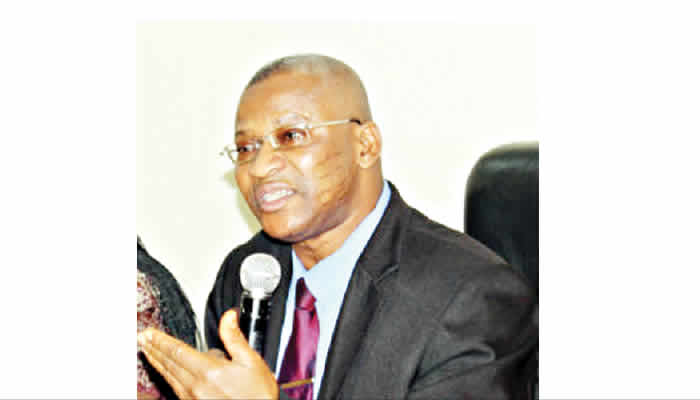
The former Registrar of TRCN, Professor Josiah Ajiboye, while still in office, warned that the continuous rise in the number of school-age children without a corresponding increase in trained teachers poses a critical threat to Nigeria’s educational future.
“With a growing population of schoolchildren and insufficient recruitment of new teachers, the teacher-pupil ratio in many schools has become unfavourable,” Prof. Ajiboye said.
This alarming trend has led to a condition described by education experts as “learning poverty”—a situation where children are unable to read and understand a simple sentence by age 10.
National Union of Teachers (NUT) President, Titus Amba, expressed grave concern over the state of manpower in schools, especially in underserved communities.
“Some schools are barely managed by one or two teachers, leaving pupils to suffer learning poverty with a bleak future ahead,” Amba noted.
He called on governments at all levels to urgently recruit, train, and support qualified teachers as part of a broader strategy to ensure equitable and sustainable education.
Education stakeholders continue to advocate for the full implementation of policies that guarantee access to qualified teachers, especially in remote and disadvantaged areas, to reverse the tide of Nigeria’s growing educational crisis.

