

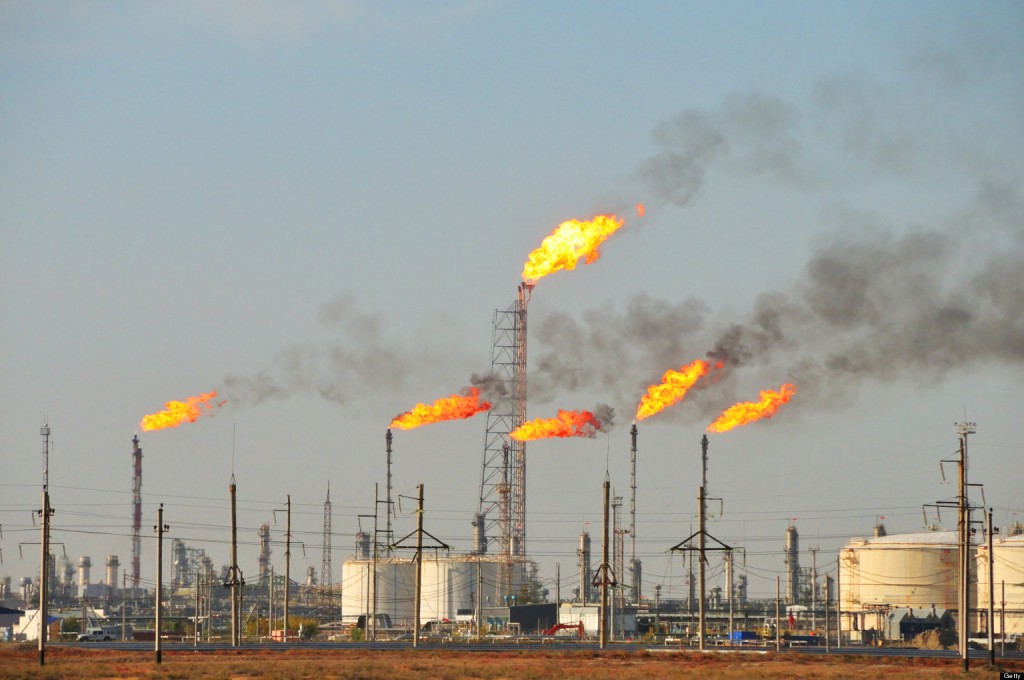
In a decisive move to tackle environmental challenges and drive sustainable energy development, the Nigerian Upstream Petroleum Regulatory Commission (NUPRC) has announced a strategic roadmap to end routine gas flaring by 2030 and cut methane emissions by 60% by 2031.
The Commission’s Chief Executive, Gbenga Komolafe, disclosed this during a keynote address at the 24th Nigeria Oil and Gas Energy Week Conference 2025 in Abuja. The session, themed “Positioning Nigeria’s Upstream Oil & Gas for Energy Security, Sustainability and Economic Resilience,” outlined Nigeria’s gas-centric transition strategy as a pillar for national growth.
Komolafe noted that the plan is anchored on initiatives such as the Decade of Gas, the Nigeria Gas Flare Commercialisation Programme, and the Presidential Compressed Natural Gas (CNG) Initiative. He said these programmes are expected to unlock significant investment opportunities, stimulate industrial growth, and create thousands of green jobs across the country.
“Nigeria is not just reducing flaring. We are monetising our vast gas reserves while actively developing LNG capacity, deploying floating infrastructure, and building cross-border pipelines to power Africa’s industrial transformation,” Komolafe said.
He added that the Commission has also adopted a comprehensive Upstream Decarbonisation Framework, which includes emissions tracking, monitoring, reporting, and verification (MRV) systems, carbon capture technologies, and enhanced access to climate finance through carbon markets.
“These aren’t just environmental policies; they are new frontiers for innovation, investment, and inclusive economic growth,” he stated.
Highlighting the government’s commitment, Komolafe recalled the launch of the Decarbonisation and Energy Sustainability Forum in March 2025, with March 18 now officially recognised as Nigeria’s Upstream Decarbonisation Day—an annual event to review climate-aligned progress and knowledge exchange among stakeholders.
“We are creating a new ecosystem where emissions reduction translates into revenue, driven by carbon services like monitoring, tech deployment, and consultancy—while ensuring high standards of environmental and operational integrity,” he concluded.
The NUPRC’s energy transition strategy positions Nigeria as a leader in sustainable energy development in Africa, while also reinforcing global climate commitments.

