

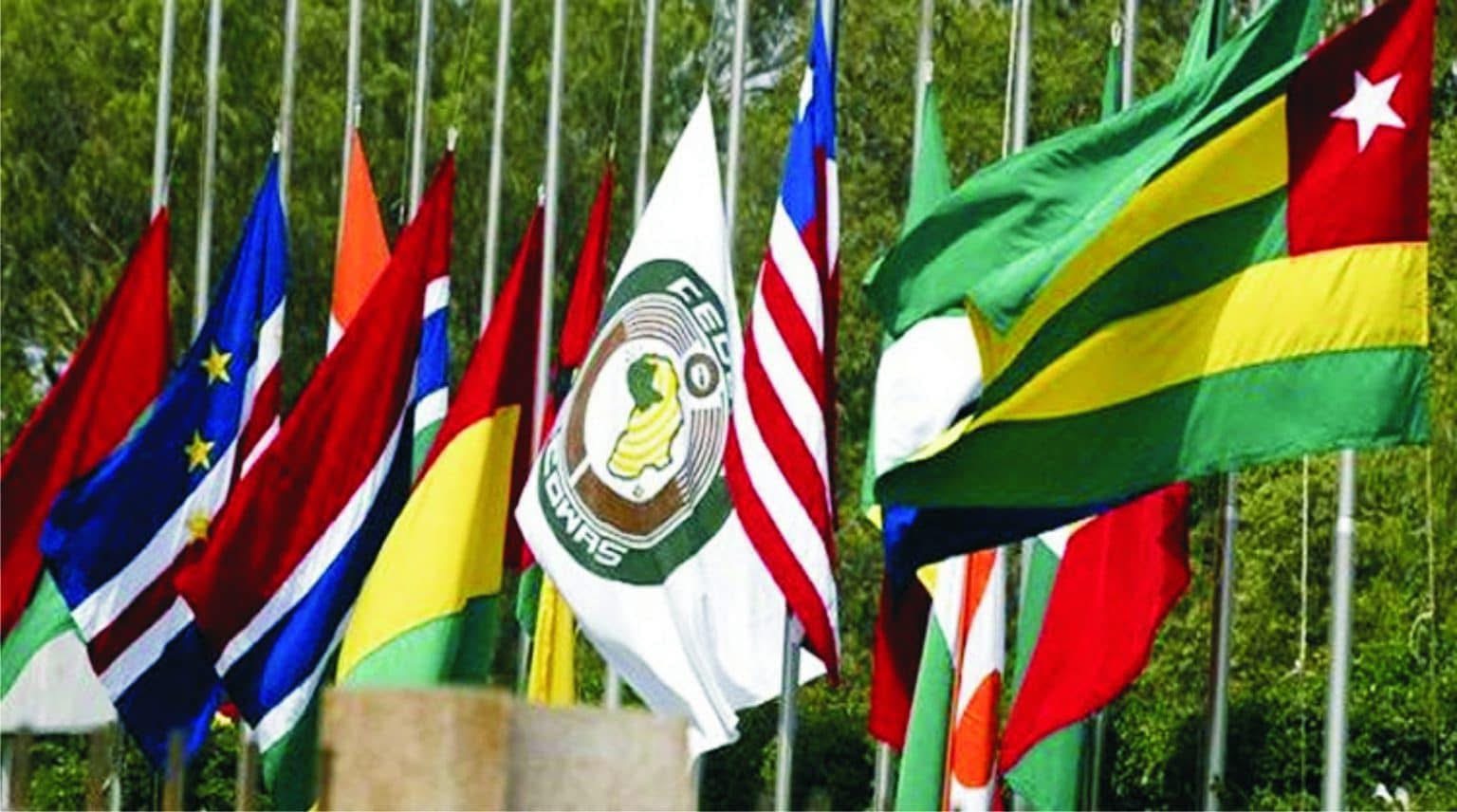
In a decisive move to prepare West Africa for the age of Artificial Intelligence (AI), the ECOWAS Parliament has called for a comprehensive legal framework to regulate the development and application of AI technologies across the subregion.
The appeal was made by Speaker of the ECOWAS Parliament, Hadja Ibrahima, during a delocalised joint committee session held in Dakar, Senegal, focused on education, science, and digital innovation. Themed “Prioritising Education Technology and Innovation in the ECOWAS Region”, the high-level meeting gathered regional lawmakers, technocrats, and policymakers to discuss digital transformation in education.
AI Must Be Governed, Not Just Adopted
Represented by Second Deputy Speaker, Adjaratou Coulibaly, Ibrahima emphasized the urgent need to embed AI regulation within the ECOWAS legal framework, warning that innovation without structure could threaten educational equity and integrity.
“Digital transformation in education must be guided by strong policies. AI has the power to transform learning, but we must ensure it serves all and leaves no one behind,” she stated.
She added that while ECOWAS nations have made progress, challenges such as poor infrastructure, digital inequality, and slow tech adoption in some member states persist — hindering the region’s competitiveness in the global knowledge economy.
A Call to Humanise Digital Learning
Ibrahima urged policymakers to rethink traditional education and prioritise inclusive, AI-driven strategies that accommodate cultural diversity, protect children’s rights, and ensure access to digital tools for all.
“We must ask: What happens when AI replaces teachers? How do we humanise education in a digital future?” she posed.
She encouraged participants to deliver actionable strategies that bridge the digital divide and provide every West African child with the tools needed to thrive in a technology-driven world.
Senegal Leads by Example
Also addressing the session, Senegal’s Minister of National Education, Moustapha Guirassy, highlighted Senegal’s investment in digital learning — disclosing that 130 billion CFA has been allocated for digital education from the nation’s 1,105 billion CFA education budget.
Guirassy said Senegal is already using AI to monitor school performance, training teachers on AI applications, and introducing algorithmic literacy into secondary school curricula.
He proposed the creation of a West African Pact on AI in Education, anchored on a regional ethical charter and supported by digitised African-language educational content.
“Africa must rise not just as a consumer but as a creator and regulator of AI. This is how we reclaim digital sovereignty,” Guirassy declared.
Toward a Digitally Inclusive ECOWAS
The Dakar session builds on the 2003 ECOWAS Protocol on Education and Training, aiming to harmonise educational standards across member states and promote regional excellence. Speaker Ibrahima underscored that the future of West Africa depends on building an education system that’s tech-enabled, inclusive, and ethically grounded.
With AI poised to reshape education globally, the ECOWAS Parliament is setting the stage for smart, responsible, and locally relevant AI policies that align with the aspirations of West African citizens.

