

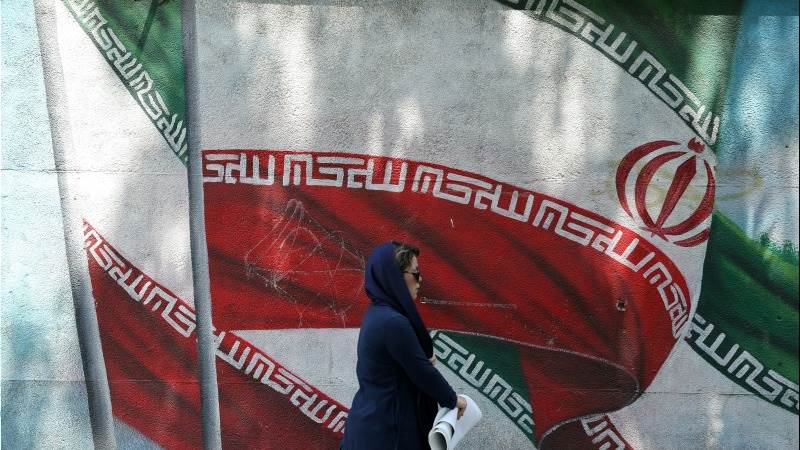
Amid heightened geopolitical tensions in the Middle East, Iran has firmly denied reports suggesting it is preparing to resume nuclear negotiations with the United States, stating there is no agreement or plan for fresh dialogue following its 12-day conflict with Israel.
The country’s Foreign Minister, Abbas Araghchi, speaking Thursday on Iranian state television, rejected claims made by Washington and labeled ongoing speculation about new talks as “unfounded.”
“I would like to state clearly that no agreement, arrangement, or conversation has been made to start new negotiations,” Araghchi said. “No plan has been set yet to start negotiations.”
His comments follow remarks by former U.S. President Donald Trump, who had earlier stated that discussions would begin next week, with his special envoy expressing optimism for a “comprehensive peace agreement.”
However, Iranian officials have shut down that narrative, further escalating tensions between the two countries following the recent military confrontations.
Iran’s Supreme Leader Speaks Out
In his first public address since the ceasefire with Israel, Supreme Leader Ayatollah Ali Khamenei accused Trump of “exaggerating” the effects of U.S. airstrikes on Iranian nuclear infrastructure.
“The American president exaggerated events in unusual ways. It turned out he needed this exaggeration,” Khamenei stated, dismissing U.S. assertions that Iran’s program had been set back by decades.
While acknowledging some damage, Iranian officials maintain that the nuclear infrastructure remains largely intact. Araghchi described the impact as “serious,” but insisted a detailed assessment was still underway.
Meanwhile, President Trump, posting on his Truth Social platform, claimed that key nuclear facilities such as the underground Fordo enrichment site were “obliterated” using American B-2 bombers and bunker-busting GBU-57 bombs. He dismissed reports suggesting Iran might have secretly relocated enriched uranium, calling them “baseless.”
Global Reactions and Nuclear Treaty Concerns
The standoff has drawn international attention. French President Emmanuel Macron called the U.S. strikes “genuinely effective” during an EU summit in Brussels but warned that the worst-case scenario would be Iran withdrawing from the global non-proliferation treaty.
In response to the strikes, Iran’s parliament passed a bill suspending cooperation with the UN nuclear watchdog, signaling a more confrontational posture. The move has raised alarms among Western diplomats and non-proliferation advocates.
Conflicting Claims of Victory
Both sides have claimed success in the aftermath of the conflict.
Israeli Prime Minister Benjamin Netanyahu declared a “historic win,” asserting that Israel had “thwarted Iran’s nuclear project.”
On the other hand, Khamenei insisted that Iran had delivered a “humiliating slap” to both Israel and the United States, portraying Iran’s retaliatory missile strikes as a symbol of resistance and resilience.
Casualty reports from the brief war are sobering: Iran’s health ministry said at least 627 civilians were killed in Israeli strikes, while Israeli authorities reported 28 deaths from Iranian missile fire.
Intelligence Discrepancies
While U.S. intelligence assessments initially suggested that the damage to Iran’s nuclear program could delay its progress by only a few months, CIA Director John Ratcliffe and Pentagon officials have maintained that key sites will require years to rebuild.
The Senate Intelligence Committee is expected to hold hearings next week to reconcile these conflicting reports and assess the true scale of impact.
Outlook
Despite mounting pressure, Iran remains defiant, emphasizing its right to peaceful nuclear energy and asserting that no talks will proceed under current circumstances. Western allies, including France and Germany, have urged restraint and called for renewed diplomacy to avoid further escalation in the region.
As tensions persist, the international community watches closely — unsure whether this standoff signals a turning point or merely a pause in an already volatile situation.

